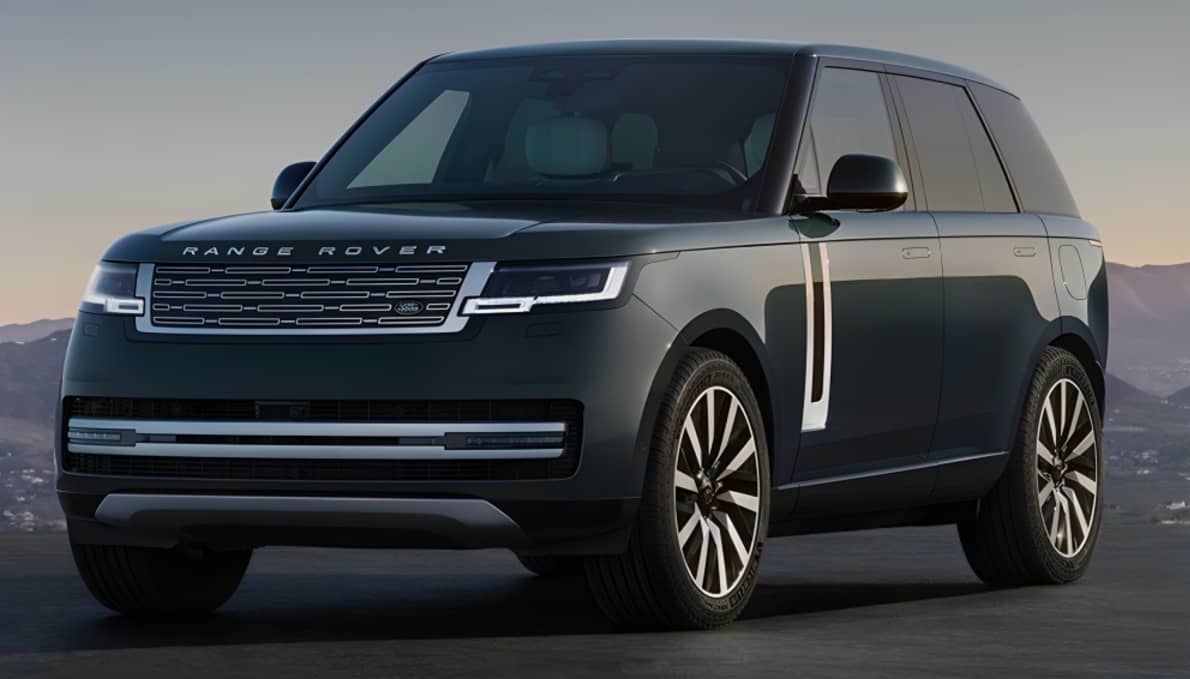
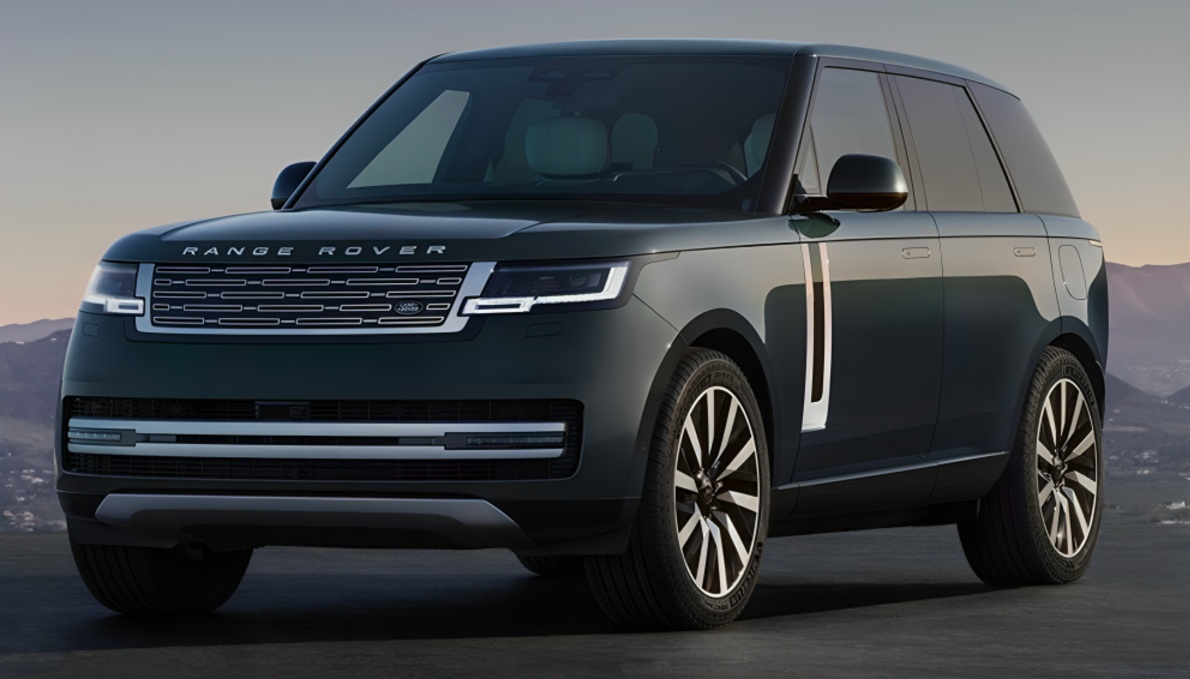
Jaguar Land Rover has opened bookings in India for the Range Rover Electric, marking the arrival of the first fully electric model under the Range Rover name. The luxury SUV has been developed as an electric alternative while retaining the design, comfort and off road capability associated with the Range Rover brand. India bookings opened on September 2, 2026, with customers required to pay a token amount of Rs 10 lakh. JLR has not yet announced the final India price, and the vehicle will be sold as a fully imported model.
The Range Rover Electric is powered by a large 118.5 kWh battery pack and a dual motor all wheel drive system. The two permanent magnet electric motors are capable of producing up to 543 hp and 850 Nm of torque. JLR has developed the electric powertrain to deliver strong acceleration while maintaining the quiet and refined driving experience expected from a luxury Range Rover. The company says the SUV can accelerate from 0 to 100 kmph in 4.5 seconds.
Range is one of the major highlights of the new electric SUV. According to JLR, the Range Rover Electric can travel up to 600 km on a single charge under the WLTP testing cycle. Autocar India reports that the company claims a real world range of around 535 km. Actual driving range can vary depending on factors such as speed, traffic, weather, road conditions, driving style and use of climate control. Therefore, the 600 km figure should be understood as a certified test cycle claim rather than a guaranteed everyday range.
Charging performance is another important feature of the Range Rover Electric. The SUV uses an 800 volt electrical architecture and supports DC fast charging at up to 350 kW. JLR says the battery can be charged from 10 percent to 80 percent in approximately 22 minutes when connected to a suitable high power charging system. The company also claims that a 10 minute charging session can add up to 220 km of WLTP range. Charging performance can depend on the charger, battery temperature, state of charge and other conditions.
The electric Range Rover has been engineered to preserve the brand’s off road capabilities. JLR says its new traction management technology can respond in as little as 50 milliseconds, helping control torque delivery across different surfaces. The system is designed to provide traction in conditions including mud, snow and loose surfaces. The vehicle can also wade through water up to 900 mm, according to the company. These capabilities are intended to ensure that the transition from an internal combustion engine to electric power does not significantly change the Range Rover's all terrain positioning.
The SUV uses an electric drive system with motors positioned across the front and rear axles. This enables all wheel drive and allows the vehicle to distribute torque according to driving conditions. JLR has also developed an Intelligent Driveline Dynamics system as part of the electric powertrain. The technology is designed to improve traction and handling by managing how torque is delivered to the wheels. These systems are particularly important for a large luxury SUV that is expected to operate both on highways and difficult terrain.
Despite the introduction of an electric powertrain, the exterior design of the Range Rover Electric remains closely related to the existing Range Rover family. The vehicle follows the brand's familiar proportions and minimalist styling approach, with changes made to accommodate the electric drivetrain. The cabin also retains the premium design expected from a Range Rover, including a large central touchscreen, digital instrumentation and high quality materials.
The new model is being offered in several configurations for the Indian market. According to Autocar India, bookings are open for the standard wheelbase Range Rover Electric in Autobiography trim, along with long wheelbase versions in SV, SV Ultra and SV Black specifications. JLR is also accepting bookings for the standard wheelbase First Edition. This gives prospective buyers several choices depending on their preferred specification and level of luxury.
The First Edition will be available in selected exterior colours, including Belgravia Green, Santorini Black and Varesine Blue, according to the booking information reported by Autocar India. The higher performance and luxury focused SV versions are expected to offer additional equipment and personalisation options compared with standard versions.
The Range Rover Electric also represents a significant development for Jaguar Land Rover. The company has spent several years developing the vehicle, with the launch taking place later than originally expected. JLR has said that its extended development and testing programme was intended to ensure that the electric model maintained the capability and refinement expected from the Range Rover brand. The company describes the vehicle as a new stage in the evolution of its flagship luxury SUV.
The vehicle will be manufactured at JLR's Solihull plant in the United Kingdom, which has a long association with Range Rover production. JLR says the electric model has undergone extensive testing designed to evaluate its performance in different environments and conditions. The company has also highlighted the development of its battery and electric drive technologies as important parts of the programme.
For Indian buyers, the Range Rover Electric enters the premium electric SUV market at a time when luxury manufacturers are expanding their electric portfolios. Its combination of long claimed range, high power, rapid charging and off road capability gives it a different positioning from smaller electric SUVs. However, the final India price will be a major factor in determining how it competes with other premium electric vehicles.
The Rs 10 lakh booking amount should not be confused with the vehicle's purchase price. It is a token amount required to reserve the vehicle, while the final ex showroom and on road prices will be announced separately. Since the SUV will be imported into India, taxes, duties, registration charges, insurance and other costs will influence the final amount paid by customers.
The Range Rover Electric also focuses on refinement. Electric motors naturally provide instant torque and lower powertrain noise compared with combustion engines. JLR says the electric Range Rover delivers near silent performance while maintaining the smooth ride and comfort associated with the brand. The absence of conventional engine noise could also make the cabin experience quieter, particularly at lower speeds.
At the same time, the large battery and luxury SUV format mean that efficiency will remain an important consideration. A vehicle's real world energy consumption can change considerably depending on its weight, speed and driving conditions. Buyers should therefore compare real world usage information and charging infrastructure availability before making a purchase decision.
The charging capability could be particularly useful for long distance travel. With a compatible 350 kW charger, the company claims that the battery can move from 10 percent to 80 percent in 22 minutes. However, such charging speeds require suitable high power charging infrastructure, which may not be available at every location. Charging times can also be slower when the battery is cold or when charging conditions limit the available power.
Another key factor is the vehicle's ability to retain Range Rover's off road identity. Rather than treating the electric model as a road focused luxury SUV, JLR has incorporated dedicated traction and torque management technologies. The company says the system can adjust torque delivery rapidly to maintain grip on different surfaces. Its claimed 900 mm water wading capability is also intended to demonstrate that electric propulsion does not prevent the vehicle from tackling challenging terrain.
The Range Rover Electric is therefore positioned as a combination of luxury, performance and electric technology. With 543 hp, 850 Nm of torque, a 118.5 kWh battery and a claimed 600 km WLTP range, it is among the most technically significant electric models from JLR. The 22 minute 10 to 80 percent charging claim further strengthens its long distance touring credentials.
The opening of bookings in India is an important step for the brand. Customers interested in the first electric Range Rover can now reserve the vehicle, although they will need to wait for the official India pricing and detailed delivery information. The initial booking availability covers multiple wheelbase and trim combinations, giving buyers access to both luxury focused and high specification versions.
Overall, the Range Rover Electric brings the brand's traditional luxury SUV formula into the electric vehicle era. It combines a large battery, dual electric motors, rapid charging and advanced traction technology with the familiar Range Rover design and premium cabin experience. The claimed 600 km WLTP range and 543 hp output are among its key specifications, while its off road technology is intended to preserve the vehicle's established identity.
As bookings begin in India, the next major details expected from JLR will be the official pricing, delivery schedule and market specific specifications. Until those details are announced, prospective buyers should treat the current range, performance and charging figures as manufacturer claims and consider the differences between laboratory test figures and everyday driving conditions.