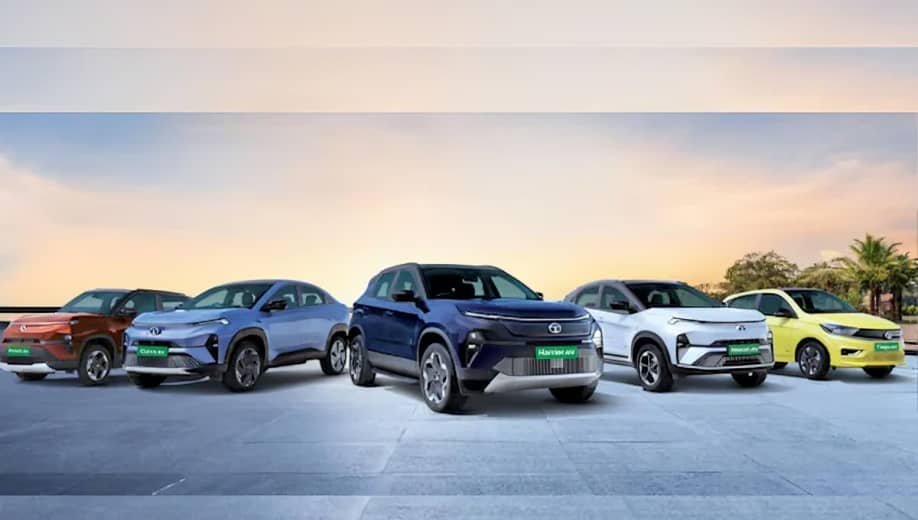
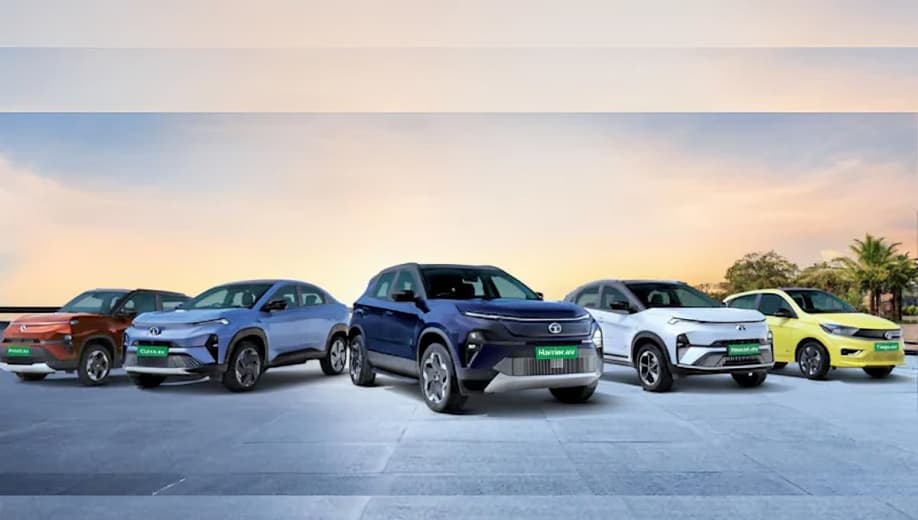
Tata Motors has achieved a significant milestone in India’s electric mobility journey by crossing cumulative sales of 2.5 lakh electric vehicles. This landmark reflects the company’s strong focus on electric mobility and its early entry into the Indian EV market. Over the past few years, Tata Motors has steadily expanded its electric vehicle portfolio, catering to a wide range of customers.
A major contributor to this achievement has been the Nexon EV, which continues to dominate the electric passenger vehicle segment in India. Since its launch, the Nexon EV has gained popularity for its combination of driving range, performance, safety features and competitive pricing. The model has played a crucial role in increasing EV awareness and adoption among Indian consumers.
In addition to the Nexon EV, Tata Motors’ other electric models have also contributed to overall sales growth. The company has focused on offering reliable products backed by a growing charging ecosystem and after-sales support. This approach has helped build confidence among first-time EV buyers, especially in urban markets.
Tata Motors has consistently highlighted its commitment to sustainable mobility as part of its long-term strategy. The company has invested in local manufacturing, battery technology and vehicle development to make electric vehicles more accessible. Government incentives under schemes promoting clean energy, along with rising fuel prices, have further supported the shift towards electric vehicles.
The expansion of charging infrastructure across major cities and highways has also played an important role in driving EV adoption. Tata Motors, along with its partners, has worked to increase the availability of public charging points, reducing range anxiety for customers. This has made electric vehicles a more practical option for daily commuting as well as longer journeys.
Industry experts view Tata Motors’ milestone as a positive sign for India’s EV ecosystem. The success of models like the Nexon EV demonstrates that electric vehicles can achieve mass-market acceptance when supported by the right combination of pricing, performance and infrastructure. It also highlights the growing consumer interest in environmentally friendly transportation options.
Looking ahead, Tata Motors is expected to further strengthen its EV lineup with new launches and technological upgrades. The company has indicated plans to introduce next-generation electric vehicles with improved range, safety and connectivity features. With increasing policy support and consumer awareness, the Indian electric vehicle market is expected to witness strong growth in the coming years.
Overall, crossing the 2.5 lakh EV sales mark underscores Tata Motors’ leadership in India’s electric vehicle segment and reinforces its role in shaping the future of sustainable mobility in the country.