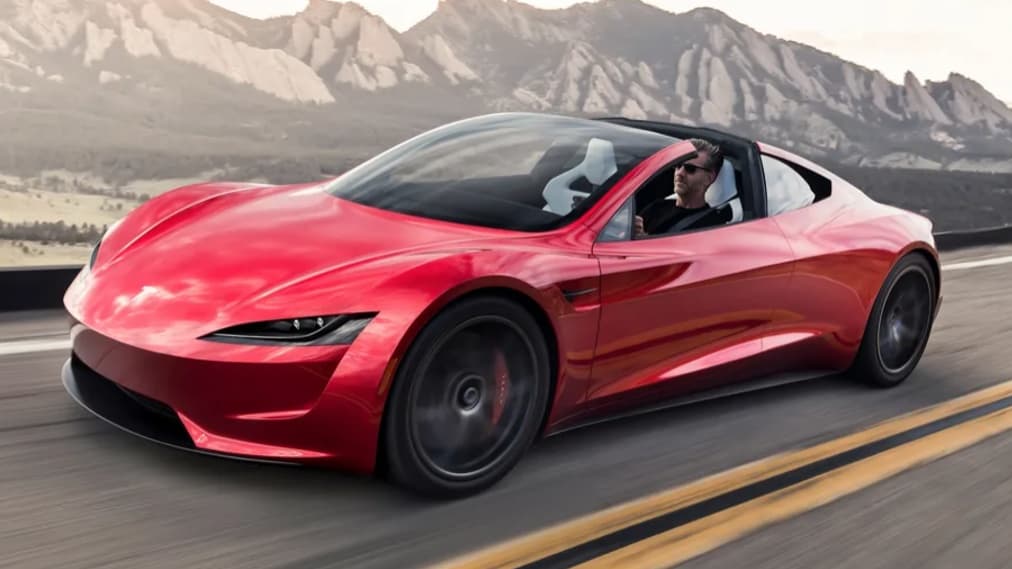
Tesla, one of the world’s most influential electric vehicle manufacturers, is reportedly preparing to phase out two of its longest-running and most recognisable models, the Model S sedan and the Model X SUV. According to multiple reports, the company may end production of both vehicles as early as the next quarter, marking a significant shift in Tesla’s product strategy.
The Model S and Model X played a crucial role in Tesla’s rise as a major force in the global electric vehicle market. Introduced in 2012 and 2015 respectively, these vehicles showcased Tesla’s early leadership in battery technology, performance, and software-driven features. Over the years, both models received several updates, including improvements in range, acceleration, and interior design. However, demand for the Model S and Model X has declined in recent years, especially as more affordable and newer models gained popularity.
Industry analysts suggest that Tesla’s decision to potentially discontinue these vehicles aligns with its evolving priorities. The company is increasingly focused on artificial intelligence, full self-driving software, and robotics. Tesla has invested heavily in developing autonomous driving systems, with its Full Self-Driving software being a central part of its long-term vision. By redirecting resources away from older vehicle platforms, Tesla may be aiming to accelerate progress in these advanced technologies.
Another key area of focus for the company is humanoid robotics. Tesla has previously showcased its Optimus humanoid robot, which is designed to perform repetitive and potentially dangerous tasks. The company believes that robotics could become a major revenue stream in the future, potentially rivaling its automotive business. Shifting attention from low-volume premium cars to AI-driven projects may allow Tesla to allocate engineering talent and capital more effectively.
From a business perspective, the Model S and Model X contribute a relatively small share of Tesla’s overall sales compared to the Model 3 and Model Y. The latter models are produced at much higher volumes and appeal to a broader consumer base. As competition in the electric vehicle market intensifies, especially from Chinese and European manufacturers, Tesla appears to be prioritising scalability, software, and next-generation technologies.
It is important to note that Tesla has not officially announced the discontinuation of the Model S and Model X. The reports are based on industry sources and production forecasts, and the company could still revise its plans. In the past, Tesla has made sudden strategic changes, including temporary production halts and unexpected product updates.
If confirmed, the move would mark the end of an era for Tesla’s original flagship vehicles. It would also highlight the company’s transition from being primarily an electric car manufacturer to positioning itself as a broader artificial intelligence and robotics company.
As the automotive industry continues to evolve, Tesla’s strategy reflects a growing belief that the future of mobility will be shaped not just by electric vehicles, but by intelligent systems, automation, and advanced robotics.