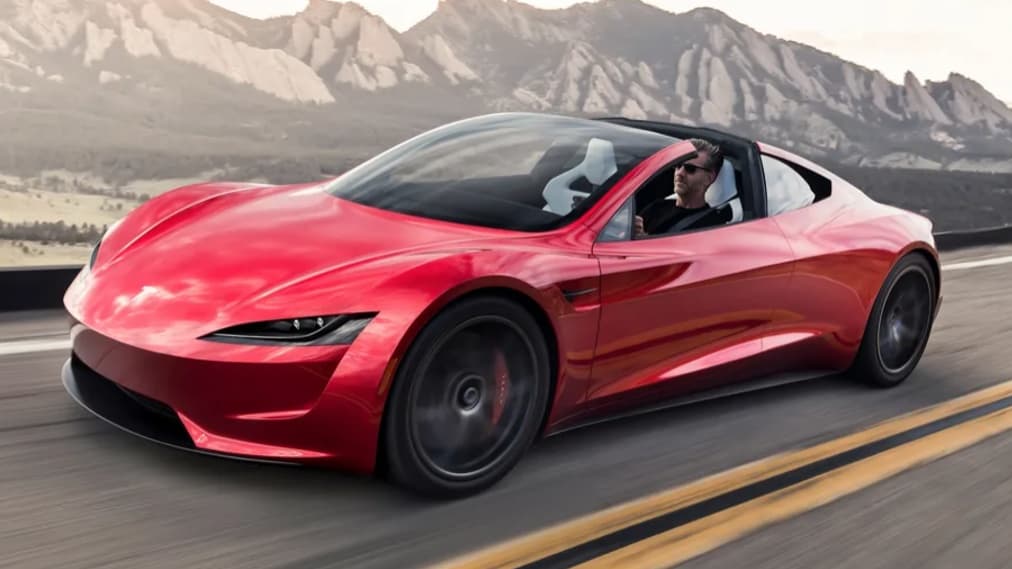
Tesla’s Robotaxi is poised to revolutionize not only the autonomous driving space but also the way electric vehicles are charged. The vehicle will feature a wireless charging system, leveraging electromagnetic induction to transfer energy from a charging pad to the car's battery. This system could streamline the charging process, making it faster and more efficient while enhancing the convenience of operating an autonomous fleet. This hands-free approach ensures that the taxis can remain operational without human intervention, reducing downtime and improving efficiency. As Tesla pushes the boundaries of electric vehicle technology, this wireless charging feature is a significant step towards realizing a fully autonomous transportation system.
Tesla’s move aligns with its broader vision of seamless, autonomous ride-hailing services, further integrating cutting-edge technologies that prioritize efficiency and sustainability.
Tesla's Robotaxi will incorporate advanced wireless charging technology, an essential feature for its fully autonomous fleet. This innovative system relies on electromagnetic induction, allowing the car to be charged simply by parking over a charging pad. This removes the need for plug-in charging stations, making it more convenient, especially for self-driving taxis that operate without human intervention.
By integrating this wireless charging system, Tesla aims to reduce downtime between rides, ensuring that the Robotaxis remain on the road for longer periods. The technology also has the potential to improve charging efficiency, paving the way for a seamless, hands-free operation.
Wireless charging is seen as a critical component of future electric vehicle infrastructure, and Tesla’s adoption of it in its Robotaxi service underscores the company's commitment to technological innovation. The Robotaxi's ability to charge autonomously supports Tesla's broader vision of sustainable transportation and self-driving vehicles.
As Tesla continues to push boundaries with its autonomous ride-hailing services, the incorporation of wireless charging represents a significant step in both convenience and operational efficiency. This system is expected to play a key role in Tesla's mission to revolutionize transportation with fully autonomous, sustainable mobility solutions.