Decline in Traditional Car Production
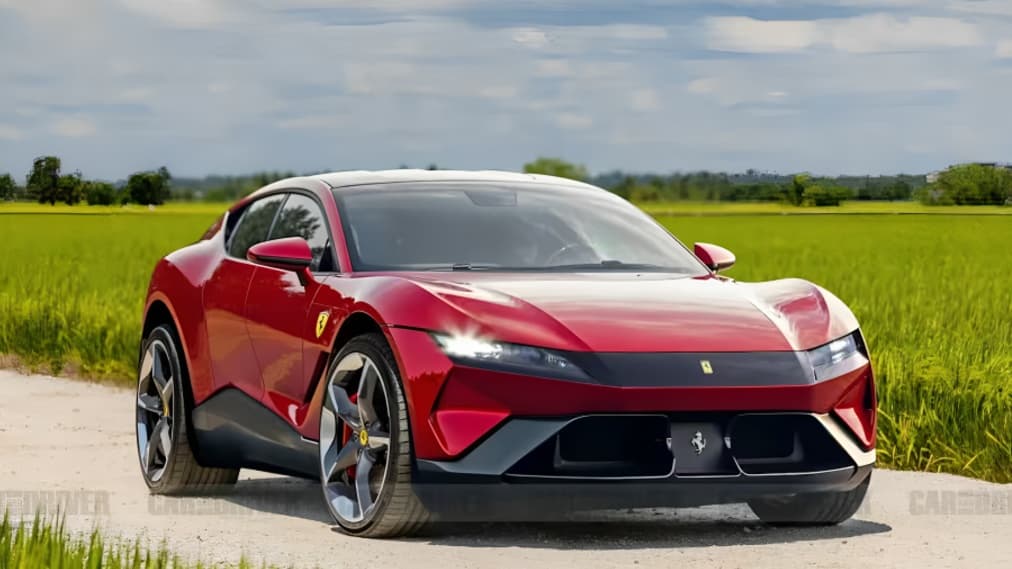
In recent years, the UK has seen a noticeable decrease in the production of traditional internal combustion engine (ICE) vehicles. Several factors contribute to this decline:
Environmental Regulations: Stringent emission standards imposed by the UK government and the European Union have forced manufacturers to rethink their production strategies. These regulations aim to reduce the carbon footprint and promote cleaner transportation alternatives.
Changing Consumer Preferences: Modern consumers are increasingly aware of the environmental impact of their choices. There is a growing demand for greener and more sustainable vehicles. This shift in consumer behavior is pushing automakers to pivot from conventional vehicles to electric and hybrid models.
Economic Factors: The economic challenges posed by Brexit and the COVID-19 pandemic have also impacted the automotive industry. Supply chain disruptions and increased production costs have made it difficult for manufacturers to maintain previous levels of car production.
Investment in Electric Vehicles
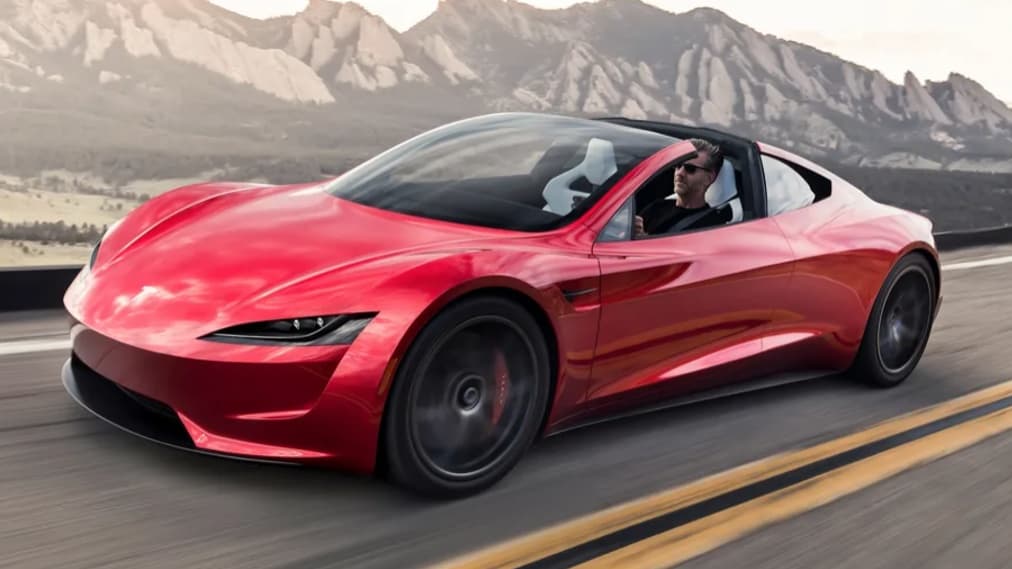
Despite the decline in traditional car production, the UK is making significant strides in the electric vehicle sector. Investment in EV technology and infrastructure is at an all-time high. Here’s how the UK is positioning itself as a leader in the EV market:
Government Support: The UK government is actively supporting the transition to electric vehicles. Incentives, subsidies, and grants are being offered to both manufacturers and consumers to promote the adoption of EVs. The government’s Road to Zero strategy aims to end the sale of new petrol and diesel cars by 2030.
Infrastructure Development: Massive investments are being made in charging infrastructure to support the growing number of electric vehicles on the road. The UK plans to increase the number of public charging points significantly, making it more convenient for EV owners to recharge their vehicles.
Technological Advancements: British automakers and tech companies are at the forefront of developing innovative EV technologies. From advanced battery systems to autonomous driving features, the UK is becoming a hub for cutting-edge automotive research and development.
Sustainability Goals: The shift towards electric vehicles is part of a broader strategy to achieve sustainability goals. The UK aims to reduce greenhouse gas emissions and promote renewable energy sources. The automotive industry’s transition to electric vehicles is a crucial component of this strategy.
Impact on the Automotive Industry
The transition from traditional car production to electric vehicles is reshaping the UK automotive industry. While there are challenges, such as the need for workforce reskilling and supply chain adjustments, the long-term benefits are substantial:
Job Creation: The growth of the EV sector is expected to create new job opportunities in manufacturing, technology, and infrastructure development. The demand for skilled workers in EV production and maintenance is on the rise.
Economic Growth: Investment in electric vehicles and related infrastructure will drive economic growth. It will attract foreign investment, boost domestic manufacturing, and create a robust market for EVs.
Environmental Benefits: The widespread adoption of electric vehicles will lead to significant reductions in air pollution and greenhouse gas emissions. This will contribute to a healthier environment and help combat climate change.
Global Leadership: By focusing on electric vehicle investment, the UK has the potential to become a global leader in the automotive industry. It can set an example for other countries to follow in the transition to sustainable transportation.
Conclusion
The decline in traditional car production in the UK is a reflection of the broader shift towards sustainable transportation. With significant investments in electric vehicles and supportive government policies, the UK is well-positioned to lead the global transition to greener and more sustainable automotive solutions. This transformation promises economic growth, job creation, and environmental benefits, paving the way for a cleaner and more sustainable future.