The United States government is reportedly preparing to implement a ban on all Chinese automotive technology beginning March 17, 2026, a move aimed at safeguarding sensitive vehicle data and protecting national security. According to officials, the proposed restrictions would prevent Chinese companies from supplying connected vehicle components, including cameras, microphones, GPS systems, and other sensors that are increasingly integrated into modern cars.
Connected vehicles, ranging from conventional cars with advanced driver-assistance systems to fully electric and autonomous models, rely heavily on sophisticated technology to deliver safety, navigation, and entertainment features. Many of these components are currently sourced from Chinese firms, which has raised concerns in Washington about potential data access by foreign entities. The proposed ban seeks to close such loopholes and limit the influence of Chinese technology in vehicles sold in the United States.
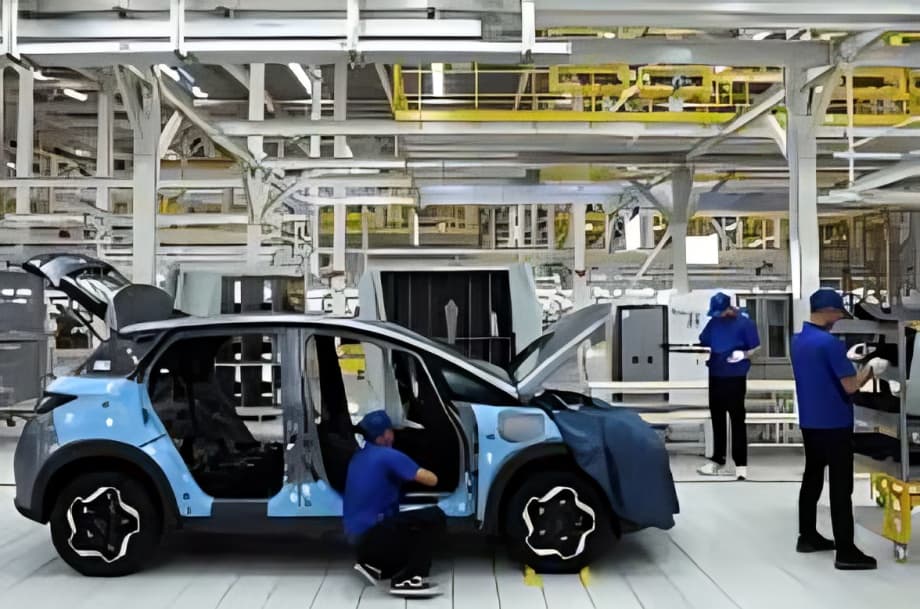
Industry analysts caution that such a ban could have significant repercussions for the global automotive market. Many car manufacturers, including US, European, and Asian brands, use Chinese-made chips and sensors in both production lines and vehicle systems. Disrupting these supply chains could result in delayed production, higher costs, and a slowdown in the rollout of connected and electric vehicles.
The ban may also influence vehicle design and technology adoption. Automakers could be forced to source components from alternative suppliers, potentially increasing reliance on domestic or non-Chinese manufacturers. While this may enhance security, it could also limit the availability of advanced features and slow down innovation, particularly in autonomous driving and infotainment systems, which often depend on high-performance sensors and AI-enabled components.
Several industry groups and associations have reportedly begun assessing the potential impact of the ban. Automakers are expected to work closely with suppliers to find compliant solutions and minimize disruption to production schedules. Analysts also suggest that the move could accelerate investment in local semiconductor and automotive tech production, as companies look to diversify supply chains and reduce dependency on Chinese technology.
From a consumer perspective, the ban could affect vehicle pricing and feature availability. Cars that currently include advanced sensor suites or AI-assisted driving capabilities may see revisions, and manufacturers might need to adjust software and hardware integrations to comply with new regulations.
The announcement reflects broader tensions between the United States and China over technology, trade, and national security. It also highlights the growing importance of cybersecurity and data protection in the automotive sector, particularly as vehicles become more connected and reliant on cloud-based systems.
With the proposed ban set for March 2026, car manufacturers, suppliers, and technology providers have less than a year to adjust strategies and mitigate potential disruptions. The development is expected to shape the global connected vehicle market for years to come, influencing sourcing decisions, innovation, and international partnerships in the automotive technology sector.