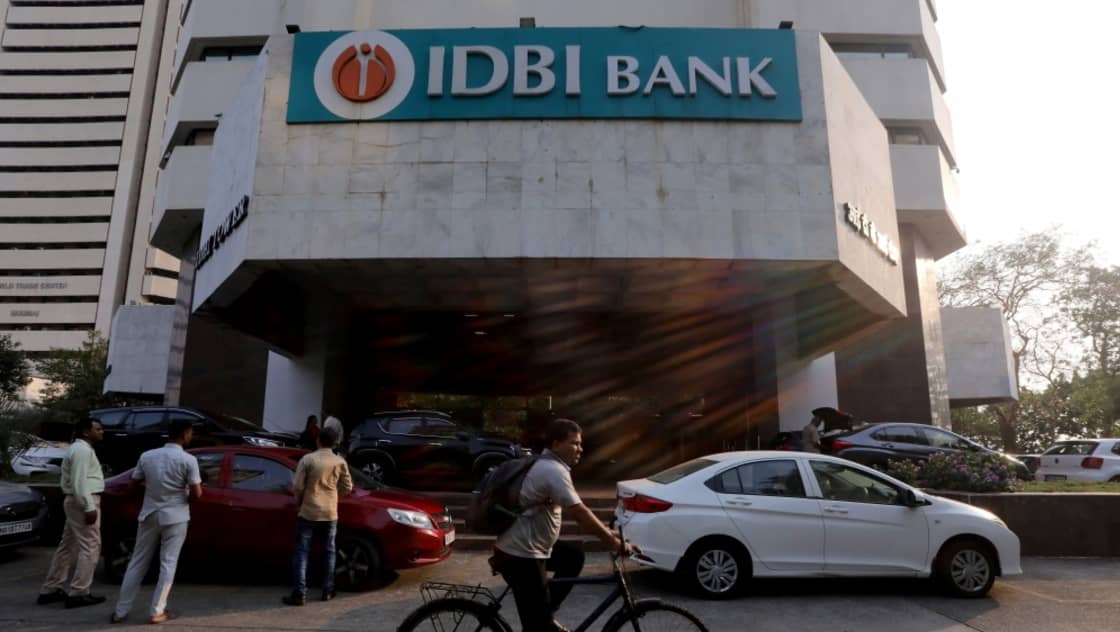
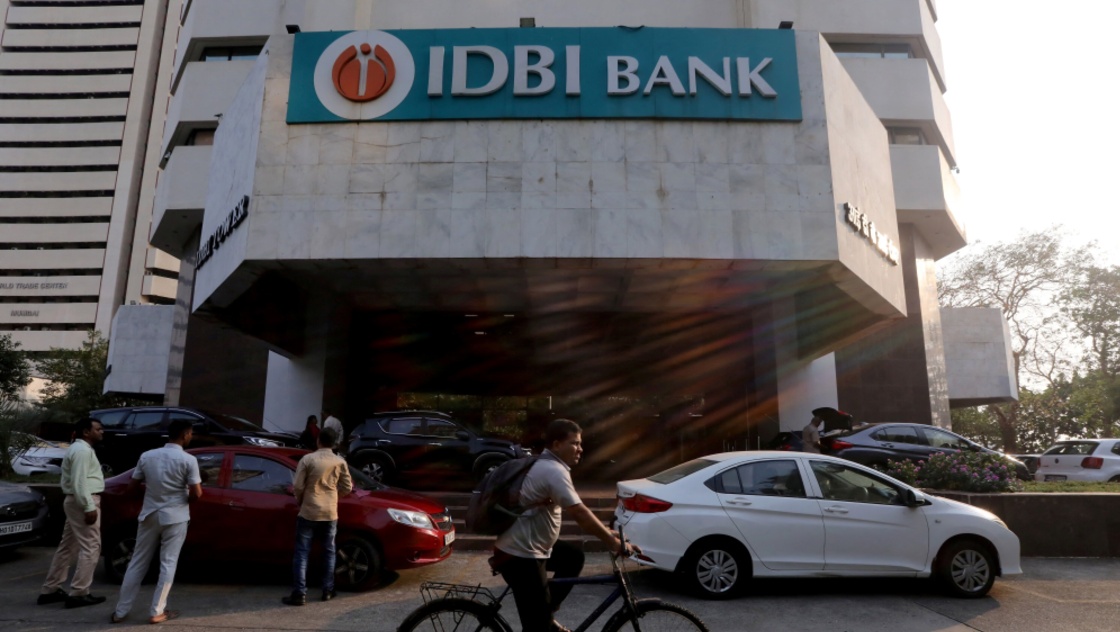
The Indian government has approved the sale of a 60.72 percent stake in IDBI Bank to a subsidiary of Canada-based Fairfax Financial Holdings for ₹52,878.08 crore. The decision, announced on October 14, 2026, marks a significant milestone in the long-running effort to restructure the bank and reduce government ownership. The transaction involves the central government and the Life Insurance Corporation of India, which together hold the majority of the bank’s shares.
The deal is important not only because of its financial value but also because it reflects IDBI Bank’s journey from a development finance institution to a commercial lender that faced a severe bad-loan crisis before beginning a recovery.
The Beginning of IDBI in 1964
The Industrial Development Bank of India was established on July 1, 1964, to support India’s industrialisation. Its original role was to provide financial assistance for industrial projects and contribute to the development of the country’s industrial sector.
Over time, the institution’s role and structure evolved. In 2004, IDBI became a banking entity, expanding its operations into commercial banking. The transition placed it in a more competitive financial environment, where managing lending risks, maintaining asset quality and generating sustainable profits became increasingly important.
However, exposure to stressed corporate borrowers and the broader bad-loan crisis in India’s banking sector eventually created significant financial pressure for the lender.
How Rising Bad Loans Created Financial Pressure
Non-performing assets, commonly known as NPAs, are loans for which borrowers have failed to make scheduled repayments for the specified period. When a bank accumulates a high level of NPAs, it must set aside funds to cover potential losses. This can reduce profitability, weaken its balance sheet and limit its ability to lend.
IDBI Bank experienced a major deterioration in asset quality as stressed corporate loans affected its financial performance. The bank required repeated capital support, first from the government and later from LIC, to strengthen its financial position.
In May 2017, the Reserve Bank of India placed IDBI Bank under the Prompt Corrective Action framework because of its weak financial health, elevated NPAs and losses. The framework imposed restrictions and required the bank to address its financial weaknesses. The RBI lifted those restrictions in March 2021, subject to conditions and continued monitoring, after the bank’s financial position improved.
LIC’s Role in the Bank’s Recovery
The Life Insurance Corporation of India became a major shareholder in IDBI Bank as part of efforts to stabilise the lender. Its capital support helped the bank navigate a difficult period and work towards improving its financial performance.
However, government ownership and LIC’s large shareholding also became central to the subsequent privatisation plan. The authorities began exploring a strategic sale that would bring in a new controlling shareholder while allowing the government and LIC to reduce their investments.
The proposed transaction was intended to transfer management control to a strategic investor rather than merely sell a small portion of shares in the market. This made the process more complex, as it required financial evaluation, due diligence and regulatory scrutiny.
Why the Government Decided to Sell Its Stake
The strategic sale was approved in principle in 2021, and the government invited expressions of interest in October 2022. The plan covered a combined 60.72 percent stake, comprising 30.48 percent held by the central government and 30.24 percent held by LIC.
The sale process experienced delays as potential investors completed due diligence and the government evaluated bids. In early 2026, financial offers from interested bidders were reported to be below the reserve price, leading to a pause in the process. The government later revived the sale and sought revised financial bids.
Fairfax Financial Holdings and Dubai-based Emirates NBD were among the bidders reported during the process. Following further evaluation, the government selected a Fairfax-backed entity as the strategic buyer.
Details of the ₹52,878 Crore Fairfax Deal
According to the Ministry of Finance, the Cabinet Committee on Economic Affairs approved 10955230 Canada Inc., a wholly owned subsidiary of Fairfax Financial Holdings, as the strategic buyer for IDBI Bank.
The approved purchase consideration is ₹52,878.08 crore for the combined 60.72 percent stake. The transaction includes the government’s 30.48 percent holding and LIC’s 30.24 percent holding.
Following the sale, the central government is expected to retain a 15 percent stake in IDBI Bank, while LIC will hold 19 percent. Their combined ownership will therefore fall to 34 percent. The government has also stated that both existing co-promoters will withdraw their nominee directors from the bank’s board under the approved transaction arrangements.
The sale is being presented as a major foreign investment transaction in India’s financial sector. It also offers the government an opportunity to generate proceeds from its stake while transferring management control to a private strategic investor.
What the Deal Could Mean for IDBI Bank
The ownership change could give IDBI Bank a new strategic direction, depending on how the incoming investor manages the business and develops its financial services operations. Fairfax has indicated plans to contribute businesses including Digit Insurance and IIFL Capital to IDBI Bank, subject to the relevant transaction arrangements and approvals. These plans could expand the group’s financial services offerings and create opportunities to serve a broader customer base.
However, a change in ownership does not automatically guarantee stronger performance. The bank will still need to maintain sound lending practices, manage credit risk, protect depositors’ interests and compete effectively in India’s banking market.
The transaction also does not mean that regulatory oversight will end. IDBI Bank will continue to operate within the regulatory framework applicable to banks in India, including supervision by the Reserve Bank of India.
What Happens Next
The government’s approval is a major step towards completing the strategic sale, but the transaction must proceed in accordance with its applicable legal, regulatory and closing requirements. The precise timing of completion will depend on the remaining formalities.
For customers, the ownership announcement alone does not establish any immediate change to account terms, deposits, loans or other banking services. Customers should rely on official communications from IDBI Bank for information about any future operational changes.
For the government, the deal represents progress in its disinvestment programme. For IDBI Bank, it marks another stage in a long recovery from financial distress. The long-term outcome will depend on the new owner’s strategy, the bank’s ability to sustain asset-quality improvements and its performance in a competitive financial sector.