Inflation May Reach 6–7 Per Cent, Systematix Warns of Further RBI Rate Hikes
India could face renewed inflationary pressure in the coming quarters, with inflation potentially reaching 6–7 per cent, according to a report by Systematix Institutional Equities. The report warns that rising business costs, elevated household inflation expectations, volatile international crude oil prices and supply-side disruptions could push inflation higher than previously anticipated.
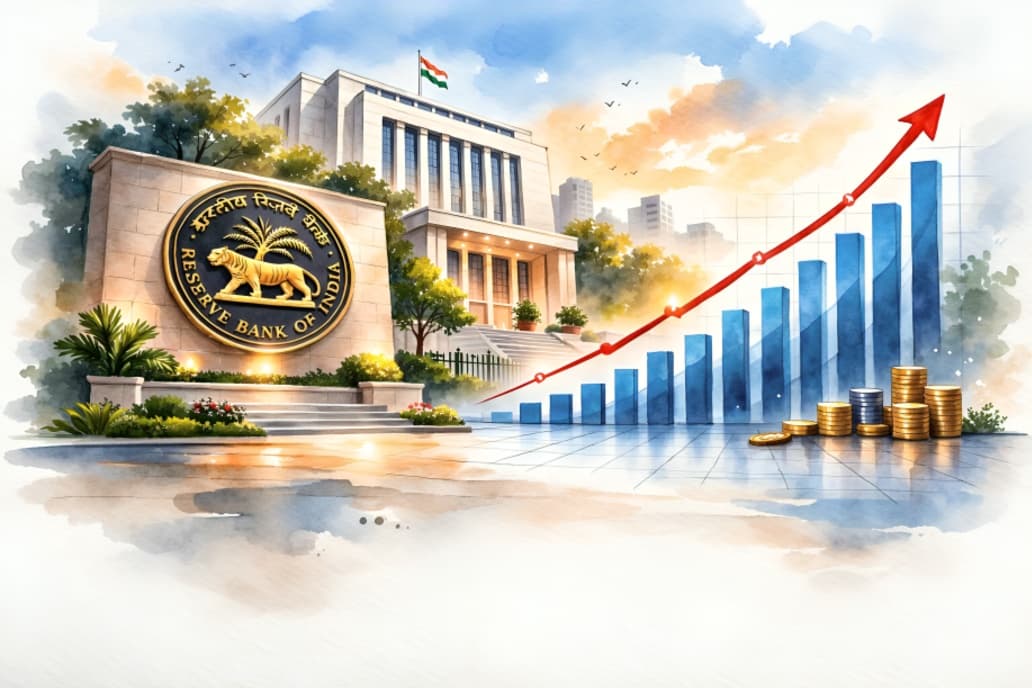
The assessment raises the possibility of further monetary tightening by the Reserve Bank of India. According to Systematix, the repo rate may need to increase by another 100–150 basis points from its reported level of 5.50 per cent if inflation continues to accelerate. Such an increase would take the rate to a potential range of 6.50–7.00 per cent.
However, this is an analyst forecast rather than a confirmed decision by the RBI. Any future policy action will depend on inflation data, economic growth and the central bank's assessment of the risks to price stability.
Rising Inflation Risks Concern Analysts
The Systematix report argues that inflationary pressures could be broader and more persistent than the central bank's projections suggest. It points to higher household inflation expectations and increasing price pressures across several categories of goods and services.
Household inflation expectations matter because they can influence spending, wage negotiations and purchasing decisions. When consumers expect prices to rise, they may bring forward purchases or demand higher wages to protect their purchasing power. Businesses facing higher labour and material costs may then increase prices, potentially making inflation more persistent.
The report cites the RBI's household survey, which showed average inflation expectations of 9.1 per cent in September 2026. This figure represents what surveyed households expect inflation to be, rather than the official measured inflation rate.
The distinction is important because expectations can remain higher or lower than actual inflation. Nevertheless, a sustained increase in expectations can complicate efforts to bring price growth under control.
Crude Oil and Supply Disruptions Add Pressure
International crude oil prices remain a major source of uncertainty for India's inflation outlook. India imports a substantial proportion of its crude oil requirements, leaving domestic costs exposed to changes in global energy markets.
When oil prices increase, transportation, manufacturing and logistics expenses can rise. These higher costs may eventually affect the prices of fuel, goods and services, depending on domestic pricing decisions and the extent to which businesses absorb the additional expense.
The Systematix report also highlights supply-side risks associated with an unfavourable southwest monsoon, El Niño conditions and disruptions affecting international energy supplies. Adverse weather can reduce agricultural output or disrupt the availability of certain food products, while higher energy costs can increase production and distribution expenses.
If these pressures occur simultaneously, inflation may spread beyond individual commodities and affect a wider range of consumer prices.
Rising Business Costs Could Affect Company Profits
The report points to increasing input costs among Indian companies, particularly manufacturers, as another warning sign. When raw materials, energy and transportation become more expensive, companies must decide whether to pass the additional costs on to customers or absorb them through lower profit margins.
Systematix estimates that input costs for non-financial companies rose by around 40 per cent year on year in the first quarter of the 2026–27 financial year. It also refers to a sharp increase in crude oil prices and a contraction in corporate gross margins.
If companies cannot fully transfer higher costs to consumers, profitability may weaken. If they raise selling prices instead, inflationary pressure on households could increase.
This creates a difficult balance for businesses, consumers and policymakers. Higher prices can reduce household purchasing power, while declining margins can discourage investment and affect future business expansion.
Why the RBI May Consider Further Rate Increases
The repo rate is the interest rate at which the RBI lends short-term funds to eligible banks against securities. Changes in this rate influence borrowing costs across the financial system, although the effect on individual loans and deposits varies.
Higher policy rates generally make borrowing more expensive and can moderate demand for credit and consumption. By slowing excessive demand and helping anchor inflation expectations, monetary tightening can support price stability over time.
The RBI increased the repo rate by 25 basis points to 5.50 per cent in October 2026 and shifted its policy stance to calibrated tightening. The central bank also indicated that near-term rate cuts were off the table.
Systematix argues that additional increases could be necessary if inflation rises towards 6–7 per cent. Its projected terminal rate of 6.50–7.00 per cent would represent a further increase of 100–150 basis points from the reported 5.50 per cent level.
A basis point is one-hundredth of a percentage point. Therefore, a 100-basis-point increase equals one percentage point, while a 150-basis-point increase equals 1.50 percentage points.
The central bank has not committed to the additional increases projected by Systematix. Its decisions will depend on how inflation, growth and other economic indicators evolve.
Impact on Home Loans, Businesses and Financial Markets
Further repo rate increases could eventually affect borrowers if banks pass higher funding costs through to lending rates. Households with floating-rate home loans and other variable-rate borrowing could face higher monthly payments or longer repayment periods.
Businesses may also encounter higher borrowing costs, potentially affecting investment, working capital and expansion plans. At the same time, higher interest rates can influence government bond yields and equity valuations as investors reassess future returns and financing expenses.
The report warns that a combination of rising input costs and tighter monetary policy could create challenges for financial markets and corporate earnings.
However, the precise impact will depend on the scale and timing of any future policy changes, as well as individual lenders' decisions.
India's Economic Outlook Remains Uncertain
The RBI has also revised its growth outlook, with its 2026–27 GDP growth projection raised to 7.1 per cent following stronger-than-expected growth in the first quarter. Strong economic activity can support employment and investment, but resilient demand can also make inflation more difficult to contain if supply cannot keep pace.
The central bank must therefore balance price stability with sustainable economic growth. Tightening policy too aggressively could weaken borrowing and spending, while insufficient action could allow inflation expectations to become entrenched.
For now, the Systematix report serves as a warning about possible inflation risks rather than a prediction of a guaranteed policy outcome. Investors, businesses and households will be watching upcoming inflation data, crude oil prices and RBI communications to understand whether additional rate increases are likely.
The coming quarters will determine whether inflation moderates or moves towards the 6–7 per cent range highlighted by analysts. Until greater clarity emerges, interest rate expectations and the cost of living are likely to remain important topics in India's economic outlook.