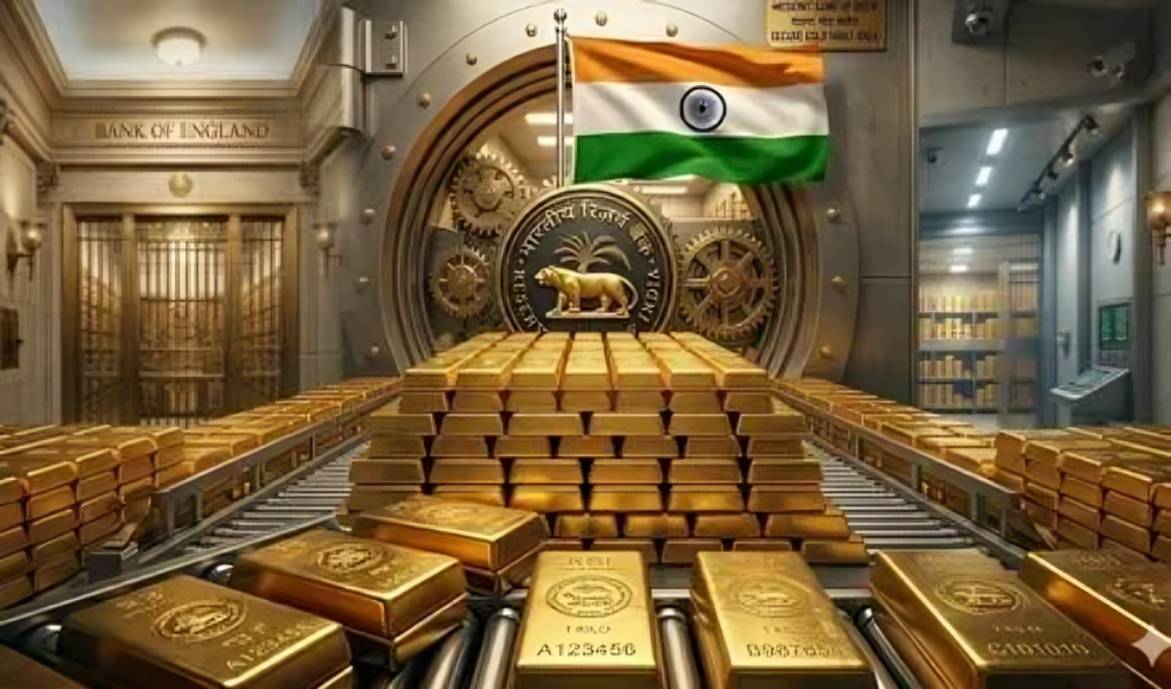
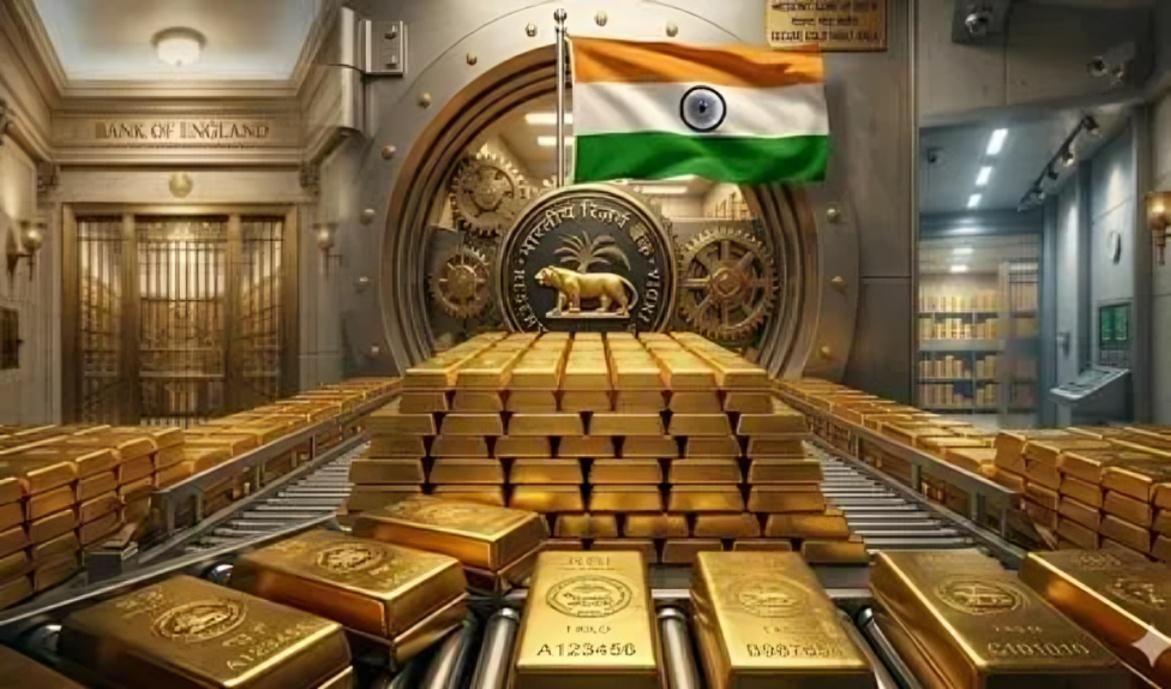
The Reserve Bank of India has reportedly transferred 60 tonnes of gold from overseas storage facilities to domestic vaults, marking a significant development in the country’s foreign exchange reserve management.
According to the available report, the latest transfer has increased the proportion of the central bank’s gold reserves held within India to 84 percent.
The development highlights the growing importance of asset security, reserve diversification and strategic financial management amid changing global economic conditions.
Gold remains an important component of central bank reserves worldwide, providing diversification alongside foreign currency assets and other international reserve holdings.
RBI Increases Domestic Gold Holdings
The Reserve Bank of India manages the country’s foreign exchange reserves, which include gold, foreign currency assets, Special Drawing Rights and the reserve position with the International Monetary Fund.
The reported transfer of 60 tonnes of gold represents a change in the geographical distribution of the central bank’s existing gold holdings.
With 84 percent of its gold reserves reportedly stored within India, the remaining 16 percent is held outside the country under other custody arrangements.
Increasing domestic gold storage could provide the central bank with greater direct control over the physical custody of its reserve assets.
However, the available report does not specify the total quantity of gold held by the RBI, the reporting period or the overseas facilities from which the gold was transferred.
Why the RBI Holds Gold Reserves
Gold plays an important role in the reserve management strategies of central banks across the world.
Unlike financial assets issued by governments or corporations, physical gold is not dependent on an issuer’s ability to meet repayment obligations.
Central banks generally maintain gold reserves to diversify their assets and manage exposure to fluctuations in international financial markets.
Gold may also provide a degree of protection against certain economic and geopolitical risks, although its market value can fluctuate significantly.
For India, gold forms part of a broader reserve management framework designed to support external financial stability and maintain confidence in the country’s ability to meet international financial obligations.
Importance of Bringing Gold Back to India
Transferring gold from overseas facilities to domestic vaults is commonly referred to as gold repatriation.
Holding a larger proportion of gold reserves within national borders can provide greater direct oversight of physical assets and reduce dependence on overseas custodians.
Domestic storage may also support operational flexibility in certain circumstances and allow central banks to manage their physical reserves according to their institutional requirements.
However, overseas storage continues to offer advantages, including access to international bullion markets and facilities that support financial transactions involving gold.
Central banks must therefore balance domestic custody requirements with international liquidity and operational considerations.
The reported transfer reflects a change in storage arrangements rather than necessarily indicating a complete withdrawal from overseas gold custody.
Gold Transfer Does Not Automatically Increase Total Reserves
An important distinction must be made between purchasing additional gold and transferring existing gold reserves from one location to another.
When the Reserve Bank of India moves gold from overseas vaults to domestic storage facilities, the geographical distribution of its holdings changes.
However, the transfer itself does not automatically increase the total quantity of gold owned by the central bank.
An increase in overall gold holdings would require additional purchases or other transactions that expand the central bank’s ownership.
Similarly, the monetary value of gold reserves can change depending on international gold prices and exchange rate movements.
The reported transfer of 60 tonnes should therefore be understood primarily as a change in custody arrangements unless official data confirms additional purchases.
Gold and India’s Foreign Exchange Reserve Strategy
India’s foreign exchange reserves serve several important economic functions, including supporting external payment requirements and helping manage volatility in foreign exchange markets.
Foreign currency assets generally account for a substantial portion of these reserves, while gold provides an additional form of asset diversification.
The value of gold reserves can be influenced by international bullion prices, currency movements, global interest rates and broader economic developments.
Maintaining a diversified reserve portfolio can help central banks manage different financial risks.
However, gold does not generate regular interest income in the same way as certain interest bearing financial assets.
The appropriate balance between gold and other reserve assets depends on the central bank’s liquidity requirements, risk management objectives and overall financial strategy.
Global Economic Uncertainty Highlights the Role of Gold
Gold has traditionally attracted attention during periods of economic uncertainty, geopolitical tensions and financial market volatility.
Central banks in several countries maintain gold holdings as part of their efforts to diversify international reserves and reduce concentration risks.
Changes in global monetary policies, inflation expectations and international financial conditions can influence decisions concerning reserve composition.
However, the reasons behind individual central bank transactions may vary depending on institutional requirements and economic circumstances.
The available report does not include an official RBI explanation identifying the specific reasons behind the latest gold transfer.
It would therefore be premature to attribute the decision exclusively to geopolitical tensions or concerns about international currencies.
Will the RBI Gold Transfer Affect Domestic Gold Prices
The transfer of existing gold reserves to domestic vaults does not necessarily have a direct impact on retail gold prices in India.
Domestic gold prices are influenced by several factors, including international bullion prices, the exchange rate between the Indian rupee and the United States dollar, import duties, taxes and consumer demand.
Since repatriation involves relocating gold already owned by the central bank, it does not automatically create additional demand in the domestic jewellery market.
Consumers and businesses should distinguish between central bank reserve management activities and commercial gold market transactions.
Any broader impact on gold prices would depend on prevailing market conditions and other economic developments.
RBI Gold Repatriation Highlights Reserve Management Priorities
The reported transfer of 60 tonnes of gold and the increase in domestic holdings to 84 percent represent a notable development in the geographical distribution of India’s official gold reserves.
Maintaining an appropriate balance between domestic and overseas storage remains an important consideration for central banks seeking to manage security, liquidity and operational requirements.
Further official disclosures from the Reserve Bank of India could provide greater clarity regarding total gold holdings, overseas custody arrangements and changes in reserve composition.
The latest reported development highlights the continuing importance of gold within India’s foreign exchange reserve management framework and its role in supporting long term financial resilience.