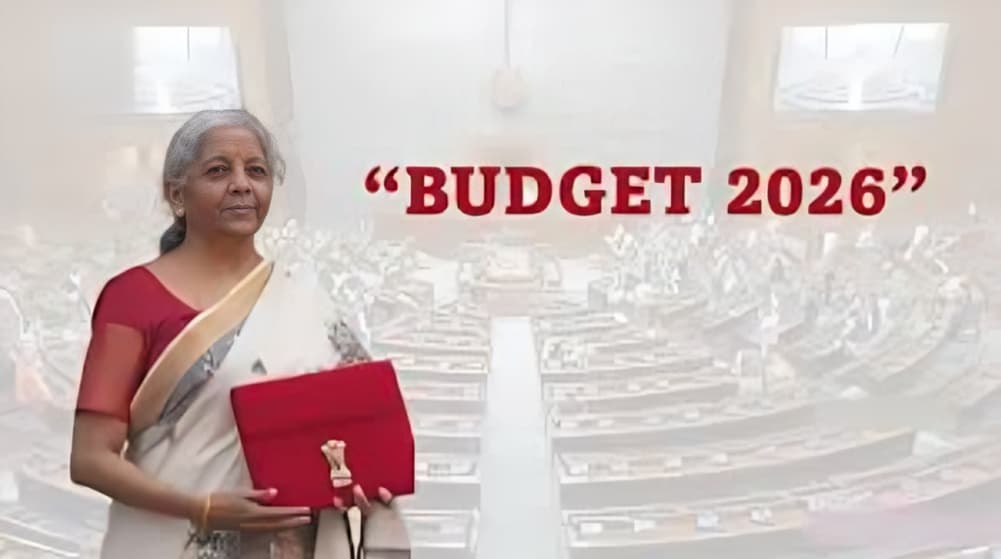
The Union Budget 2026–27, scheduled to be presented by Finance Minister Nirmala Sitharaman, will outline India’s economic priorities and government spending plans for the upcoming financial year. Every year, the Budget speech contains several financial and economic terms that can be confusing for ordinary citizens. A basic understanding of these terms helps people assess the impact of the Budget on taxation, public spending, prices, employment, and investment opportunities.
Gross Domestic Product (GDP)
GDP measures the total value of goods and services produced in a country in a given year. It is a key indicator of economic growth. When GDP rises, it usually indicates strong economic activity and increased business and employment opportunities.
Fiscal Deficit
Fiscal deficit occurs when the government’s total expenditure exceeds its total revenue, excluding borrowings. A higher fiscal deficit may lead to increased borrowing, affecting interest rates and inflation.
Revenue Deficit
Revenue deficit refers to the shortfall in the government’s revenue receipts compared to its revenue expenditure. A high revenue deficit indicates that the government is borrowing to meet day-to-day expenses rather than capital investments.
Capital Expenditure (CapEx)
Capital expenditure refers to spending on infrastructure projects, machinery, and other long-term assets. CapEx is considered crucial for economic growth as it leads to job creation and enhances productivity.
Disinvestment
Disinvestment occurs when the government sells its stake in public sector companies. This generates revenue for the government and encourages private sector participation in the economy.
Tax Terms
The Budget often discusses direct and indirect taxes. Direct taxes include income tax and corporate tax, while indirect taxes include GST, customs duties, and excise duties. Changes in tax slabs or rates affect disposable income, consumption patterns, and business profitability.
Subsidies and Welfare Schemes
The Budget also outlines allocations for social welfare programs, subsidies for farmers, education, health, and employment schemes. Understanding these allocations helps citizens know how government policies affect different sectors of society.
Inflation and Interest Rates
While the Reserve Bank of India primarily manages inflation and interest rates, the Budget can indirectly affect them through fiscal measures. For example, increased government spending can boost demand, influencing prices and borrowing costs.
Defence and Infrastructure Allocations
Budgets often include allocations for defence, roads, railways, and energy projects. Capital-intensive sectors benefit from such allocations, which also create employment and stimulate private investments.
Being familiar with these terms allows citizens, investors, and businesses to critically analyse the Union Budget. It helps understand the government’s priorities, identify potential opportunities in different sectors, and anticipate changes in taxation or policy that could affect financial planning.
In conclusion, ahead of Nirmala Sitharaman’s Budget 2026–27 presentation, knowing these key financial terms will make it easier for the public to interpret government decisions and their wider economic impact.