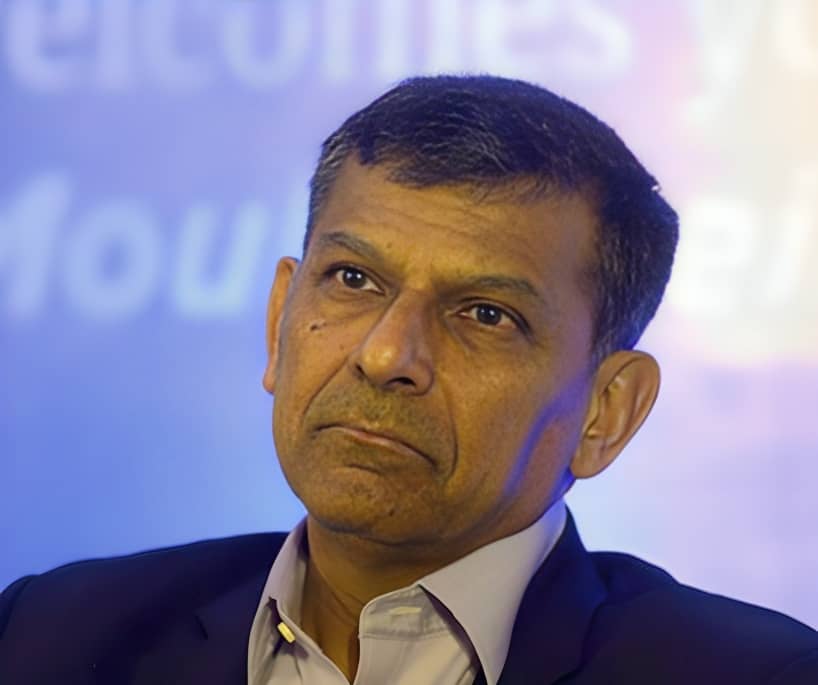
As the Union Budget 2026–27 approaches, former Reserve Bank of India Governor Raghuram Rajan has urged policymakers to adopt a forward looking and resilient economic strategy. With the Finance Minister set to present the budget on February 1, Rajan highlighted the importance of addressing global risks while strengthening domestic economic foundations.
Rajan described the current global environment as extremely dangerous, pointing to rising geopolitical tensions, trade disruptions, and economic uncertainty. According to him, these challenges require India to rethink how budgets are framed and implemented. Rather than focusing on short term announcements, he believes the budget must align with a broader and more coherent long term economic vision.
He noted that past budgets have often lacked integration with wider economic planning. In his view, fiscal policy should clearly outline how India plans to become more resilient and less vulnerable to external shocks. This includes reducing dependence on uncertain global supply chains while ensuring that the economy remains open and competitive.
Rajan emphasised that resilience does not mean isolation. Instead, he argued that India should aim to grow rapidly and sustainably in a way that encourages global partnerships. A strong and stable economy, he said, would naturally attract cooperation from other nations. Achieving this balance, however, would require careful planning and consistent policy execution.
The former central bank chief also highlighted the need for structural reforms that go beyond annual budget cycles. He suggested that investments in education, healthcare, and infrastructure should be guided by a long term framework that supports productivity and inclusive growth. According to Rajan, such measures would help India weather global instability while improving living standards domestically.
With geopolitical risks affecting trade and investment flows, Rajan said the budget should also focus on strengthening domestic demand and manufacturing capabilities. He stressed that economic independence should be built through competitiveness and innovation rather than protectionist policies. Supporting small and medium enterprises and improving the ease of doing business were among the areas he indicated could deliver lasting benefits.
The upcoming budget has generated high expectations, particularly at a time when global economic growth remains uneven. Rajan expressed hope that Finance Minister Nirmala Sitharaman’s next budget would take meaningful steps toward a more resilient and future ready economy. He said this would involve making tough choices and committing to reforms that may not yield immediate political returns but are essential for long term stability.
As India prepares for the 2026–27 fiscal year, Rajan’s remarks underline the growing consensus that economic policy must adapt to a changing global order. The Union Budget, he suggested, offers a crucial opportunity to set priorities that strengthen India’s position amid uncertainty and ensure sustainable growth in the years ahead.