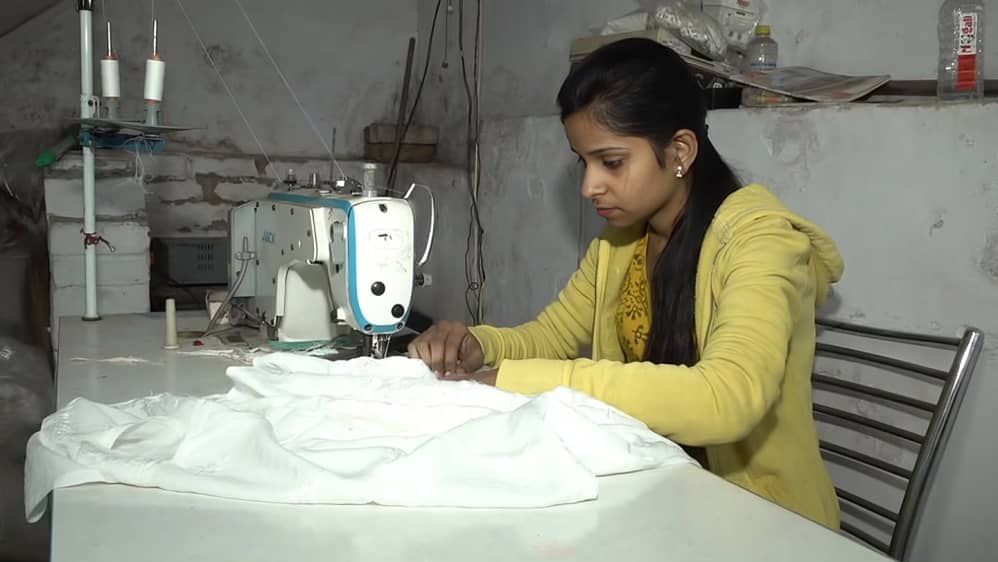
As the Union Budget approaches, Lucknow’s Chikankari traders are urging the government to provide support for the traditional hand-embroidered textile industry. The industry, which employs thousands of artisans, faces multiple challenges including high taxes, duplication of products, and stiff competition from machine-made alternatives. Traders and industry representatives are hopeful that the upcoming budget will address these concerns and offer relief measures.
One of the key demands from the traders is a reduction in GST on Chikankari products. Currently, the uniform tax rate on handicrafts and embroidery affects small and medium-scale producers, making them less competitive compared to machine-made garments. Traders argue that lowering GST would make authentic Chikankari more affordable for buyers while supporting artisans financially.
Another pressing issue is the duplication of Chikankari designs by manufacturers from other regions, which undermines the value of authentic Lucknow embroidery. Traders are seeking stricter regulations and promotional campaigns to distinguish genuine handcrafted Chikankari in the domestic and international markets. Such initiatives could raise awareness about the skill, labor, and cultural heritage involved in making these intricate pieces.
Export challenges also remain a concern. Chikankari traders have reported that US tariffs on hand-embroidered goods have affected exports, reducing demand in international markets. Traders are requesting policy measures that could help mitigate these impacts, such as export incentives or assistance in finding new markets for authentic hand-embroidered products.
Traders and artisan groups emphasized the importance of government promotion. Organizing exhibitions, marketing campaigns, and collaborations with e-commerce platforms could increase visibility for Chikankari globally. They also suggested support for skill development programs to ensure the younger generation continues the craft, thereby sustaining employment and preserving cultural heritage.
Industry representatives stated that Chikankari is not only an economic asset but also a symbol of Lucknow’s cultural identity. Supporting the industry through tax relief, marketing initiatives, and stricter protection against duplication could enhance both domestic sales and exports, benefiting artisans directly.
With the Union Budget approaching, traders are optimistic that policymakers will consider their demands. Many believe that addressing these issues would provide a much-needed boost to the traditional embroidery sector, ensuring that the craft survives in a modern, competitive marketplace.
By reducing GST, providing promotional support, and safeguarding against duplication, the government can help Lucknow’s Chikankari industry thrive, support artisans, and maintain the city’s reputation as a hub for high-quality hand-embroidered textiles.