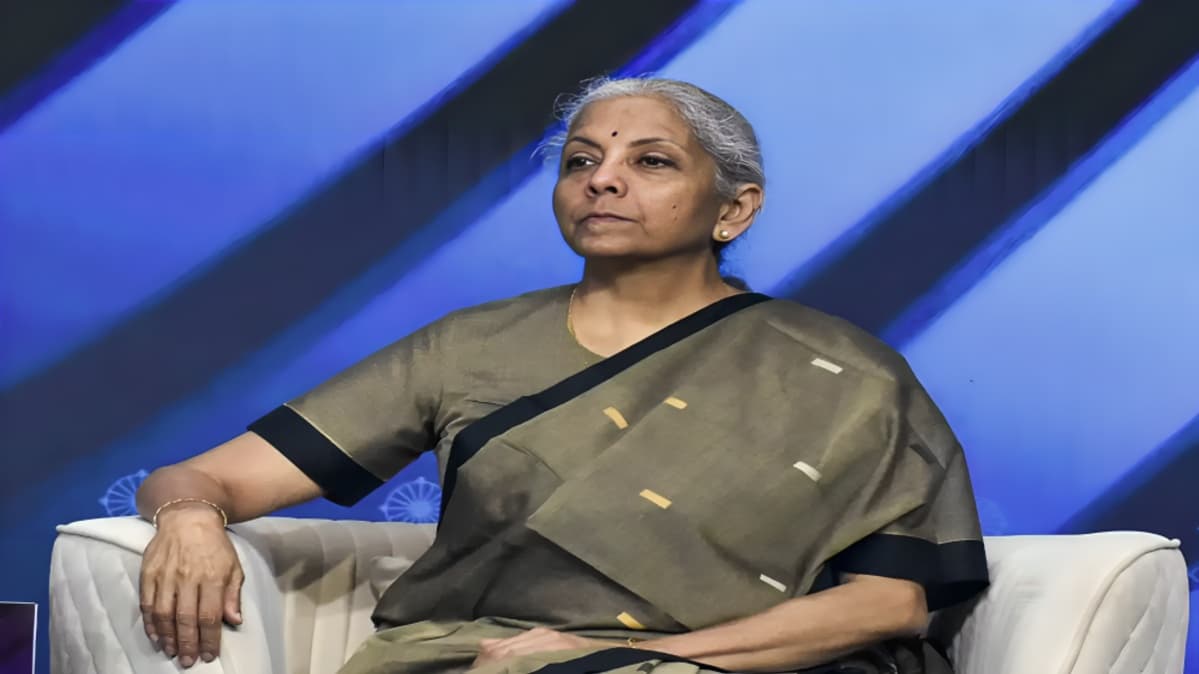
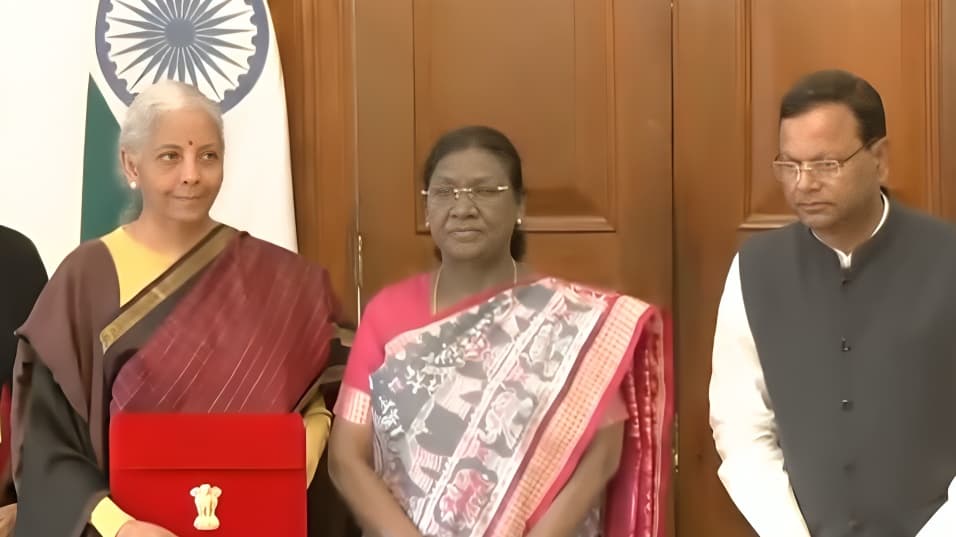
The Union Budget is one of the most important constitutional and economic exercises in India, shaping the country’s fiscal direction each year. As preparations intensify for the Union Budget 2026–27, scheduled to be presented by Finance Minister Nirmala Sitharaman on February 1, it is worth revisiting some lesser-known facts that trace the evolution and significance of this annual event.
India’s budgetary tradition dates back more than a century and a half. The first budget in India was presented on April 7, 1860, during British rule. It was introduced by James Wilson, a member of the Viceroy’s Executive Council, primarily to manage the financial aftermath of the 1857 uprising. This marked the beginning of formal budgetary practices in the country.
After Independence, India’s first Union Budget was presented on November 26, 1947, by independent India’s first Finance Minister, R K Shanmukham Chetty. The document focused on stabilising the economy during a period of transition and uncertainty.
The Union Budget derives its authority from the Constitution of India. Article 112 mandates the presentation of the Annual Financial Statement, which outlines the government’s estimated receipts and expenditures for the coming financial year. Without parliamentary approval, no public money can be spent, underscoring the Budget’s central role in democratic governance.
Originally, the Budget was presented at 5 pm, a practice inherited from British traditions. This changed in 1999, when the Atal Bihari Vajpayee government shifted the timing to 11 am to make it more accessible to the public and aligned with Indian working hours.
Another significant change came in 2017, when the railway budget was merged with the Union Budget. Until then, the railway budget had been presented separately since 1924. The merger aimed to streamline government finances and improve efficiency.
India has also witnessed several historic firsts in budget presentations. Morarji Desai holds the record for presenting the highest number of Union Budgets, serving as Finance Minister on multiple occasions. Indira Gandhi became the first woman to present the Budget in 1970, while Nirmala Sitharaman became the first full-time woman Finance Minister to do so in 2019.
The Budget was traditionally printed in secrecy at the government press until the famous halwa ceremony, which marks the beginning of the lock-in period for officials involved in its preparation. This practice continues, symbolising confidentiality and teamwork.
The Union Budget has played a crucial role in shaping India’s economic reforms. Landmark budgets have introduced policies such as liberalisation in 1991, the introduction of goods and services tax groundwork, and increased focus on infrastructure, welfare and digital governance in recent years.
As the Union Budget 2026–27 approaches, these lesser-known facts highlight how the Budget has evolved from a colonial financial statement into a powerful instrument of policy making. Beyond numbers, it reflects India’s economic priorities, political choices and long-term development vision.