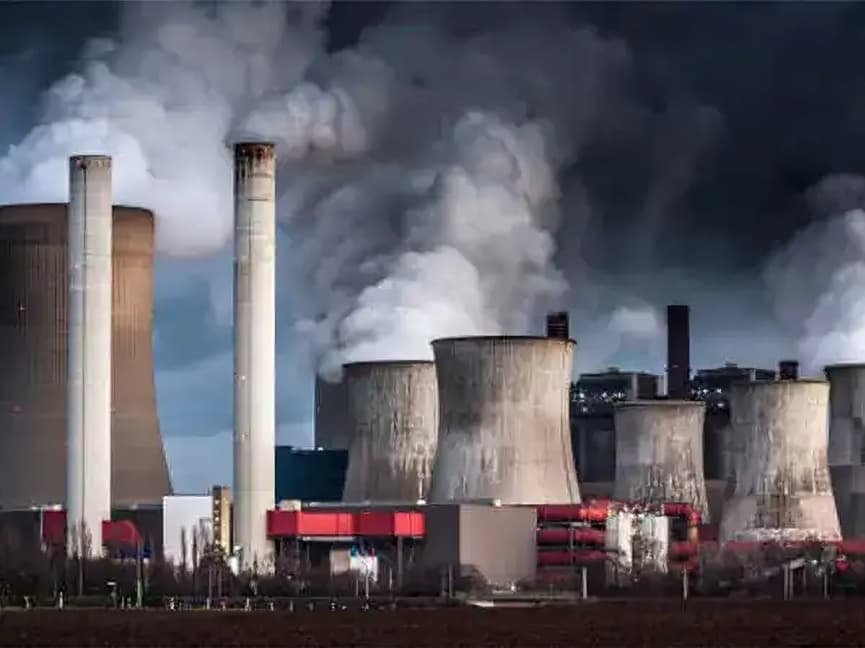
Coal has long been the backbone of industrialisation across the world, fuelling factories, power plants, and economic expansion for more than two hundred years. However, the global energy landscape is undergoing a fundamental transformation. In most advanced economies, coal consumption peaked nearly two decades ago and has since fallen sharply as cleaner energy sources replaced fossil fuels. Even China, once the world’s largest driver of coal demand, is now showing signs of sustained decline.
According to recent estimates, coal fired power generation in China fell slightly last year despite a rise in overall electricity demand. This shift reflects a broader structural change as renewable energy, nuclear power, and efficiency improvements increasingly meet incremental demand. The International Energy Agency now expects China’s coal consumption to decline significantly by 2030, marking a sharp reversal from earlier projections.
Against this backdrop, India stands out as the last major economy where coal demand is still expected to grow. The IEA estimates that India’s coal consumption could rise by around 200 million tonnes by the end of this decade, largely offsetting China’s decline. Reflecting this outlook, the Indian government has outlined plans to add nearly 97 gigawatts of new coal fired power capacity by 2035, representing a substantial expansion from current levels.
However, turning these targets into reality has proven increasingly challenging. One of the biggest obstacles is financing. Global lenders, multilateral institutions, and even domestic banks have become more cautious about funding coal projects due to environmental, social, and governance concerns. Higher borrowing costs and reduced access to long term capital have slowed new project approvals.
Land acquisition and regulatory approvals present another major hurdle. Coal power plants require large tracts of land and extensive environmental clearances, often leading to delays due to legal challenges and community opposition. In several cases, projects have been stalled for years, increasing costs and reducing investor interest.
At the same time, renewable energy has become far more competitive. Solar and wind power costs in India have fallen dramatically over the past decade, making them cheaper and faster to deploy than new coal plants. Battery storage and grid upgrades are also improving, reducing concerns about intermittency. As a result, power distribution companies increasingly prefer renewable capacity, which carries lower long term risks.
Operational challenges within the coal sector have added further strain. Fuel supply bottlenecks, transportation constraints, and ageing infrastructure have affected plant efficiency. While domestic coal production has increased, matching supply with rapidly changing demand patterns remains a complex task.
India’s policymakers argue that coal remains essential to ensure energy security, particularly as electricity demand continues to rise with economic growth, urbanisation, and electrification. They also stress that renewable energy alone cannot yet provide reliable baseload power at scale.
However, experts suggest that India’s coal expansion plans may need recalibration. Instead of aggressive capacity additions, the focus could shift towards improving efficiency at existing plants, retiring older units, and accelerating investment in cleaner alternatives. The challenge for India lies in balancing development needs with environmental responsibilities while navigating a rapidly evolving global energy transition.