
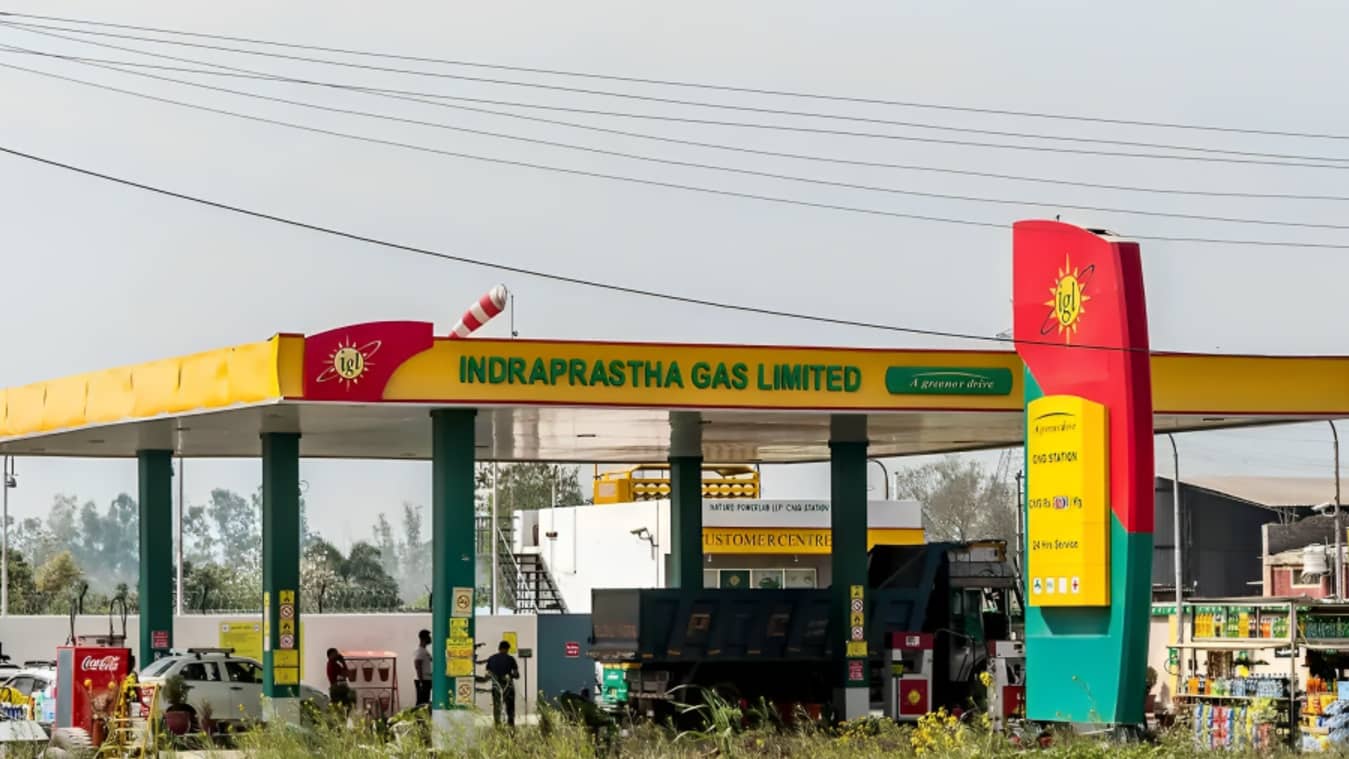
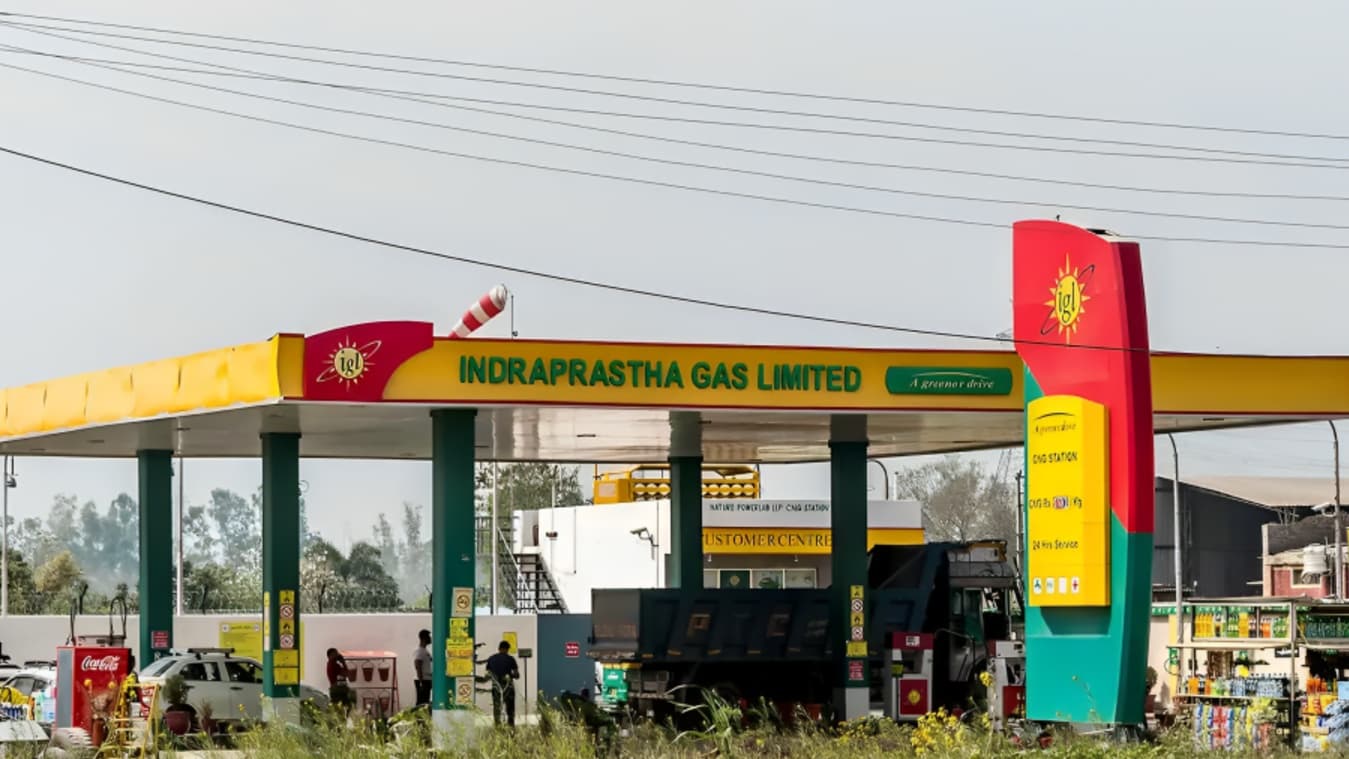
Indraprastha Gas Limited (IGL), one of India's leading city gas distribution companies, reported a significant decline in its profitability for the second quarter of the financial year 2026-27. The company's standalone net profit dropped by approximately 93.5% year-on-year in the July-September quarter, mainly due to a sharp increase in input gas costs amid global supply disruptions linked to the West Asia situation.
According to the company's quarterly financial results, IGL recorded a standalone net profit of ₹24.38 crore in the September 2026 quarter, compared with ₹372.51 crore in the corresponding quarter of the previous financial year. The sharp decline highlights the pressure on the company's operating margins despite an increase in sales volumes and overall turnover.
Rising gas procurement costs affect profitability
The increase in input gas costs was a major factor behind the decline in IGL's quarterly earnings. Disruptions in global energy supplies and uncertainty surrounding the West Asia region contributed to higher gas procurement costs.
City gas distribution companies such as IGL depend on a combination of domestic natural gas and imported gas to meet customer requirements. When international gas prices rise or supply availability becomes uncertain, procurement expenses can increase significantly.
Companies may not always be able to pass on the entire increase in input costs to customers immediately. Delays in adjusting retail prices can therefore affect profit margins.
The impact was particularly visible in IGL's September-quarter performance, as the rise in revenue did not translate into higher profitability.
Turnover increases despite profit decline
Despite the sharp fall in net profit, IGL recorded an increase in gross sales turnover during the quarter.
The company's gross sales turnover rose to ₹5,999.13 crore in the July-September period, compared with ₹4,431.63 crore in the corresponding quarter of the previous year. This represented an increase of approximately 26%.
The improvement was supported by higher gas sales volumes as well as increased gas prices. However, the rise in input costs significantly affected the company's ability to convert higher turnover into profits.
The difference between revenue growth and profit performance demonstrates how changes in raw material and procurement expenses can affect companies operating in the energy distribution sector.
Average daily gas sales cross 10 mmscmd
One of the positive developments during the quarter was the increase in IGL's average daily gas sales.
The company reported that average daily gas sales crossed the 10 million standard cubic metres per day (mmscmd) mark for the first time. Sales increased to 10.06 mmscmd during the July-September quarter, compared with 9.31 mmscmd in the same period last year.
This indicates that demand for natural gas continued to expand across the company's customer segments despite the challenging cost environment.
Compressed natural gas (CNG) volumes increased by 9% year-on-year during the quarter. CNG is widely used as an alternative automotive fuel, particularly in public transport and private vehicles.
Piped natural gas (PNG) sales also increased by 8%. PNG is supplied to households and commercial establishments for cooking and other applications.
The growth in both segments contributed to the increase in overall sales volumes.
West Asia uncertainty creates pressure on the energy sector
The earnings performance comes amid continuing uncertainty in international energy markets.
West Asia plays an important role in global oil and natural gas supply chains. Disruptions affecting production, transportation routes or LNG availability can influence international prices and procurement arrangements.
India imports a substantial portion of its natural gas requirements in the form of liquefied natural gas (LNG). Higher international prices can therefore increase the cost of gas for domestic buyers.
Recent increases in India's LNG import expenditure have also highlighted the impact of global energy market disruptions on the country's fuel costs. Higher procurement expenses can affect industries and energy distributors that rely on imported supplies.
For IGL, the increase in gas costs has created a challenging operating environment, particularly when retail price adjustments do not fully offset the rise in procurement expenses.
IGL's city gas distribution network
IGL operates city gas distribution networks across 34 districts in 11 geographical areas covering Delhi, Uttar Pradesh, Haryana and Rajasthan.
The company has an extensive distribution infrastructure, including more than 30,000 kilometres of pipelines and over 1,000 CNG stations. It serves millions of customers through its CNG and piped natural gas networks.
The company's performance is closely linked to demand from the transport, household and commercial sectors. Growth in CNG vehicle usage and expansion of household PNG connections can support sales volumes over the long term.
However, profitability remains sensitive to gas procurement costs, supply availability, pricing decisions and the company's ability to manage operating expenses.
Outlook for the coming quarters
IGL's September-quarter results highlight the difference between business volume growth and earnings growth. Although the company recorded higher turnover and increased gas sales, the sharp rise in input costs significantly reduced its standalone net profit.
Investors and market participants are likely to monitor international gas prices, developments in West Asia and the company's future pricing decisions to assess the potential impact on margins.
The pace at which procurement costs stabilise and whether the company can pass on higher expenses to consumers will be important factors for its financial performance in the coming quarters.
For now, IGL's latest results underline the challenges facing India's city gas distribution industry amid global energy market uncertainty. The company's ability to maintain sales growth while managing procurement expenses will remain important to its profitability.