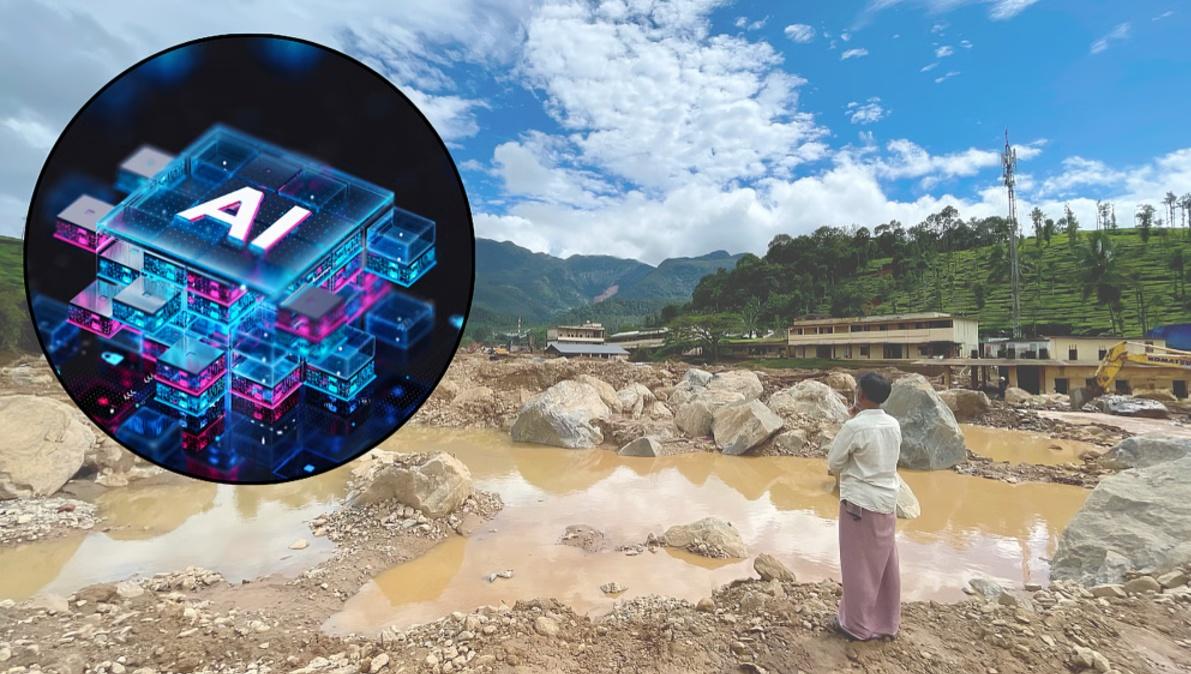
India is facing growing challenges from extreme weather events, floods and landslides that threaten public safety, critical infrastructure and economic activity. Artificial intelligence powered early warning systems are emerging as potentially valuable tools for strengthening the country’s disaster preparedness and reducing financial losses.
By combining scientific monitoring, real time data analysis and predictive technologies, these systems can help authorities identify potential hazards and issue timely warnings.
Early alerts could enable government agencies, businesses and local communities to implement preventive measures before natural hazards develop into major disasters.
From highways and railway networks to hydropower projects and tourism dependent regions, advanced disaster monitoring technologies could play an important role in protecting infrastructure and maintaining economic stability.
Artificial Intelligence Strengthens Disaster Preparedness
Artificial intelligence can process large volumes of environmental and geographical data to identify patterns associated with potential natural hazards.
AI based monitoring systems can analyse rainfall measurements, satellite imagery, river water levels, soil moisture and historical weather records to assess emerging risks.
These technologies can support scientists and disaster management authorities in identifying vulnerable locations and improving the timeliness of warnings.
Machine learning models can also help detect unusual environmental changes that may indicate an increased likelihood of flooding or landslides.
However, the effectiveness of these systems depends on reliable data, accurate scientific models, regular maintenance and appropriate human supervision.
Artificial intelligence should complement existing disaster management mechanisms rather than replace scientific expertise and official decision making.
Early Warning Systems Could Reduce Economic Losses
Natural disasters can cause substantial financial losses through infrastructure damage, business interruptions, agricultural losses and disruptions to essential services.
Floods and landslides can damage roads, bridges, railway tracks, electricity networks and commercial establishments.
Reconstruction and restoration efforts may require considerable public expenditure, particularly in regions that experience recurring natural hazards.
Timely warnings could help authorities temporarily suspend vulnerable operations, evacuate people, protect equipment and implement emergency response measures.
Businesses may also use early alerts to adjust transportation schedules, secure valuable assets and prepare alternative operational arrangements.
These preventive actions could reduce avoidable damage and support faster economic recovery following disasters.
However, the actual financial savings would depend on the accuracy of warnings and the effectiveness of preventive measures.
Protecting Highways and Railway Infrastructure
India’s extensive road and railway networks are essential for passenger transportation, commercial activity and the movement of goods.
Heavy rainfall, flooding and landslides can disrupt transportation services, particularly in mountainous and geographically vulnerable regions.
AI powered monitoring systems could help identify locations where environmental conditions indicate an increased risk of infrastructure damage.
Authorities could use this information to conduct inspections, issue travel advisories and temporarily restrict movement through hazardous areas.
Railway operators could also benefit from monitoring technologies that identify potential risks near vulnerable tracks, bridges and slopes.
Reducing unexpected transportation disruptions could help minimise economic losses associated with delayed deliveries, cancelled services and infrastructure repairs.
Hydropower Projects Could Benefit From Predictive Monitoring
Hydropower projects depend on effective water resource management and continuous monitoring of environmental conditions.
Extreme rainfall, sudden increases in river water levels and landslides can create operational challenges for dams and hydropower facilities.
Artificial intelligence based forecasting systems could help operators analyse rainfall patterns, reservoir conditions and potential changes in water inflows.
Such information could support operational planning and emergency preparedness when combined with established engineering procedures and expert assessments.
Improved monitoring could also help protect electricity generation infrastructure and reduce interruptions to power supply.
However, decisions concerning reservoir management and water releases must remain subject to established safety protocols and professional oversight.
Supporting Tourism Dependent Economies
Tourism is an important source of employment and income in several Indian states, particularly in mountainous, coastal and environmentally sensitive regions.
Natural disasters can disrupt tourism activities, damage hospitality infrastructure and affect the livelihoods of local communities.
Early warning systems could help tourism authorities and businesses prepare for extreme weather events by issuing timely advisories and implementing appropriate safety measures.
Hotels, travel operators and transportation providers could use reliable forecasts to modify travel arrangements and protect visitors.
Improved disaster preparedness could also support faster restoration of tourism activities following hazardous weather events.
Nevertheless, tourist safety must remain the primary consideration when authorities assess whether destinations are suitable for travel.
Role of Scientific Monitoring and Predictive Technologies
Scientific monitoring remains a fundamental component of effective disaster management.
Satellite observations, weather stations, river monitoring equipment and ground sensors provide valuable information about changing environmental conditions.
Artificial intelligence can help analyse these datasets and identify patterns that may be difficult to recognise through conventional methods alone.
India’s disaster preparedness framework involves institutions such as the India Meteorological Department, Central Water Commission, Geological Survey of India and National Disaster Management Authority.
Coordination between scientific institutions, government agencies and local authorities is essential for converting technical forecasts into practical safety measures.
Investments in reliable monitoring infrastructure and communication networks could further improve the effectiveness of early warning systems.
Challenges in Implementing AI Based Disaster Warning Systems
Despite their potential benefits, AI powered disaster warning systems face several implementation challenges.
Limited monitoring infrastructure, incomplete historical data, inaccurate predictions and connectivity problems can affect system performance.
Remote and geographically challenging regions may require additional investment in sensors, communication networks and technical expertise.
False alarms and missed warnings can also reduce public confidence in forecasting technologies.
Effective implementation requires continuous testing, scientific validation, trained personnel and clear communication procedures.
Warning messages must also be accessible in regional languages and reach vulnerable communities through reliable communication channels.
Technology alone cannot prevent disasters unless authorities and communities have the resources and knowledge required to respond effectively.
India’s Long Term Strategy for Disaster Resilience
Investments in artificial intelligence, scientific research and predictive monitoring could contribute to India’s broader efforts to strengthen disaster resilience.
Integrating advanced technologies with infrastructure planning, emergency response systems and community awareness programmes could help reduce vulnerability to natural hazards.
Collaboration between government institutions, research organisations and technology companies may support the development of more effective forecasting solutions.
As India continues to address the challenges associated with extreme weather events, early warning technologies could become increasingly important for protecting lives, infrastructure and economic activity.
However, their long term success will depend on reliable scientific evidence, sustained investment, effective implementation and timely responses to warnings.