November 24, 2026
India’s textiles and apparel industry could achieve significant growth in international markets by expanding finished garment manufacturing, improving factory productivity and strengthening global competitiveness, according to a joint report by Boston Consulting Group and the Confederation of Indian Industry.
The report, titled Winning the Global Wardrobe: India’s Roadmap to Textile and Apparel Leadership, outlines opportunities for India to strengthen its position in the global textiles and apparel industry.
According to the report, India’s textiles and apparel industry, currently valued at approximately 190 to 200 billion dollars, is targeting an overall industry size of 350 billion dollars by the financial year 2030-31.
The target includes textile and apparel exports worth 100 billion dollars. However, achieving this export milestone would require annual export growth exceeding 20 per cent.
Apparel Manufacturing Identified as Major Growth Opportunity
The report identifies finished garment manufacturing as an important area that could contribute significantly to India’s future export growth.
Although India has an established presence in textile production, its share of the international apparel market remains relatively limited.
According to the report, India accounts for more than 6 per cent of global textile exports. However, its share of global garment exports stands at approximately 3 to 4 per cent.
This difference highlights the potential for India to expand its presence in higher-value finished garment manufacturing.
Increasing production capacity, improving manufacturing efficiency and meeting international quality standards could help Indian apparel manufacturers attract additional overseas buyers.
The report estimates that increasing India’s global apparel export market share by two to three percentage points could generate an additional 10 to 15 billion dollars in export revenue.
India Aims to Build a 350 Billion Dollar Textile Industry
India’s textiles and apparel industry plays an important role in the country’s manufacturing sector, employment generation and international trade.
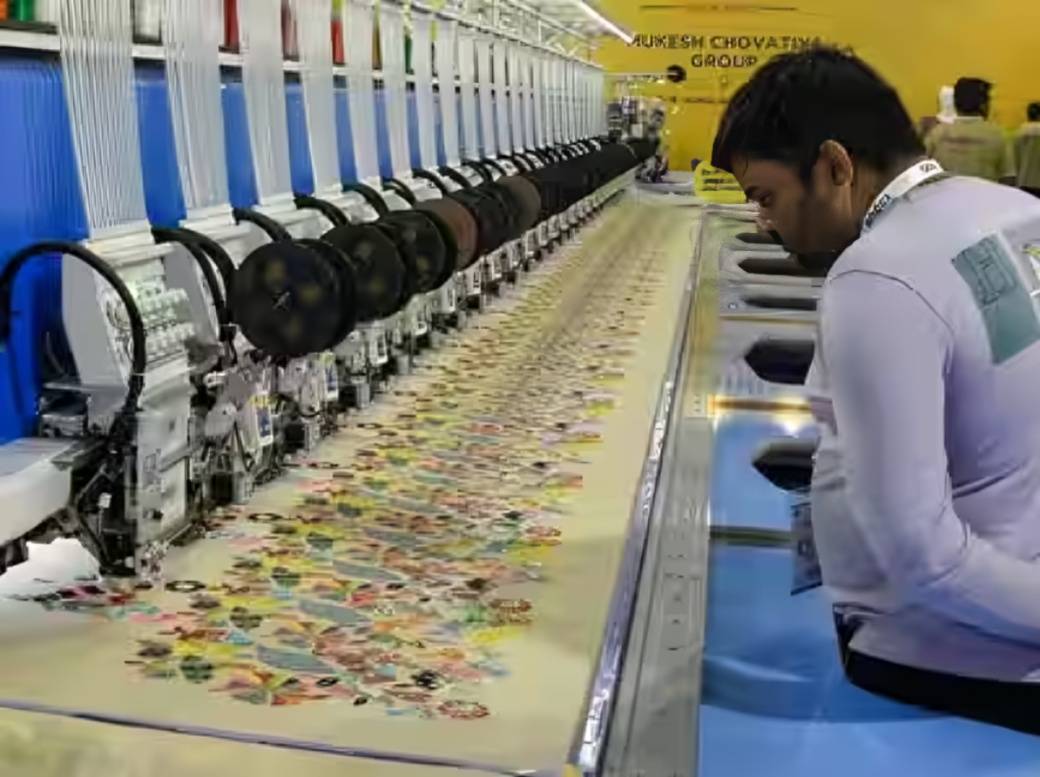
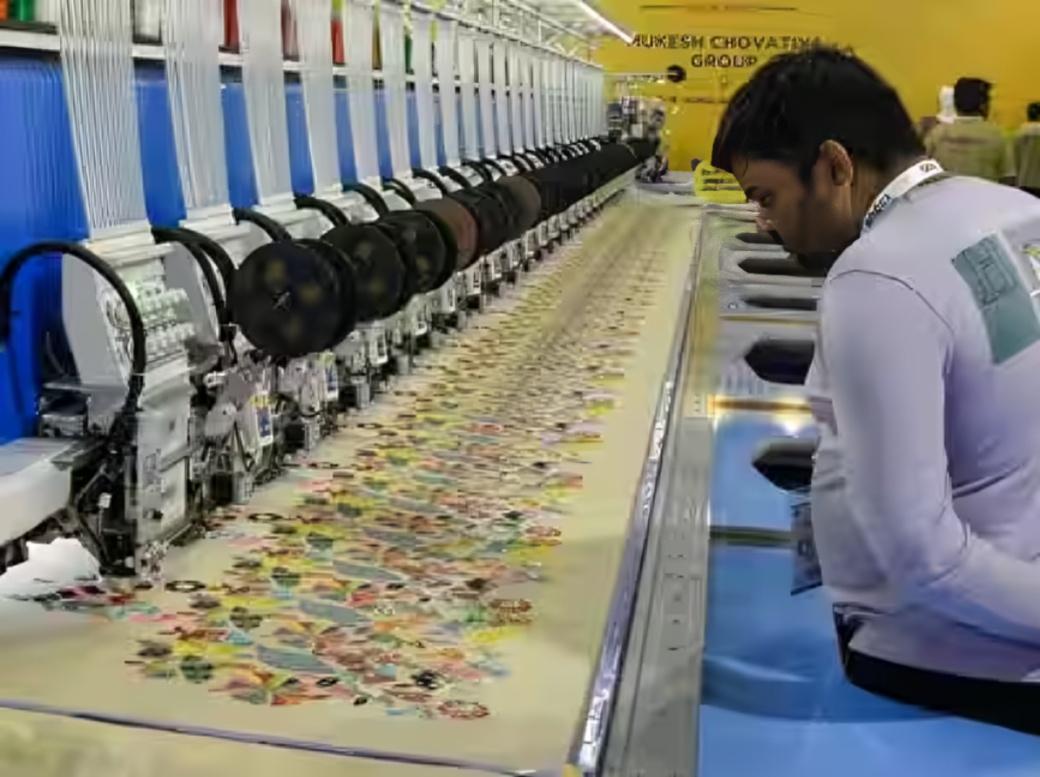
The industry includes cotton production, spinning, weaving, fabric processing, garment manufacturing, technical textiles and other related activities.
Expanding the industry from its estimated current value of 190 to 200 billion dollars to 350 billion dollars by FY31 would require substantial improvements across the textile value chain.
Investment in modern manufacturing facilities, workforce development, technology adoption and supply chain efficiency could support this expansion.
Growth in domestic consumption and international demand could also contribute to achieving the overall industry target.
However, reaching the proposed export milestone would depend on India’s ability to compete effectively with other major textile and apparel manufacturing countries.
Improving Factory Productivity Remains Essential
The BCG-CII report highlights factory productivity as an important factor in strengthening India’s textile export competitiveness.
Improved manufacturing efficiency could help companies reduce production costs, maintain consistent product quality and fulfil international orders within shorter delivery periods.
Modern machinery, digital production management systems and improved workforce training could contribute to better operational performance.
Indian garment manufacturers could also benefit from adopting efficient inventory management practices and strengthening coordination between textile producers and apparel manufacturing units.
Greater productivity could help businesses respond more effectively to changing international consumer preferences and seasonal demand.
These improvements would be particularly important for manufacturers seeking long-term partnerships with international fashion brands and retail companies.
Expanding Into New International Markets
Accessing new international markets represents another opportunity for India’s textile and apparel industry.
Indian exporters could strengthen their presence in established markets while exploring emerging regions with growing demand for clothing and textile products.
International trade agreements, competitive pricing and compliance with overseas product standards could influence the ability of Indian manufacturers to secure additional export orders.
Manufacturers may also benefit from diversifying their customer base and developing products suited to different regional preferences.
Expanding into higher-value apparel categories could help India increase export earnings while reducing dependence on traditional textile products.
The success of these efforts would depend on market conditions, trade policies and the ability of Indian manufacturers to meet international buyer requirements.
Technology and Sustainability Could Strengthen Competitiveness
Technology adoption and environmentally responsible manufacturing are becoming increasingly important in the global textile and apparel industry.
International buyers are placing greater emphasis on supply chain transparency, responsible sourcing, energy efficiency and environmental compliance.
Indian textile manufacturers could strengthen their competitiveness by investing in sustainable production methods, efficient water management and energy-saving technologies.
Digital tools could also improve product traceability, manufacturing planning and quality control.
These developments may help Indian businesses meet international compliance requirements and establish stronger relationships with global apparel brands.
Workforce training and technical skill development will also remain important as manufacturers adopt advanced production technologies.
Textile Industry Growth Could Support Employment
The textiles and apparel sector is an important source of employment across India, particularly in manufacturing clusters and regions with established garment production facilities.
Expansion in finished garment manufacturing could create additional employment opportunities in production, quality control, logistics, design and related services.
Small and medium-sized enterprises could also benefit from increased demand for fabrics, accessories, packaging materials and manufacturing support services.
Textile-producing states, including Tamil Nadu, Gujarat and Maharashtra, could potentially benefit from broader industry expansion.
However, the actual employment impact would depend on investment levels, production capacity, market demand and the adoption of manufacturing technologies.
Challenges in Achieving the Export Target
Achieving textile exports worth 100 billion dollars by FY31 would require sustained growth and coordinated efforts across the industry.
The report indicates that annual export growth exceeding 20 per cent would be necessary to reach the proposed milestone.
Indian manufacturers may face challenges related to international competition, raw material prices, logistics costs, changing trade policies and fluctuating global demand.
Maintaining consistent product quality and meeting international delivery schedules will also remain essential.
Strengthening manufacturing infrastructure, improving productivity and expanding market access could help address some of these challenges.
The BCG-CII report presents apparel manufacturing as a significant opportunity for India to increase its share of global textile trade. Whether the country achieves its FY31 export target will depend on industry performance, investment, policy support and international market conditions over the coming years.
Key Findings of the BCG-CII Report
| Category | Details |
| Current Textile and Apparel Industry Size | 190 to 200 billion dollars |
| Industry Target by FY31 | 350 billion dollars |
| Export Target by FY31 | 100 billion dollars |
| Required Annual Export Growth | More than 20 per cent |
| India’s Global Textile Export Share | More than 6 per cent |
| India’s Global Garment Export Share | 3 to 4 per cent |
| Potential Apparel Market Share Increase | 2 to 3 percentage points |
| Potential Additional Export Revenue | 10 to 15 billion dollars |
| Report Organisations | Boston Consulting Group and Confederation of Indian Industry |
| Target Financial Year | 2030-31 |