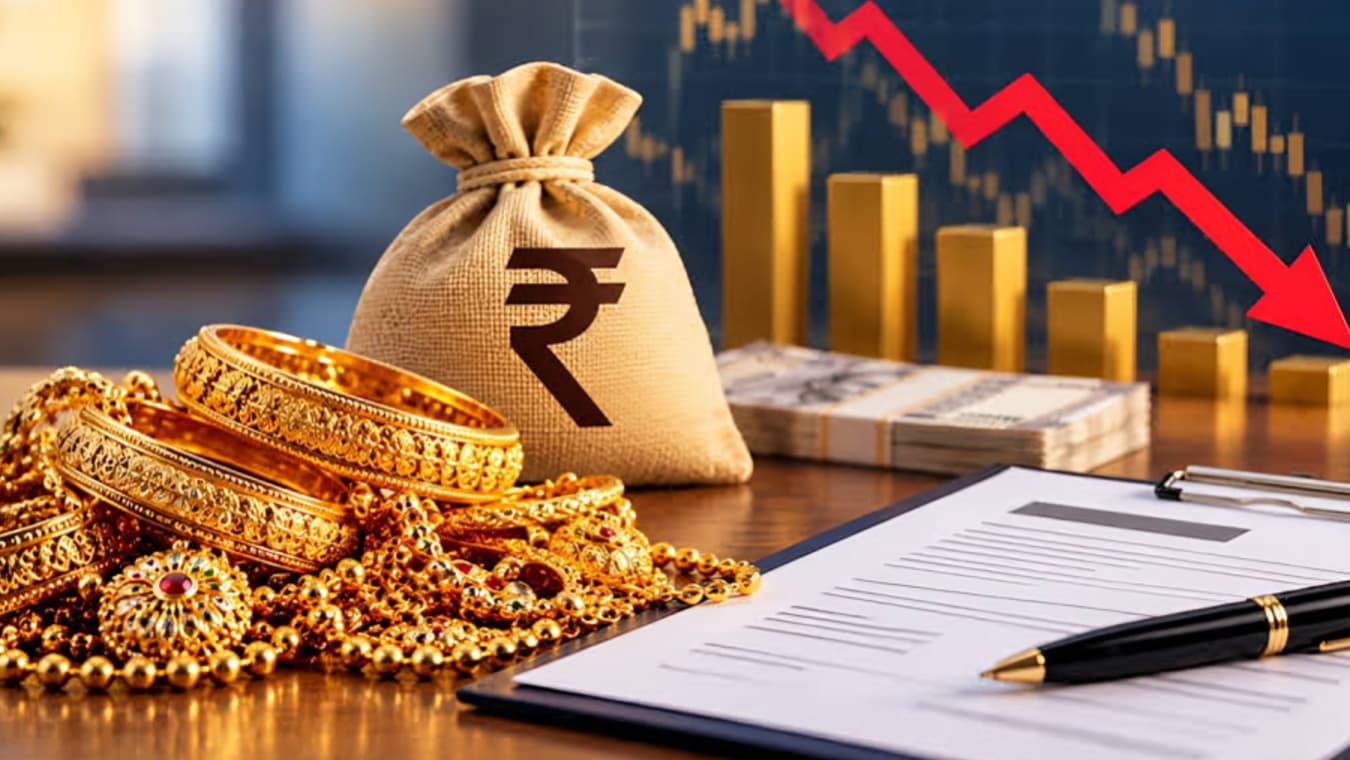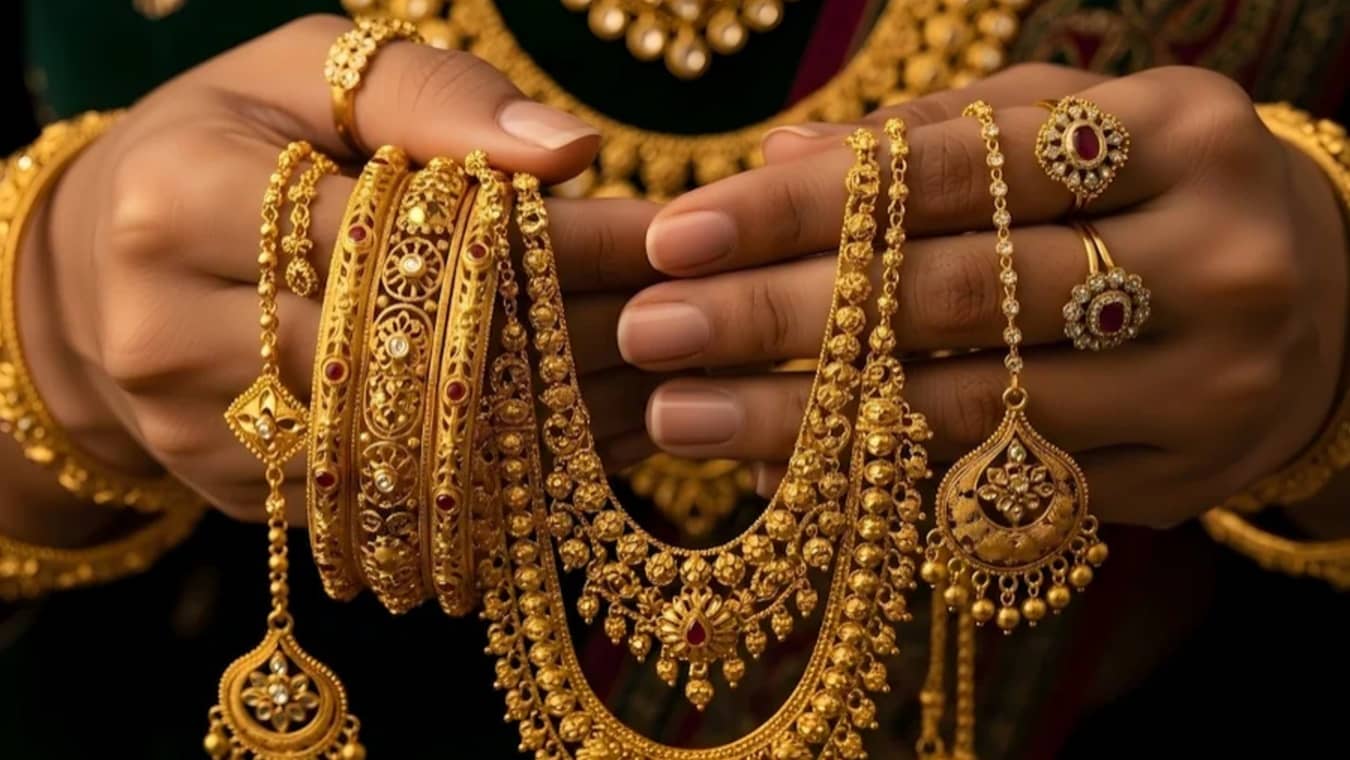
India’s gold demand is expected to decline to its lowest level in six years during 2026, as elevated prices continue to affect jewellery purchases and investment activity. According to the World Gold Council (WGC), annual gold demand in India is projected to reach approximately 650 metric tonnes, the lowest level since 2020, when the COVID-19 pandemic disrupted retail jewellery sales.
The outlook reflects changing consumer behaviour in one of the world's largest gold-consuming markets. Although gold continues to hold cultural and investment importance in India, high prices have made purchases more expensive for households. Consumers are becoming increasingly cautious, particularly when buying jewellery for weddings, festivals and other occasions.
Gold demand falls sharply in September quarter
India's gold demand declined 29 per cent year-on-year to 162.5 tonnes in the September quarter, according to World Gold Council India chief executive Sachin Jain.
Jewellery demand fell 20 per cent during the quarter, reflecting the impact of elevated prices on household purchases. Investment demand also weakened, declining 40 per cent compared with the corresponding period last year.
The decline indicates that both major segments of India's gold market are facing pressure. Jewellery buyers are reducing or postponing purchases, while investors are showing greater caution after significant movements in gold prices.
The December quarter could see some improvement because of the festive and wedding seasons. Diwali and the traditional wedding period generally encourage gold
High prices and rural economic weakness affect buyers
Gold prices have remained elevated, increasing the cost of purchasing jewellery and gold coins. This has affected demand among households that traditionally buy gold during important family and religious occasions.
Rural consumers are particularly important to India's gold market, accounting for more than half of total demand. Gold jewellery is widely regarded in rural communities as a form of household wealth and financial security.
However, the 2026 monsoon brought its lowest rainfall in more than a decade, according to the WGC report cited by Reuters. Reduced agricultural output and lower farm incomes have affected purchasing capacity in rural areas.
Higher living costs following the Iran war have also added pressure on household budgets. These factors have made consumers more selective about discretionary spending, including gold purchases.
Higher import duty encourages unofficial gold inflows
Alongside weaker consumer demand, India's gold market is facing another challenge: an increase in illegal gold imports.
The government raised the import duty on gold from 6 per cent to 15 per cent in May 2026. The higher duty increased the cost of importing gold through official channels and widened the price difference between legally imported and unofficially sourced gold.
A Reuters report published in June said the tariff increase was encouraging a revival in gold smuggling. Industry officials and bullion dealers estimated that illegal imports could exceed 100 metric tonnes in 2026.
The report also highlighted substantial discounts in the grey market, making smuggled gold more attractive to some buyers and traders. Such activity can put pressure on legitimate bullion dealers, banks and refiners while reducing government revenue.
The Times of India reported in September that illegally sourced gold was being offered at discounts of up to Rs 8,000 per 10 grams. Industry estimates cited in that report also suggested that more than 100 tonnes could enter India through illegal channels during the year. These are industry estimates, not a confirmed final figure.
Impact on the official gold market
A rise in unofficial imports creates challenges for the organised gold trade. Legitimate importers must pay applicable duties and comply with regulatory requirements, while illegally sourced gold can enter the market at lower prices.
This price difference can affect the competitiveness of authorised dealers and reduce the volume of gold entering through official channels. It can also make it more difficult for authorities to monitor the movement of gold and collect import-related taxes.
The increase in unofficial inflows comes at a time when India's overall gold demand is already under pressure. Lower official imports, weaker jewellery purchases and changing investment patterns are reshaping the country's bullion market.
What to expect in the coming months
The December quarter will be important for India's gold market because festivals and weddings traditionally support demand. However, the extent of the recovery will depend on domestic prices, rural purchasing power and consumer confidence.
If prices remain high, buyers may continue to reduce the quantity of gold purchased or postpone purchases. A recovery in agricultural incomes could support rural demand, but the effects of the weak monsoon may continue to weigh on spending.
The World Gold Council's projection of around 650 tonnes for 2026 highlights the pressure facing India's gold industry. The combination of expensive gold, weaker jewellery demand, moderated investment purchases and increased unofficial imports has created a challenging environment for the market.
The coming months will show whether seasonal buying can provide enough support to prevent annual demand from reaching its lowest level since 2020.