Nuclear War, US Economic Collapse: ‘America’s Nostradamus’ Warns the Next Two Years Could Change Everything
John Hogue, a writer and researcher known for his interpretations of the prophecies of French astrologer Nostradamus, has made a series of alarming predictions about global conflict and the future of the United States. Hogue, often described as “America’s Nostradamus,” believes that the period leading up to 2028 could bring heightened nuclear risks, a prolonged international war and a major decline in American economic power.
His claims have attracted attention amid continuing geopolitical tensions. However, these scenarios are based on his personal interpretations of historical writings and current events. They should not be treated as established predictions or evidence that a global catastrophe is inevitable.
Who Is John Hogue, Known as America’s Nostradamus?
John Hogue is an author who has spent decades studying the writings of Nostradamus, the 16th-century French astrologer whose cryptic verses have been interpreted in connection with numerous historical and political events.
Hogue has written books examining Nostradamus’s prophecies and their possible relevance to modern international affairs. He combines his reading of these historical texts with his interpretation of political developments, military tensions and economic trends.
The nickname “America’s Nostradamus” reflects his reputation among readers interested in prophecy. It does not mean that his predictions have been scientifically validated or that he can reliably forecast future events.
Why Is Hogue Warning About a Possible Nuclear War?
One of Hogue’s principal concerns is the possibility that tensions between the United States and Iran could escalate into a wider military confrontation.
He has suggested that a potential American nuclear strike against Iranian targets could trigger retaliation and draw additional countries into the conflict. In his scenario, attacks on military forces and naval assets could expand the confrontation beyond the Middle East.
Hogue has also warned that a prolonged conventional war could place enormous pressure on Western military resources. He argues that the depletion of conventional weapons stockpiles could increase the danger of further escalation.
These claims represent his assessment of a possible chain of events. His reported estimate that US President Donald Trump is equally likely to order a nuclear strike is not supported by independently verified evidence establishing such an intention.
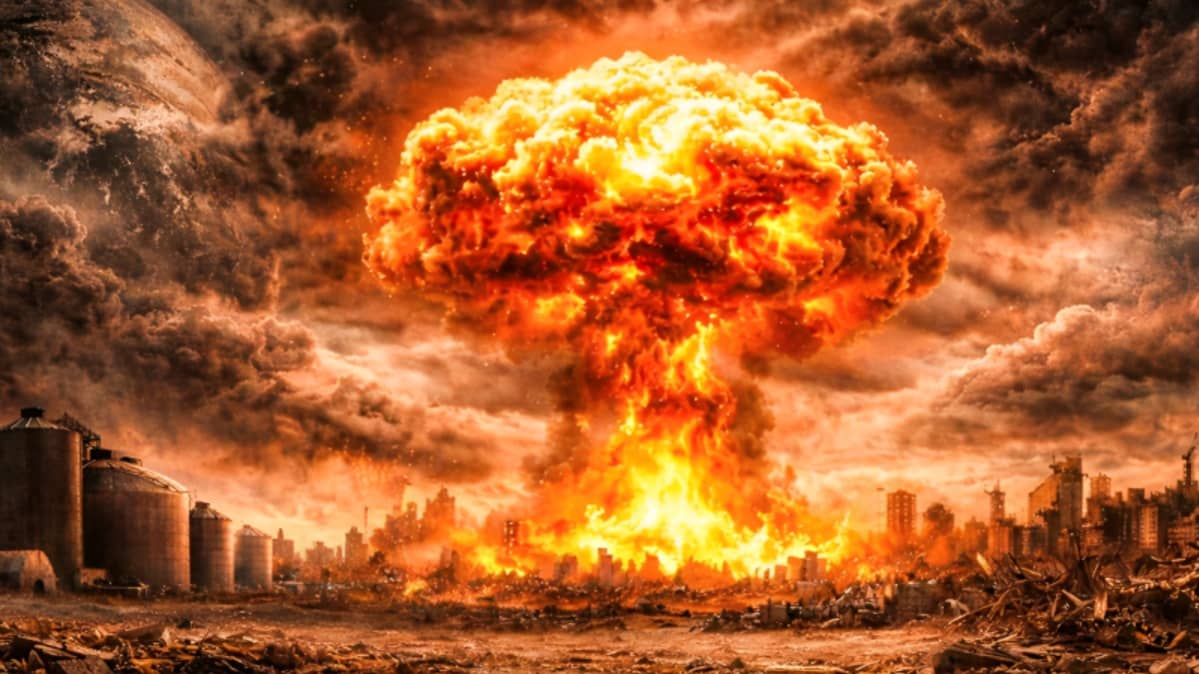
A nuclear conflict would have devastating humanitarian, environmental and economic consequences. Nevertheless, the possibility of escalation must be assessed through credible intelligence, military analysis and diplomatic developments rather than prophecy alone.
The Nostradamus Interpretation Behind the 27-Year War Prediction
Another striking element of Hogue’s forecast is his claim that the world could experience a conflict lasting 27 years.
His interpretation centres on a mysterious figure called “Mabus” in readings of Nostradamus’s writings. Hogue associates this name with Saudi Crown Prince Mohammed bin Salman, commonly known as MBS.
He speculates that the sudden death of the figure he identifies as Mabus could trigger a prolonged period of international violence. His scenario includes the possibility of a wider war that could eventually involve nuclear weapons and severely damage energy infrastructure across Western Asia.
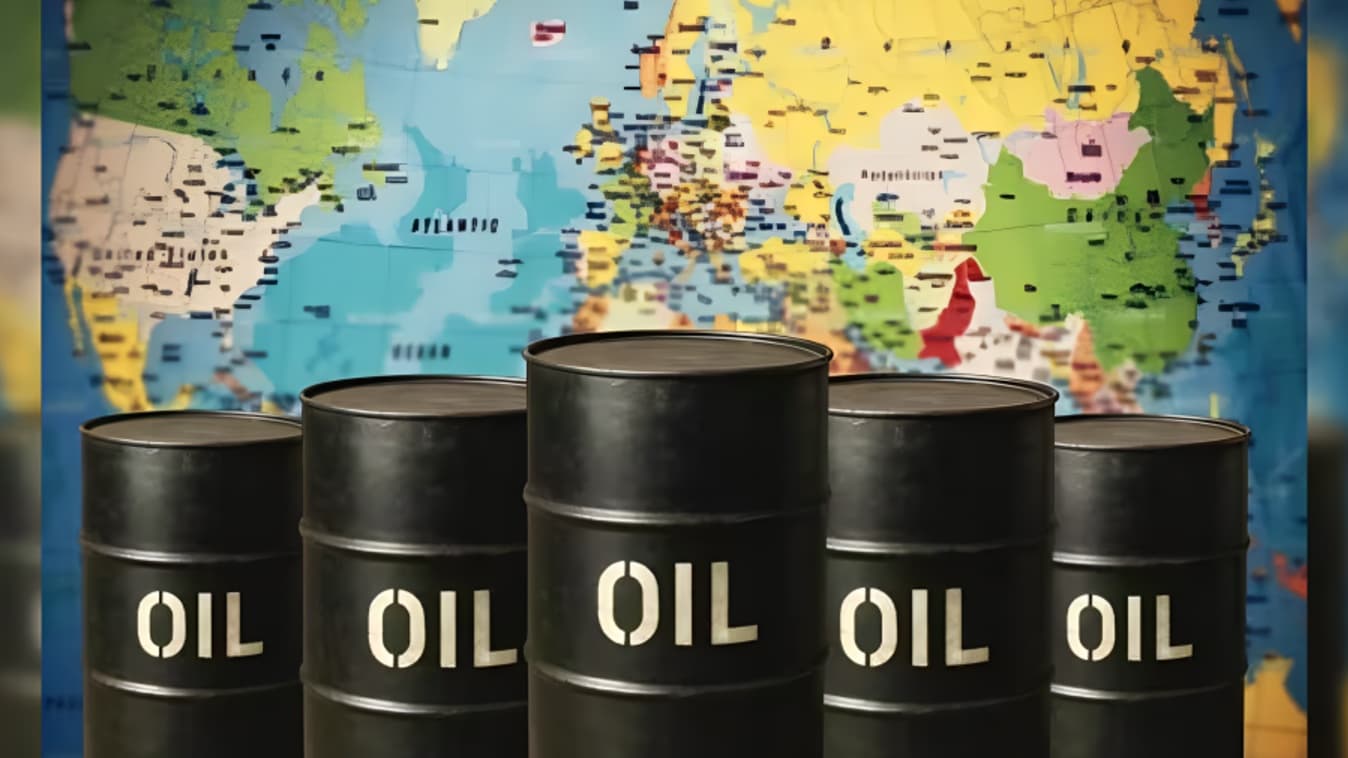
Hogue has warned that extensive damage to oil and natural gas facilities could disrupt global energy supplies, increase economic uncertainty and create long-term shortages.
However, identifying Mabus with the Saudi crown prince is Hogue’s own interpretation. There is no verified evidence that Nostradamus’s writings accurately predict such an event or that the death of a particular political leader would trigger a 27-year global war.
Could Tensions Between Russia and NATO Lead to a Wider Conflict?
Hogue has also expressed concern about the possibility of direct military confrontation between Russia and NATO.
He argues that deeper Western involvement in the war in Ukraine could prompt Russian retaliation against military facilities and weapons production sites in Europe. In his most alarming scenario, such attacks could lead to further escalation, including the possible use of tactical nuclear weapons.
The risk of military miscalculation between nuclear-armed powers is a genuine international security concern. However, the specific sequence of attacks and escalation described in Hogue’s predictions remains hypothetical.
Diplomatic engagement, military communication and efforts to prevent direct confrontation remain important factors in reducing the risk of a wider war.
Why Does Hogue Predict a US Economic Collapse by 2028?
Beyond military conflict, Hogue predicts a major economic and political crisis in the United States by September 2028.
He describes the period from September 2026 to September 2028 as a significant cycle that he calls “Shofar Silence.” According to his interpretation, the United States could face rising fuel costs, inflation, energy shortages and mounting financial pressure during this period.
Hogue also points to the national debt, political divisions and uncertainty over American global leadership as factors that could weaken the country’s position.
He has predicted that American global dominance could suffer a decisive collapse by September 11, 2028. This is his forecast, not an established economic outlook.
The US economy faces real challenges that economists assess using indicators such as inflation, employment, government borrowing, productivity and financial market conditions. These indicators can help identify risks, but they do not establish that an economic collapse will occur on a specific date.
Are These Predictions Likely to Come True?
There is no reliable scientific method for using Nostradamus’s ambiguous verses to predict a nuclear war or the collapse of a modern economy by a precise deadline.
Historical prophecies are often interpreted retrospectively, with readers connecting broad descriptions to events after they occur. Different interpreters may also reach very different conclusions from the same passages.
Hogue has presented his warnings as a reason for humanity to reconsider the consequences of conflict and choose peace. Nevertheless, readers should distinguish his personal views from independently verified information about international security and economic conditions.
Conclusion
John Hogue’s predictions have renewed discussion about nuclear risks, geopolitical tensions and the future of American economic power. His warnings include a possible confrontation involving Iran, a prolonged global conflict and a major decline in US influence by 2028.
Although these scenarios are dramatic, they remain speculative interpretations rather than confirmed forecasts. The actual course of international affairs will depend on political decisions, military developments, economic conditions and diplomatic efforts.
For readers, the most important distinction is between genuine global risks that deserve serious attention and predictions that have not been substantiated by reliable evidence.