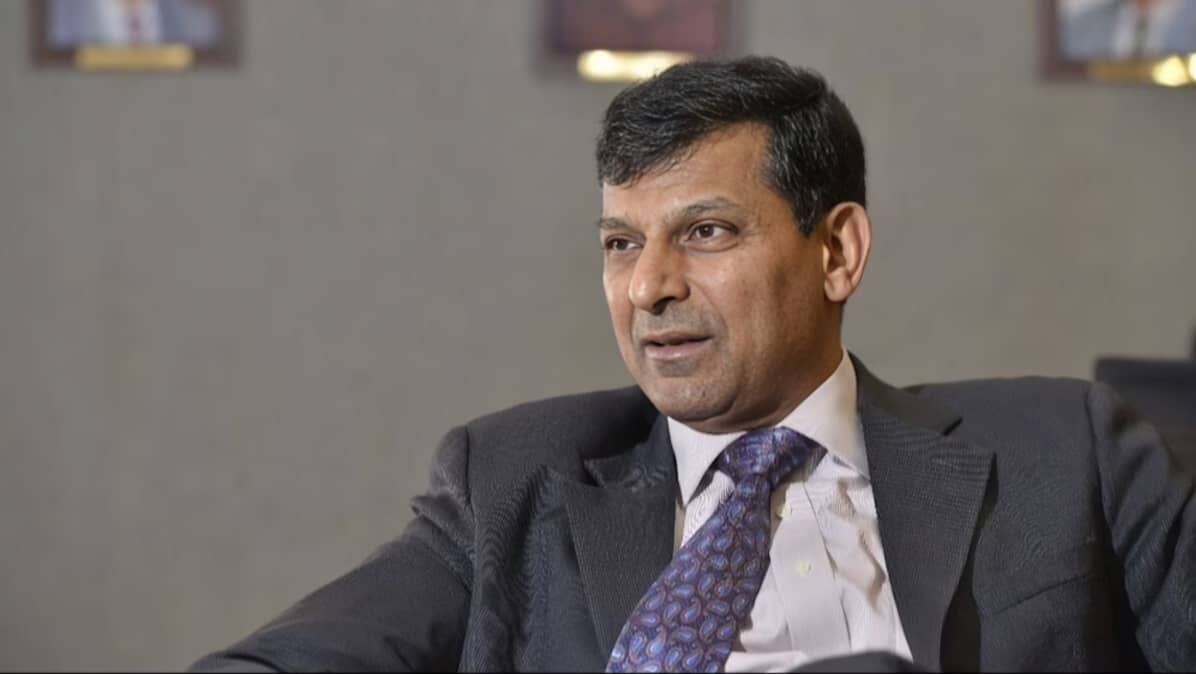
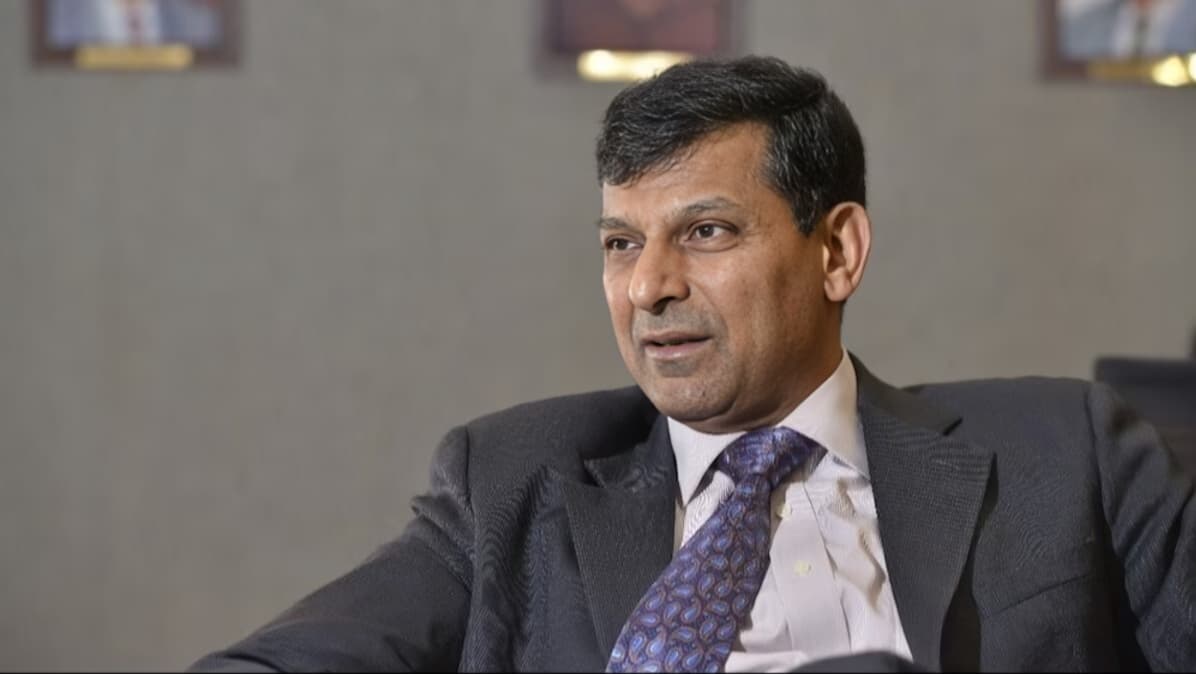
Raghuram Rajan Urges India to Avoid Excessive Forex Reserve Spending to Defend Rupee
Former Reserve Bank of India Governor Raghuram Rajan has cautioned Indian policymakers against using excessive foreign exchange reserves to defend the rupee at a particular exchange rate. With the Indian currency facing sustained pressure from high crude oil prices and foreign investment outflows, Rajan has emphasised the importance of prudent reserve management rather than panic-driven intervention.
In an interview with Reuters on October 27, 2026, Rajan said India should not exhaust its foreign exchange reserves while attempting to prevent the rupee from weakening. He advised policymakers to assess the currency's movement in a broader historical and economic context instead of reacting excessively to short-term market fluctuations.
The rupee has lost approximately 6 percent of its value in 2026, making it one of Asia's weaker-performing currencies. Its depreciation has raised concerns about India's import costs, inflation outlook and the sustainability of repeated interventions in the foreign exchange market.
Why Is the Indian Rupee Under Pressure?
Several domestic and international factors have contributed to the rupee's weakness. Elevated crude oil prices remain a major concern because India imports a substantial proportion of its oil requirements. When international oil prices increase, the country's import bill rises, creating additional demand for US dollars.
This greater demand for dollars can put further pressure on the rupee. Higher energy costs can also affect transportation, manufacturing and other industries, potentially increasing prices for consumers and businesses.
Foreign investment outflows have added to the pressure. When international investors withdraw funds from Indian equity markets, they may convert their rupee holdings into foreign currencies, increasing demand for dollars. Changes in global investment sentiment and rising US Treasury yields can also make dollar-denominated assets more attractive to international investors.
These factors have created challenges for the Indian currency and prompted the Reserve Bank of India to intervene in the foreign exchange market. The central bank has sold dollars and used currency transactions to help manage volatility and reduce pressure on the rupee.
However, Rajan's comments highlight the limits of relying heavily on such interventions when the underlying economic pressures remain unresolved.
Why Rajan Wants Prudent Use of Forex Reserves
Foreign exchange reserves are an important financial safeguard for India. They help the country meet external payment obligations, support confidence in its economy and provide a buffer against sudden international financial shocks.
Central banks can sell foreign currency from their reserves to increase dollar supply in the domestic market and moderate sharp movements in the exchange rate. Such intervention can help prevent disorderly market conditions, particularly when currency movements become unusually rapid.
However, repeatedly selling dollars to defend a specific exchange rate can reduce available reserves over time. If external pressures continue, the central bank may have to spend additional resources without permanently changing the factors driving the currency's depreciation.
Rajan has therefore argued against defending the rupee at any cost. His position does not necessarily mean that the RBI should stop intervening altogether. Instead, it highlights the importance of distinguishing between managing excessive volatility and attempting to maintain a particular exchange rate regardless of market conditions.
A flexible approach could allow the currency to adjust gradually while preserving reserves for periods of greater financial stress.
Could a Weaker Rupee Benefit Indian Exports?
Currency depreciation can have both advantages and disadvantages for an economy. When the rupee weakens against the US dollar, Indian goods and services may become less expensive for overseas buyers when priced in foreign currency.
This can potentially improve the competitiveness of Indian exporters and support export revenues. Businesses that earn a substantial portion of their income in foreign currencies may also benefit when those earnings are converted into rupees.
However, the benefits depend on the structure of the export sector and the cost of imported inputs. Indian manufacturers that rely on imported machinery, electronic components, fuel or raw materials may face higher production costs when the rupee depreciates.
A weaker currency can also increase the rupee cost of servicing foreign-currency debt. Import-dependent businesses and companies with substantial overseas payment obligations may therefore face additional financial pressure.
For these reasons, currency depreciation does not automatically improve the overall economic position of a country. The pace of depreciation, inflation conditions and the economy's dependence on imports all influence its final impact.
RBI Faces a Difficult Policy Balance
The Reserve Bank of India faces the challenge of maintaining orderly currency market conditions without allowing foreign exchange reserves to decline unnecessarily.
The RBI has several tools available, including spot dollar sales, currency swaps, measures affecting foreign exchange transactions and policies designed to attract foreign currency inflows. Each measure has different effects on market liquidity, borrowing conditions and the availability of foreign currency.
According to recent reporting, estimates by economists and foreign exchange market participants suggest that the RBI has used substantial resources to support the rupee. These estimates are based on reserve movements and market transactions rather than a complete official disclosure of intervention costs.
India's foreign exchange reserves remain an important buffer, but their use must be balanced against the possibility of further external shocks. A prolonged period of high oil prices or continued foreign capital outflows could create additional pressure.
Rajan's warning underlines the need for policymakers to consider the long-term sustainability of currency intervention rather than focusing exclusively on short-term exchange rate movements.
Impact on Inflation and the Current Account Deficit
The rupee's exchange rate also has implications for inflation and India's external balance. A weaker rupee makes imported goods more expensive when their prices are denominated in foreign currencies.
Higher crude oil prices combined with currency depreciation can increase the domestic cost of energy imports. This may affect fuel, transport, manufacturing and food distribution costs, depending on how businesses pass on their expenses.
If India's import bill rises faster than its export earnings, the current account deficit may widen. A larger deficit can increase the country's need for foreign capital and make the economy more sensitive to changes in global investor sentiment.
Rajan has also warned that elevated oil prices could worsen India's current account position. Renewed geopolitical tensions affecting energy supplies could intensify these challenges for oil-importing economies.
Policymakers must therefore monitor the combined effects of oil prices, currency movements, inflation and capital flows when deciding how to respond to rupee weakness.
What Could Happen Next?
The future direction of the rupee will depend on several factors, including international oil prices, US interest rate expectations, foreign investment flows and domestic economic conditions.
If oil prices ease and foreign capital inflows improve, pressure on the currency could moderate. However, persistent external risks may continue to challenge the rupee and require the RBI to manage market volatility carefully.
Rajan's comments encourage a measured approach that recognises both the benefits and the costs of intervention. Allowing an orderly currency adjustment could help preserve foreign exchange reserves, while carefully targeted action may still be appropriate during periods of excessive volatility.
For India, the central policy question is not simply whether the rupee should weaken or strengthen. It is how to manage currency movements without creating unnecessary financial risks or compromising the country's ability to respond to future shocks.
The debate over rupee intervention is therefore likely to remain important as policymakers balance currency stability, inflation control, export competitiveness and the need to maintain adequate foreign exchange reserves.