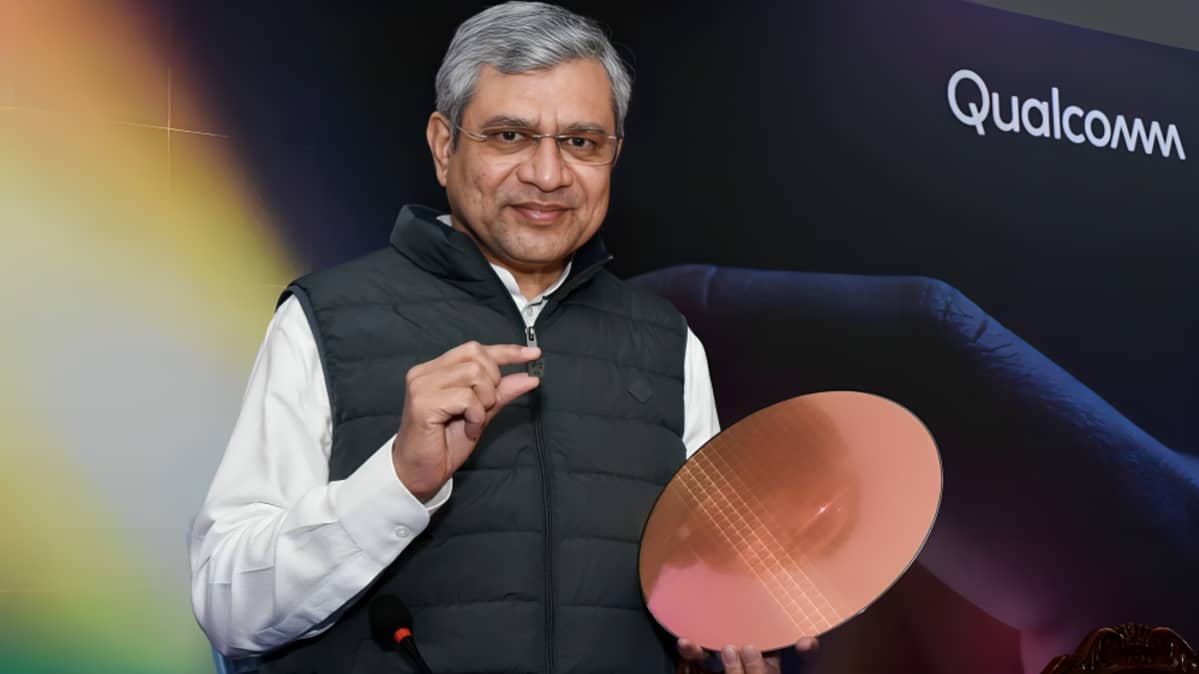
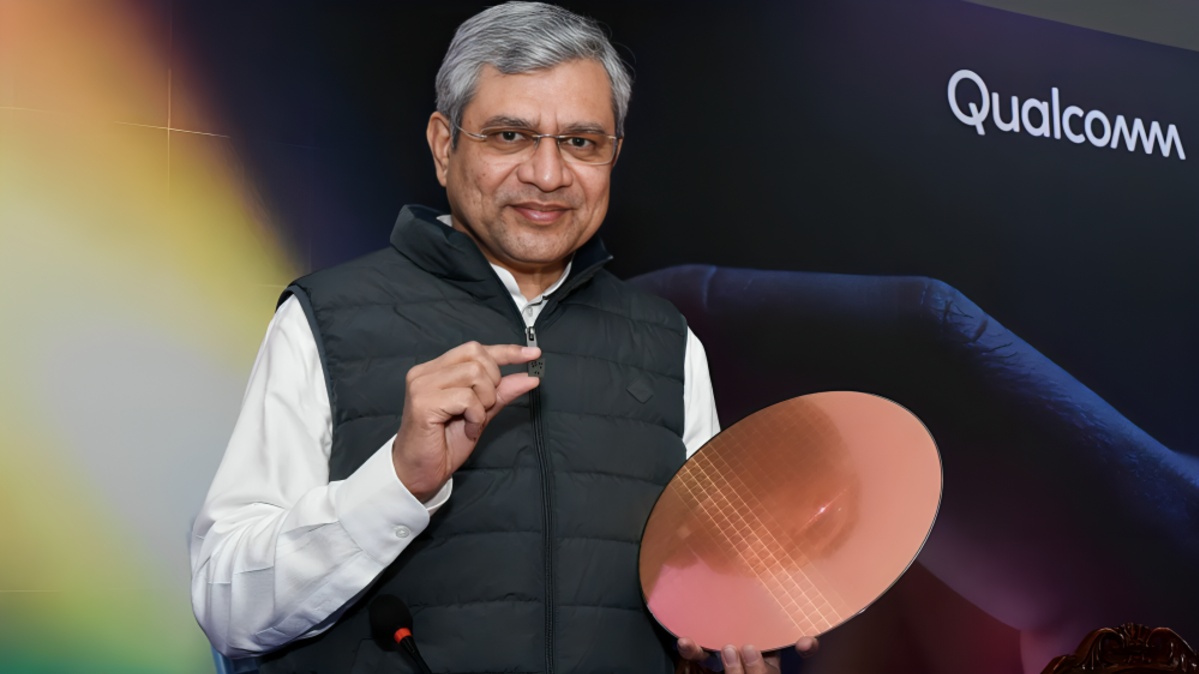
India is stepping up its semiconductor ambitions with Semicon 2.0, a major government programme aimed at developing a complete and globally competitive semiconductor ecosystem. Union Minister for Electronics and Information Technology Ashwini Vaishnaw has said India should build such strong capabilities that the world can increasingly depend on the country as an important part of the global semiconductor supply chain.
The Union Cabinet approved Semicon 2.0 in July 2026 with a total outlay of Rs 1,27,500 crore. The programme builds on the foundation created by the earlier Semicon India Programme and expands government support across the semiconductor value chain.
Vaishnaw has explained that semiconductors are a foundational industry because chips are essential for a wide range of products and technologies. Modern automobiles, smartphones, telecommunications equipment, medical devices, aerospace systems, drones and artificial intelligence infrastructure all depend on semiconductor components.
The minister's vision goes beyond simply manufacturing chips inside India. Semicon 2.0 is designed to create a wider ecosystem that includes chip design, semiconductor manufacturing facilities, advanced packaging, semiconductor equipment and materials, research and development, and skilled manpower.
One of the programme's central objectives is to strengthen India's position in chip design. According to the government, 105 startups are already working on chip development. Semicon 2.0 aims to expand this design ecosystem further and encourage the development of intellectual property, semiconductor designs and systems within India.
Another important area is semiconductor equipment and materials. Chip manufacturing requires highly specialised machinery, chemicals, industrial gases and other materials. The new programme seeks to encourage companies to manufacture these inputs domestically, reducing dependence on imported components and creating opportunities for precision manufacturing in India.
Fabrication facilities, commonly known as fabs, form another pillar of the programme. Government policy is designed to attract additional manufacturers to establish facilities in India for different types of semiconductors, including silicon, compound semiconductor, discrete component and display fabrication. The government has said the first semiconductor fabrication facility supported under the programme is expected to be commissioned in 2028.
Advanced packaging is also receiving significant attention. Semiconductor packaging protects chips and enables them to connect with electronic systems. India is seeking to expand its ATMP and OSAT capabilities so that more stages of semiconductor production can take place domestically rather than relying on overseas facilities.
Research and development represent another major component of Semicon 2.0. The government wants Indian companies, research institutions and startups to participate more actively in developing semiconductor technologies rather than concentrating only on assembly or manufacturing.
Talent development is equally important because semiconductor manufacturing and design require highly specialised engineering and scientific skills. Semicon 2.0 therefore includes support for developing a skilled workforce that can meet the demands of India's growing semiconductor ecosystem.
The programme comes at a time when governments around the world are seeking greater resilience in semiconductor supply chains. Disruptions during the Covid pandemic demonstrated how shortages of critical chips can affect automobile production, consumer electronics and industrial activity.
The semiconductor industry has also become strategically important because chips are essential for artificial intelligence, defence technologies, telecommunications, electric vehicles and other advanced sectors. Building domestic capacity can therefore provide both economic and strategic advantages.
India has already made progress under the first phase of its semiconductor programme. Government data released in August 2026 states that 12 semiconductor projects have been approved across six states with committed investments exceeding Rs 1.64 lakh crore. Three facilities have already commenced commercial production, marking a transition from policy planning to actual manufacturing activity. (pib.gov.in)
These projects cover areas including silicon and compound semiconductor fabrication, display manufacturing and advanced packaging. The facilities are expected to supply components to sectors such as automobiles, telecommunications, aerospace, power electronics and consumer electronics.
Vaishnaw's broader argument is that India should not become dependent on foreign suppliers for critical technology components. Instead, the country should establish capabilities across the full semiconductor value chain and become a trusted global manufacturing and design partner.
This approach is particularly relevant as companies seek to diversify supply chains geographically. India is attempting to position itself as an alternative location for semiconductor investments by combining government incentives, a large domestic electronics market, engineering talent and growing manufacturing capabilities.
Semicon 2.0 is intended to strengthen this effort by supporting not only large semiconductor plants but also the companies that supply equipment, materials, chemicals and specialised services to those facilities. This could create opportunities for Indian small and medium sized enterprises to become part of international semiconductor supply chains.
The government also expects the semiconductor push to increase domestic value addition. As more electronic components are manufactured locally, a larger share of the economic value generated by the electronics industry could remain within India.
The programme has an employment dimension as well. Semiconductor manufacturing and associated industries require engineers, technicians, researchers, equipment specialists and other highly skilled workers. Expansion of the ecosystem could therefore create opportunities for high value employment and encourage further investment in technical education and research.
India's semiconductor strategy is also closely linked to its ambitions in artificial intelligence. Advanced AI systems require increasingly powerful processors and specialised chips. The government has therefore been pursuing semiconductor development alongside the IndiaAI Mission to build broader technological capabilities.
The global semiconductor market is highly competitive, however. Establishing a complete ecosystem requires significant capital, sophisticated technology, reliable infrastructure, skilled workers and long term partnerships with global companies.
India's challenge will therefore be to convert policy support and investment commitments into sustained commercial production and globally competitive products. The success of Semicon 2.0 will depend not only on building facilities but also on integrating Indian companies into international supply chains.
The government's latest strategy reflects a shift from focusing primarily on attracting individual semiconductor projects to developing an integrated ecosystem. This includes design, manufacturing, packaging, equipment, materials, research and talent development.
India is also preparing to host Semicon India 2026 in September. According to SEMI, the event will bring together global semiconductor companies, manufacturers, suppliers and technology experts and will showcase India's progress towards a complete semiconductor value chain.
The event is expected to provide another platform for India to attract investment and promote partnerships with international semiconductor companies.
Vaishnaw's statement that the world should be able to depend more on India represents the broader strategic objective behind the government's semiconductor policy. The aim is not simply to meet domestic demand but to make India an important contributor to the global technology ecosystem.
The policy also fits into India's larger goal of technological self reliance. By developing domestic capabilities in semiconductors, the country hopes to reduce supply chain vulnerabilities while creating new opportunities in advanced manufacturing, research and innovation.
For Indian businesses, the expansion of the semiconductor sector could create opportunities beyond chip fabrication. Suppliers of specialised chemicals, gases, equipment, packaging materials, testing services and industrial systems could become part of the emerging ecosystem.
For startups and universities, the increased focus on chip design and research could create new opportunities to develop intellectual property and specialised semiconductor technologies.
For consumers, the effects may not be immediate, but a stronger domestic semiconductor ecosystem could eventually contribute to greater resilience in the supply of electronics and other technology products.
The government has already committed substantial resources to the sector, while new projects are moving towards commercial production. Semicon 2.0 is expected to accelerate that momentum by broadening the support available across the entire value chain.
The long term objective is ambitious. India wants to evolve from a major consumer and electronics assembly destination into a country capable of designing, manufacturing, packaging and supplying advanced semiconductor products to the global market.
If investments, projects and talent development progress as planned, Semicon 2.0 could significantly strengthen India's position in the global semiconductor industry. The programme's success will ultimately be measured by commercial production, technological capability, domestic value addition and the ability of Indian companies to become reliable participants in global supply chains.
For now, the government's message is clear: semiconductor technology is being treated as a strategic industry, and Semicon 2.0 is designed to build the domestic capabilities needed to make India a significant global semiconductor hub.