Silver Prices Fall Nearly 3%: Why Are Prices Declining and What Does It Mean for Festive Buyers?
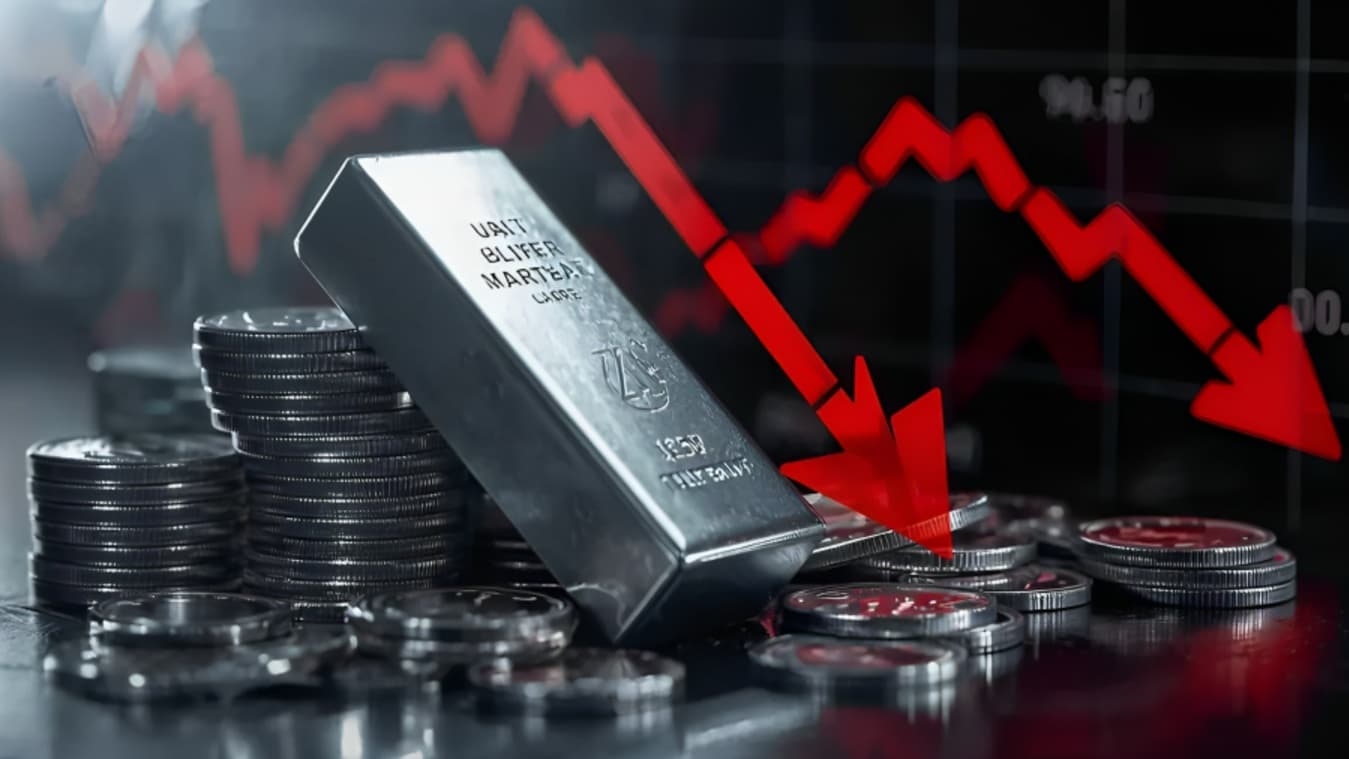
Silver prices have witnessed a sharp correction in the Indian market ahead of the festive season, bringing some relief to consumers who were waiting for lower rates. The precious metal has faced selling pressure in recent trading sessions, with a nearly 3% decline recorded during one of the recent market sessions.
The fall comes at a time when Indian households traditionally purchase silver coins, jewellery, utensils and other precious-metal products during Dhanteras and Diwali. While the correction could make silver more affordable for buyers, market uncertainty remains high.
Several global and domestic factors are contributing to the decline, including a stronger US dollar, rising crude oil prices, inflation concerns, expectations of higher interest rates and uncertainty surrounding industrial demand.
How Much Have Silver Prices Fallen?
Silver has experienced a significant correction from its record levels earlier in 2026. On October 23, MCX December silver futures declined by approximately 3.4%, or around ₹6,799 per kg, to trade at ₹1,92,800 per kg.
The metal had also fallen below the ₹2 lakh-per-kg mark, reflecting the pressure on domestic bullion prices. The decline followed a sharp correction over several trading sessions.
On October 30, MCX silver was trading at around ₹1,85,900 per kg at 11:45 am, down approximately 1.88% during the session. These figures represent futures-market prices at specific times and should not be treated as the final retail price of silver in every city.
Retail prices can vary depending on the purity of silver, local taxes, making charges, dealer margins and other costs.
Why Are Silver Prices Falling?
1. Stronger US Dollar
One of the major reasons behind the decline in silver prices is the strength of the US dollar.
Silver is internationally traded and priced in US dollars. When the dollar strengthens against other currencies, silver becomes more expensive for buyers using those currencies. This can reduce international demand and put downward pressure on prices.
A stronger dollar can also encourage investors to move towards dollar-denominated assets instead of precious metals.
India imports a substantial portion of its silver requirements. Therefore, movements in international silver prices and the rupee-dollar exchange rate can influence domestic prices.
2. Expectations of Higher US Interest Rates
Expectations surrounding US Federal Reserve interest-rate decisions are another important factor affecting silver.
Silver does not generate interest income. When interest rates rise or investors expect rates to remain elevated for a longer period, interest-bearing investments such as government bonds can become more attractive.
This increases the opportunity cost of holding precious metals.
Recent inflation concerns in the United States have strengthened expectations that the Federal Reserve may maintain a restrictive monetary policy or consider further rate increases.
Such expectations have weakened sentiment towards precious metals, including silver and gold.
3. Rising Crude Oil Prices and Inflation Concerns
Higher crude oil prices have added to uncertainty in global financial markets.
When oil prices rise sharply, transportation, manufacturing and production costs can increase. This may push inflation higher and complicate the decisions faced by central banks.
Investors are concerned that persistent inflation could prevent central banks from reducing interest rates quickly.
These concerns have contributed to selling pressure in precious metals. Although gold and silver are often considered safe-haven assets, expectations of higher interest rates and a stronger dollar can outweigh their traditional appeal during certain market conditions.
4. Concerns About Industrial Demand
Unlike gold, silver has significant industrial applications. It is used in solar panels, electronics, electrical equipment, automobiles and several manufacturing processes.
Therefore, silver prices are influenced not only by jewellery and investment demand but also by the outlook for industrial consumption.
China is one of the major consumers of silver for industrial purposes. Concerns about manufacturing activity and future demand from the Chinese economy have added to the negative sentiment.
The solar energy industry is another important area to watch. Manufacturers are looking at ways to reduce the amount of silver used in solar cells because of the metal's high cost.
Some manufacturers are adopting silver-thrifting techniques, while research into alternative materials, including copper, is also progressing.
If industrial demand weakens or manufacturers reduce their silver consumption, it could put additional pressure on prices.
5. Profit Booking and Market Volatility
Silver had witnessed a substantial rally earlier in 2026. Following the sharp rise, some investors may have decided to book profits when prices began showing signs of weakness.
Large price movements can also trigger additional selling in futures markets. When prices fall below important trading levels, some investors may reduce their positions to limit losses.
This can increase volatility and lead to sharper movements over a short period.
The combination of profit booking, changing interest-rate expectations and uncertainty about industrial demand has contributed to the recent correction.
How Will the Price Fall Affect Festive Buyers?
The decline in silver prices could offer some relief to Indian consumers preparing for the festive season.
Silver is traditionally purchased during Dhanteras and Diwali. Households buy silver coins, idols, utensils, jewellery and gift items as part of their celebrations.
When market prices decline, consumers may be able to purchase more silver within the same budget.
For example, a buyer planning to spend a fixed amount on silver coins or utensils may get a higher quantity if the retail price falls. However, the final benefit will depend on the local selling rate, product purity, taxes and additional charges.
The correction could also encourage consumers who had postponed their purchases because of elevated prices to reconsider buying during the festive period.
Silver Coins and Utensils May Become More Affordable
Silver coins and utensils are among the products commonly purchased during the festive season.
A decline in the underlying metal price can reduce the basic material cost of these products. However, the final retail price may not fall by exactly the same percentage as the futures-market price.
Buyers should check the purity, weight and applicable charges before making a purchase.
Jewellery Buyers Could Get Some Relief
Silver jewellery buyers may also benefit from lower raw-material prices.
However, making charges, design costs and retailer margins can influence the final price. Therefore, consumers should compare the total purchase cost rather than looking only at the quoted silver rate.
Will Silver Prices Fall Further?
The short-term outlook for silver remains uncertain.
Market participants are closely monitoring US inflation data, Federal Reserve policy signals, crude oil prices, the strength of the dollar and developments in industrial demand.
If inflation remains high and interest rates stay elevated, precious metals could continue to face pressure. A stronger dollar may also limit any recovery in international silver prices.
On the other hand, any improvement in industrial demand, easing inflation concerns or weakness in the dollar could provide support to silver.
The domestic market will also be influenced by the rupee-dollar exchange rate and changes in silver import availability.
India depends heavily on imported silver to meet domestic demand. The government recently issued permits for around 6,500 metric tonnes of silver imports over the next six months. This could help ease domestic supply constraints and premiums.
However, additional import availability does not automatically mean that retail prices will decline further. International prices, currency movements and local demand will continue to influence the market.
Should Consumers Buy Silver Now or Wait?
The recent correction may appear attractive to buyers who have been waiting for lower prices. However, predicting the exact bottom of the market is difficult.
Consumers purchasing silver for an upcoming festival or family occasion may consider their immediate requirements and budget. Those who do not need to make the entire purchase at once could consider buying in smaller quantities over time.
People purchasing silver primarily as an investment should remember that the metal can experience sharp price fluctuations. A decline in prices does not guarantee an immediate recovery.
Before buying, consumers should compare prices across established jewellers, verify the purity and weight, check the applicable taxes and understand any additional charges.
What Should Buyers Watch Next?
The next movement in silver prices will depend on several important developments in global markets.
US Federal Reserve policy decisions, inflation figures, crude oil prices, the dollar's movement and industrial demand from major economies will remain important indicators.
For Indian consumers, the rupee-dollar exchange rate and domestic import conditions will also matter.
The recent decline has certainly improved affordability compared with the metal's earlier peak. However, silver remains a volatile commodity, and festive buyers should avoid making decisions based only on short-term price movements.
The key takeaway is that lower prices may provide an opportunity for consumers planning traditional festive purchases, but the possibility of further fluctuations remains. Checking the latest local retail rate and comparing the total cost before purchasing can help buyers make a more informed decision.