Two of India's prominent business establishments, the TVS Group and Tata Sons, are facing separate internal disputes that have brought questions about succession, ownership rights and corporate governance into focus. Although the issues involving the two organisations are different, they highlight the challenges that large business groups can encounter while managing leadership transitions, ownership interests and decision-making responsibilities.
Both organisations have built their reputations over several generations and occupy important positions in India's corporate landscape. However, managing a business legacy involves more than maintaining commercial success. It also requires clear ownership arrangements, effective leadership structures and transparent governance practices.
The developments involving TVS Group and Tata Sons have drawn attention because they concern two influential business institutions. The disputes also highlight how questions about control, responsibilities and future leadership can become complicated when business interests and long-standing institutional relationships overlap.
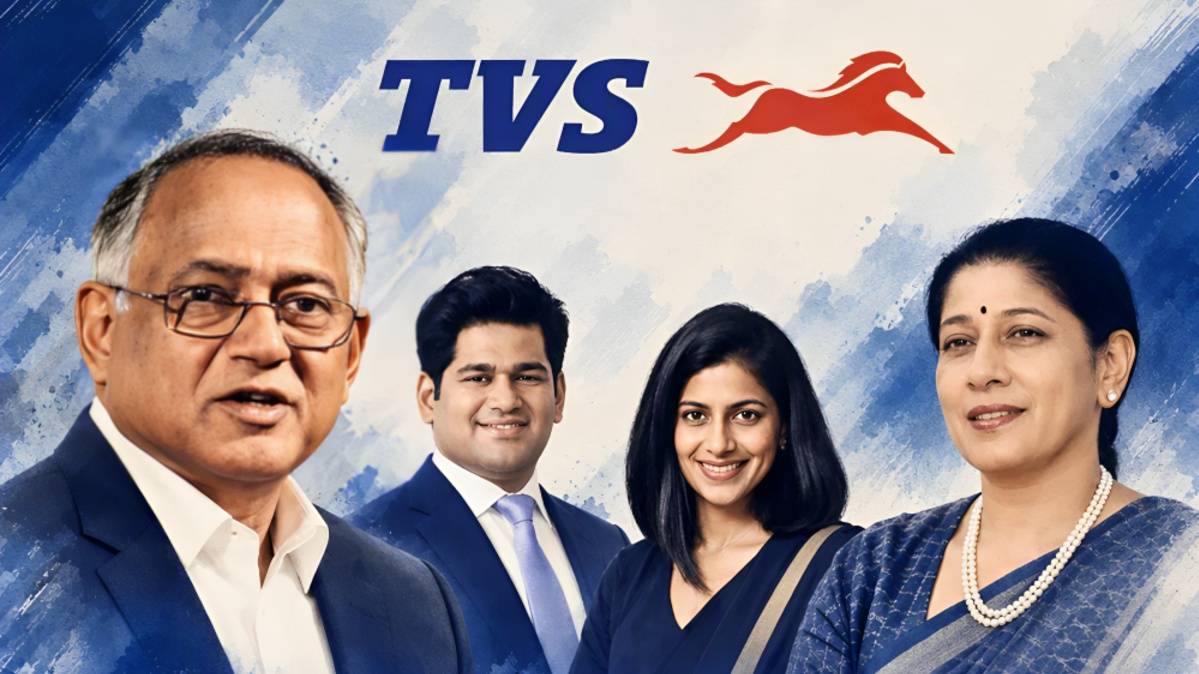
TVS Group Dispute Brings Family Succession Into Focus
The TVS Group is one of India's established business groups, with a long history of family involvement in business operations and leadership. Like many family-controlled business organisations, succession planning and ownership arrangements are important to its long-term stability.
The current dispute involving the TVS Group has brought attention to questions surrounding family succession, ownership rights and the distribution of responsibilities. Such matters can become sensitive when different stakeholders have varying expectations about the future management and control of business interests.
Family businesses often face the challenge of balancing the interests of different generations while maintaining the organisation's long-term objectives. Decisions about leadership positions, ownership structures and the distribution of responsibilities can influence both family relationships and business operations.
Clear succession arrangements are particularly important for organisations that have developed over several decades. Without a shared understanding of future leadership and ownership responsibilities, disagreements can create uncertainty about decision-making and the direction of the business.
The TVS-related developments therefore form part of a wider discussion about the complexities of managing family-owned enterprises in India.
Tata Sons Faces Questions About Ownership and Governance
Tata Sons, the principal holding company of the Tata Group, is also part of a separate discussion involving ownership and corporate governance.
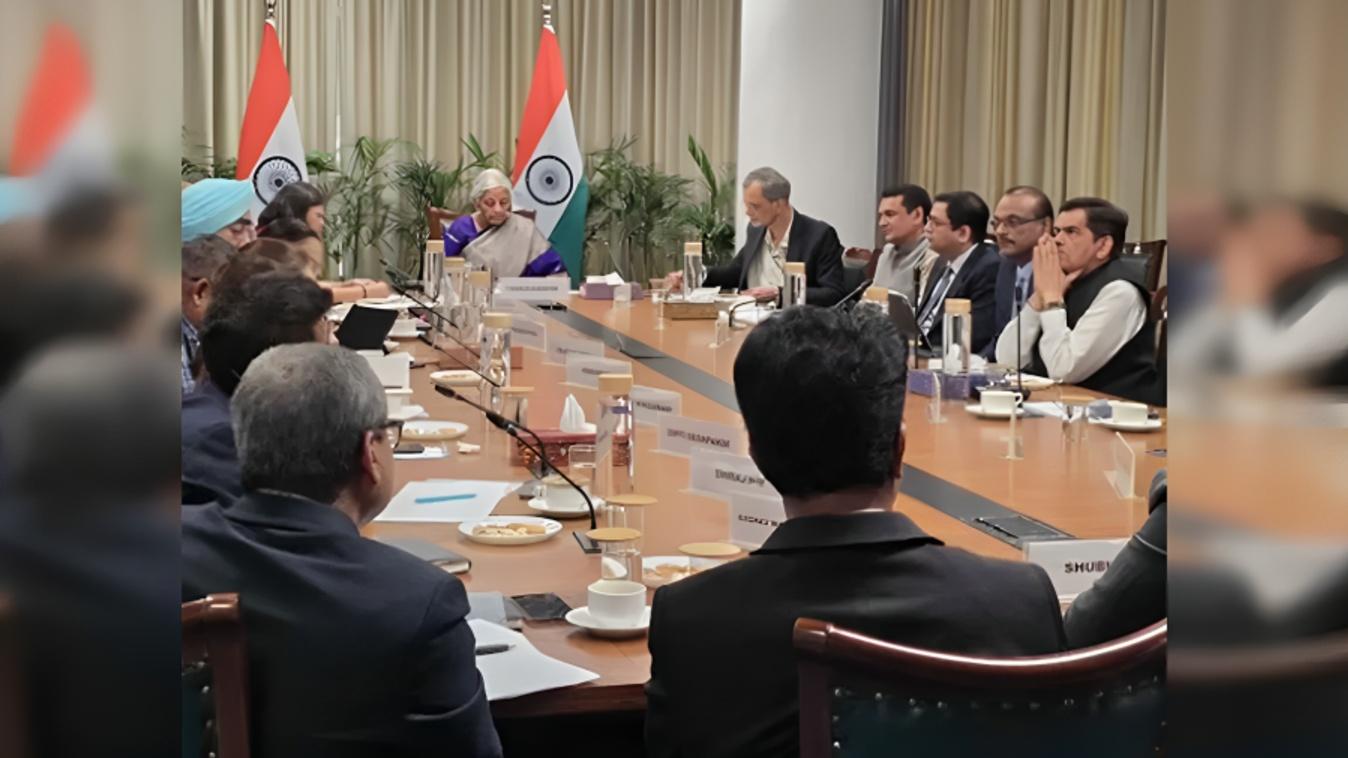
Unlike a conventional family-owned business, the Tata Group has a complex institutional structure involving multiple companies, shareholders and governance arrangements. As a result, questions concerning ownership, board responsibilities and decision-making can have implications beyond a single company.
The developments surrounding Tata Sons have brought renewed attention to the relationship between ownership interests and institutional control. Corporate governance plays a central role in ensuring that major business organisations operate with accountability, transparency and clearly defined responsibilities.
For large corporate groups, governance structures help determine how important decisions are made, how boards exercise their responsibilities and how the interests of different stakeholders are considered.
Discussions involving Tata Sons are significant because of the company's position within the wider Tata Group. Any major disagreement involving its ownership or governance arrangements can attract considerable attention from the business community.
Venu Srinivasan Connects the Two Developments
One of the most notable connections between the TVS Group and Tata Sons developments is Venu Srinivasan. He is a prominent figure in the TVS Group and also serves as a member of the Tata Sons board.
His association with both business establishments creates a link between two otherwise separate corporate developments. It has brought additional attention to the governance issues involving the organisations and highlighted the role of influential business leaders who hold responsibilities across different corporate institutions.
However, the connection should not be interpreted as evidence that the two disputes are directly related. The issues involving TVS Group and Tata Sons concern different ownership structures, stakeholders and governance arrangements.
Srinivasan's association with both organisations is relevant because it places him within the broader discussion surrounding their respective corporate developments. His positions also illustrate how experienced business leaders can have roles in more than one major Indian business institution.
Family Business and Institutional Governance
The developments involving TVS Group and Tata Sons highlight two different aspects of corporate governance in India.
Family-controlled enterprises often need to manage relationships between generations, ownership rights and succession plans. Their long-term stability can depend on how effectively family members and business leaders agree on responsibilities and future leadership.
Institutional business groups, on the other hand, must maintain strong governance systems that clearly define the roles of shareholders, boards and management teams. Their structures can involve several stakeholders with different interests and expectations.
Despite these differences, both types of organisations face a common challenge: maintaining business continuity while managing disagreements over control and decision-making.
For companies with a long history, governance arrangements are particularly important because leadership decisions can influence employees, investors, business partners and other stakeholders.
Why These Disputes Matter to India's Corporate Sector
The developments involving TVS Group and Tata Sons are relevant beyond the organisations themselves. They highlight the importance of succession planning, ownership clarity and effective corporate governance in India's business environment.
As Indian business groups expand and become more complex, the need for transparent decision-making and well-defined leadership responsibilities becomes increasingly important.
Family businesses must find ways to balance personal relationships with professional management. Large institutional groups must ensure that their governance systems remain effective while protecting the interests of different stakeholders.
The TVS and Tata Sons developments demonstrate that even established business organisations can face difficult questions about leadership, ownership and control.
Although the two disputes are separate, their broader themes are similar. Both underline the importance of clear governance structures and long-term planning in protecting the stability of major business institutions.