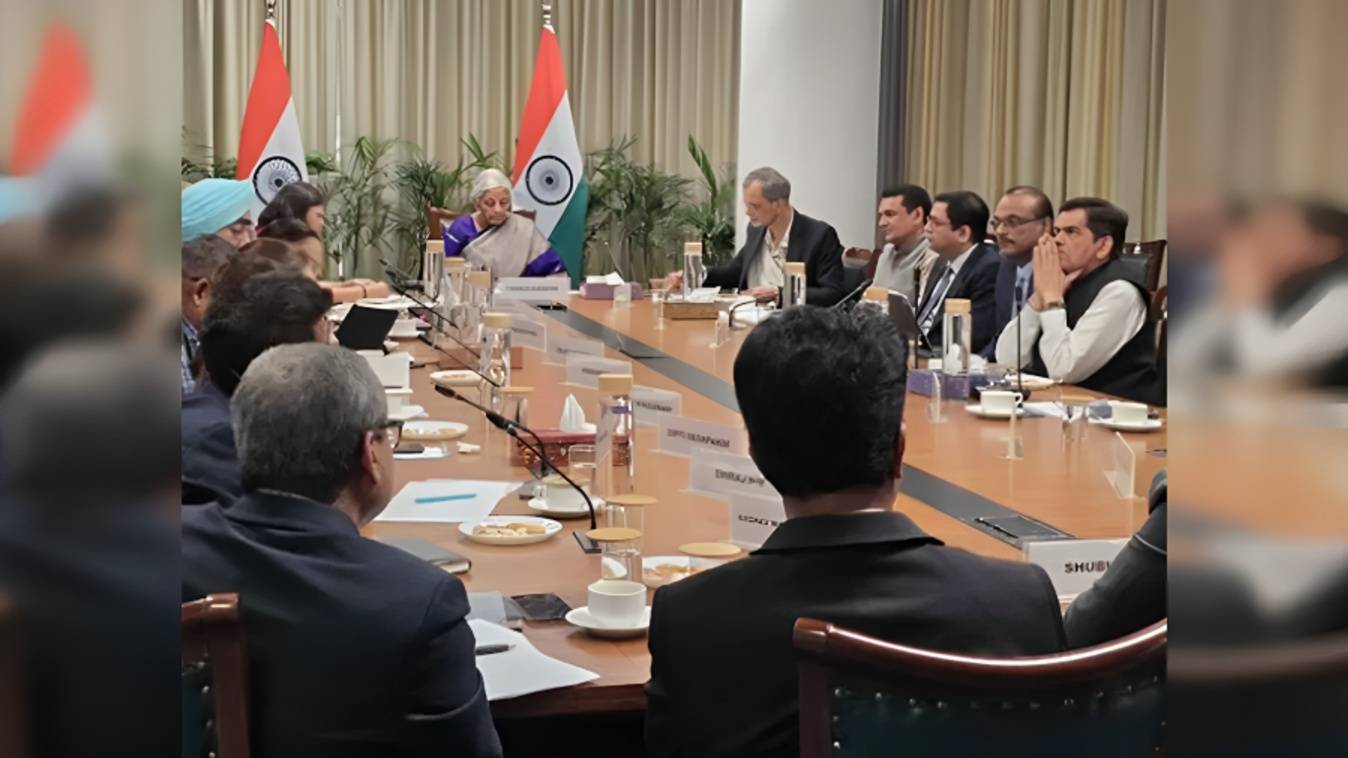
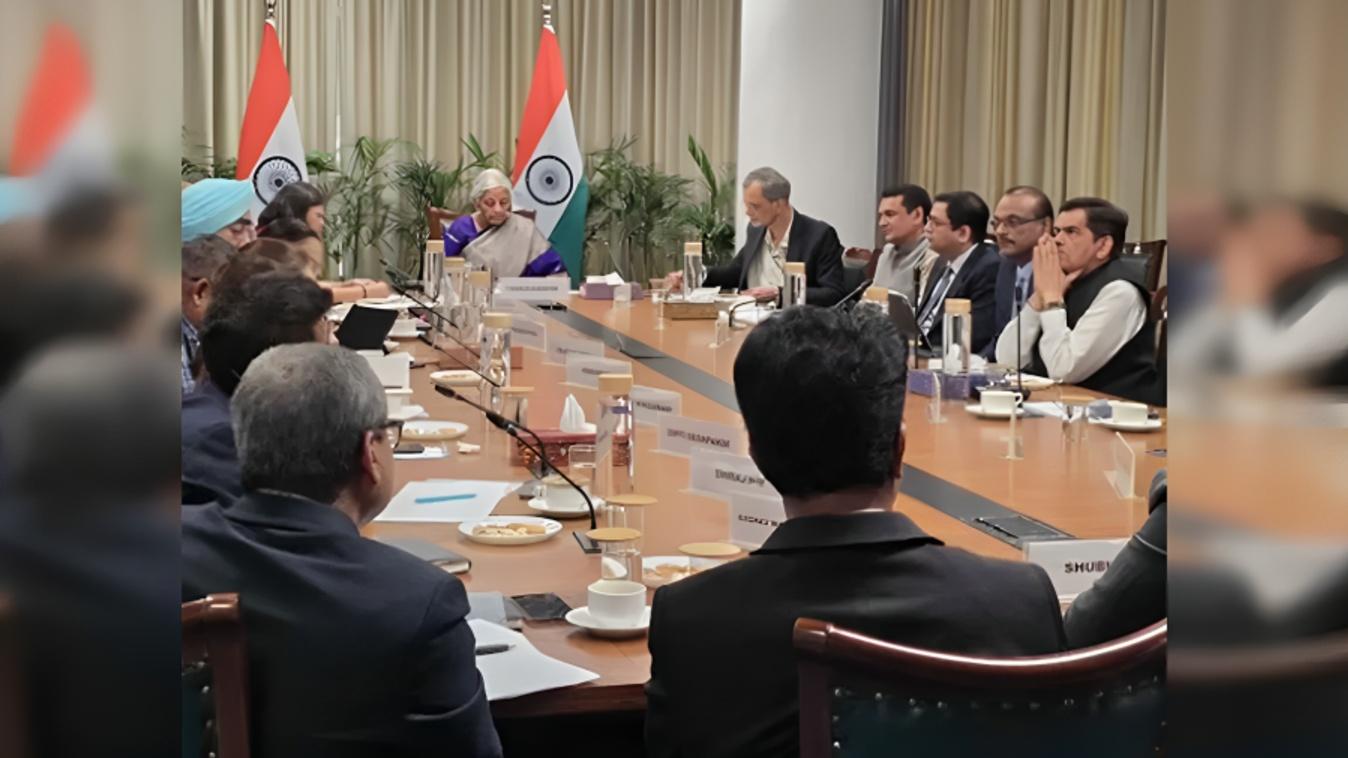
Preparations for the Union Budget 2027-28 have officially moved forward, with Finance Minister Nirmala Sitharaman chairing the first pre-Budget consultation meeting with leading economists in New Delhi on November 16, 2026. The meeting marks an important step in the government's annual Budget preparation process, which involves collecting recommendations from experts and representatives of different economic sectors.
The consultation was organised to gather views and suggestions from economists regarding India's economic priorities, financial requirements and growth prospects ahead of the upcoming financial year. The Finance Ministry conducts such discussions to understand the challenges facing the economy and consider possible policy measures before finalising the Budget proposals.
Finance Ministry Officials Attend the Meeting
The meeting was attended by senior officials from the Department of Economic Affairs, including its Secretary Anuradha Thakur and Chief Economic Adviser V. Anantha Nageswaran. Other senior officials from the department also participated in the consultation.
The Finance Ministry shared information about the meeting through its official social media account. However, the ministry did not publicly disclose the specific recommendations made by the economists or provide details of the individual subjects discussed.
Why Are Pre-Budget Consultations Important?
Pre-Budget consultations are an important part of the country's annual financial planning exercise. They provide an opportunity for economists, industry representatives, financial experts and other stakeholders to communicate their expectations and concerns directly to the government.
Economists can offer recommendations on economic growth, inflation management, employment generation, taxation, infrastructure investment and fiscal management. Their assessments can help policymakers understand emerging economic challenges and identify areas that may require additional attention.
These discussions also allow the government to consider different perspectives before deciding its spending priorities and revenue measures for the next financial year.
Economic Growth and Fiscal Management in Focus
The Union Budget 2027-28 will be prepared at a time when India is balancing economic growth with fiscal management. Maintaining investment momentum, encouraging private sector participation and managing government expenditure are among the broader issues relevant to the Budget preparation process.
The government will also need to consider developments in the global economy, international trade conditions, energy prices and inflation. Changes in these areas can influence India's domestic economic performance, government revenue and expenditure requirements.
Fiscal consolidation is another important consideration. It involves managing government borrowing and gradually reducing the fiscal deficit while maintaining sufficient expenditure to support economic development.
In the Union Budget 2026-27, the government had estimated the fiscal deficit at 4.3 percent of gross domestic product. Capital expenditure was also increased to Rs 12.2 lakh crore, highlighting the importance given to infrastructure investment. These figures provide the financial background against which the next Budget is being prepared.
More Stakeholder Consultations Expected
The first consultation with economists is part of a wider exercise through which the Finance Ministry gathers suggestions from different sections of the economy.
Further discussions are expected to involve industry associations, business organisations, agricultural representatives, labour groups, financial institutions and other stakeholders. These consultations allow different sectors to present their requirements and suggest measures that could support their development.
Industry representatives may raise issues involving taxation, manufacturing costs, investment incentives and business regulations. Agricultural stakeholders may highlight concerns related to rural development, farm incomes, irrigation and agricultural infrastructure.
Similarly, representatives from the employment and social sectors may offer suggestions concerning skill development, job creation, education, healthcare and welfare programmes.
Expectations From Union Budget 2027-28
The upcoming Budget is expected to outline the government's financial priorities for the 2027-28 financial year. Economic growth, infrastructure development, investment promotion, employment generation and fiscal discipline are among the broader areas that will be important during the preparation process.
Taxation policies and measures to support businesses and households are also likely to attract attention during the Budget consultation period. However, no specific tax changes or new financial schemes have been officially confirmed through the first meeting with economists.
The Finance Ministry will have to evaluate the recommendations received from different stakeholders before finalising its proposals. The final Budget decisions will depend on the government's assessment of economic conditions, revenue availability and spending requirements.
The first pre-Budget consultation with leading economists marks the beginning of an important stage in preparing the Union Budget 2027-28. As further consultations take place, attention will remain on the recommendations submitted to the government and the policy priorities that eventually feature in the annual financial statement.
The Union Budget 2027-28 is expected to be presented on February 1, 2027. Until then, discussions among economists, industry representatives and government officials will contribute to the process of shaping India's financial roadmap for the next financial year.