New Delhi, June 4
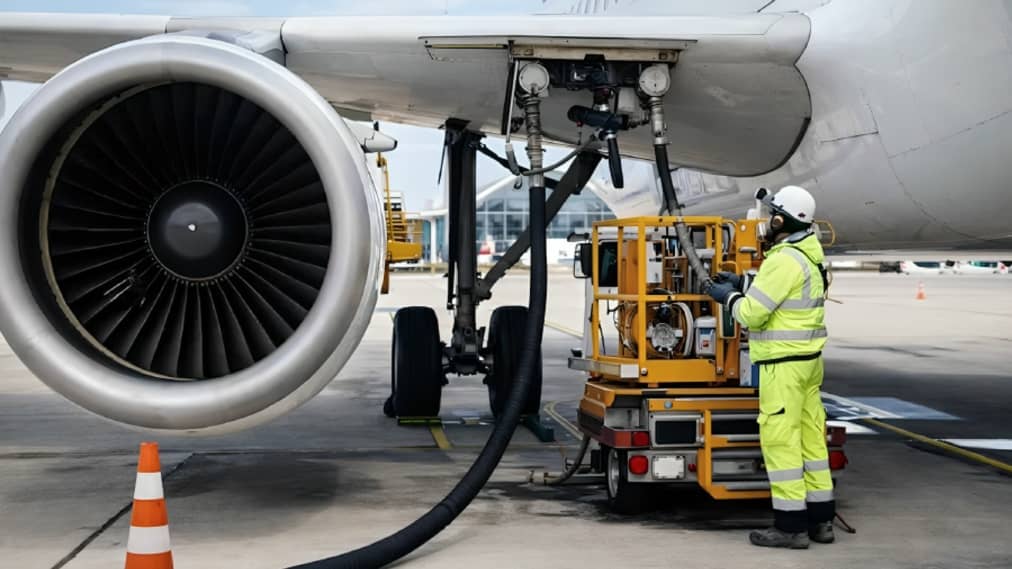
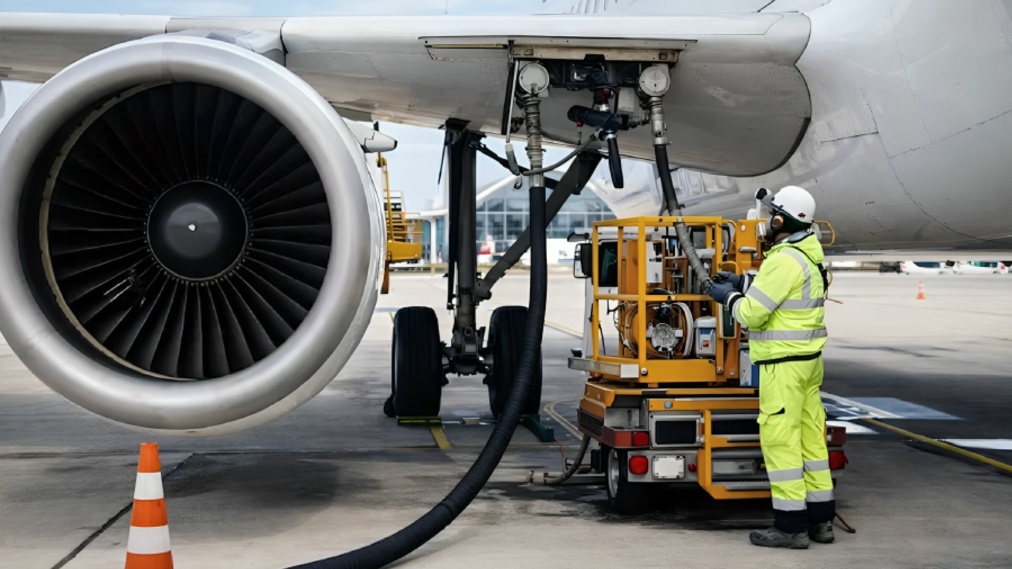
In a significant move aimed at supporting India's aviation sector, the Union Cabinet has approved a one-time budgetary support package of up to Rs 10,000 crore for Aviation Turbine Fuel price stabilisation. The financial assistance will be provided as an interest-free advance to oil marketing companies, which play a key role in supplying fuel to domestic airlines.
The decision comes at a time when the aviation industry continues to face challenges arising from fluctuations in global crude oil prices and geopolitical developments affecting energy markets. Fuel expenses represent one of the largest operating costs for airlines, often accounting for a substantial share of total expenditure. Sudden increases in fuel prices can significantly impact airline profitability and operational planning.
According to government sources, the newly approved fund is intended to help cushion the impact of sharp fuel price movements on scheduled Indian airlines. By supporting oil marketing companies through interest-free financial assistance, the government aims to create a mechanism that can contribute to greater price stability in the aviation fuel market.
Industry experts have largely welcomed the initiative, describing it as a timely intervention that could provide relief to airlines operating in a challenging economic environment. Aviation analysts note that stable fuel costs can help carriers manage their finances more effectively, maintain operational efficiency and improve long-term planning.
The Indian aviation sector has experienced substantial growth over the past decade, driven by rising passenger demand, increased connectivity and expanding regional air travel. India is now among the world's fastest-growing aviation markets, with airlines continuously adding new routes and expanding their fleets to meet demand.
However, industry growth has also been accompanied by challenges. Global fuel price volatility, currency fluctuations and increasing operational costs have created financial pressures for many airlines. Aviation Turbine Fuel remains one of the most important cost components for carriers, making fuel price management a critical aspect of business sustainability.
Experts believe the stabilisation mechanism could help reduce uncertainty for airlines, particularly during periods of significant fluctuations in international energy markets. Predictable fuel costs may also contribute to better fare planning and operational management across the industry.
The move is expected to benefit not only airlines but also passengers indirectly. A more stable cost environment could help carriers manage pricing strategies more effectively and maintain service expansion plans. Industry observers suggest that financial stability within the aviation sector supports broader economic objectives, including tourism growth, business travel and regional connectivity.
Oil marketing companies are also expected to benefit from the interest-free advance, as it may strengthen their ability to manage fuel pricing operations and supply requirements. These companies play a crucial role in ensuring uninterrupted fuel availability at airports across the country.
The government's decision reflects its continued focus on strengthening the aviation sector as a key contributor to economic development. Several policy initiatives in recent years have aimed to improve airport infrastructure, enhance regional connectivity and encourage investment in aviation-related services.
Industry representatives have stated that sustained policy support will remain important as airlines navigate changing market conditions and rising competition. The newly approved stabilisation fund is viewed as one such measure designed to improve resilience within the sector.
As implementation details emerge, stakeholders across the aviation industry will closely monitor how the fund operates and its impact on fuel pricing dynamics. Many experts believe the initiative could provide meaningful support to airlines while contributing to the overall stability and growth of India's rapidly expanding aviation market.