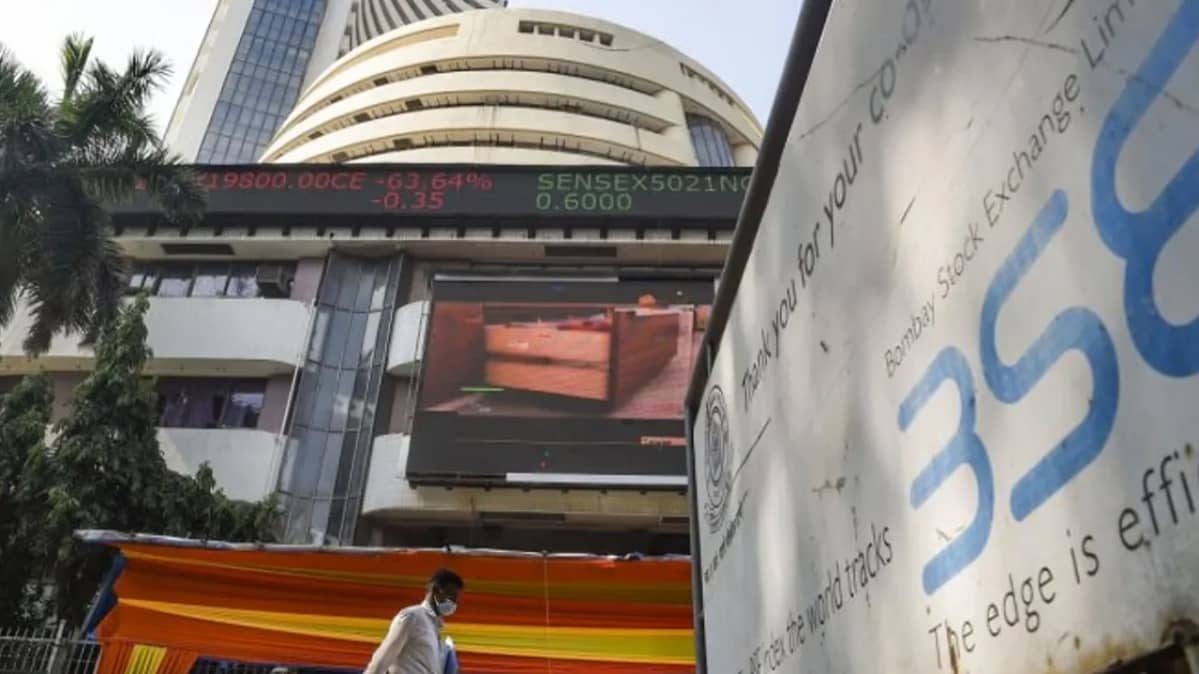
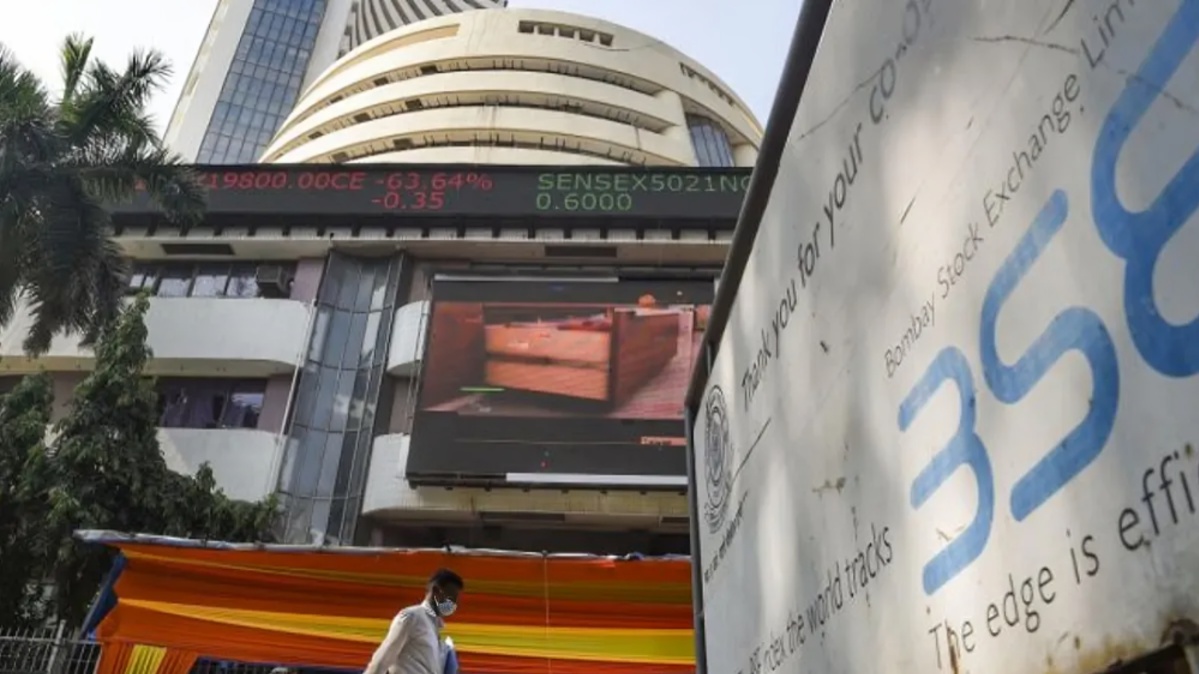
Indian equity markets ended the final trading session of the week on a positive note on Friday, September 4, 2026, as benchmark indices recovered from recent losses and closed higher. The Sensex gained 362.57 points, or about 0.48 percent, to settle at 76,515.43, while the Nifty 50 advanced 24.25 points, or around 0.10 percent, to close at 23,897.70.
The recovery brought some relief to investors after both benchmark indices had faced selling pressure during the previous four sessions. However, the gains remained relatively modest compared with the stronger intraday movements seen during the session. Market data showed that the indices gave up a significant portion of their intraday gains and finished closer to the day's lower levels.
The positive close was supported by improving global sentiment. Asian markets traded higher, while expectations of an immediate interest rate increase by the US Federal Reserve eased after comments from Federal Reserve Governor Christopher Waller. His remarks indicated that continued evidence of disinflation could support keeping interest rates steady, reducing concerns about an imminent rate hike.
Lower expectations of an immediate US rate increase can influence global financial markets because investors closely monitor the Federal Reserve's policy direction when allocating money across equities, bonds and emerging markets.
The movement in US Treasury yields also provided some support to equity markets. Global investors were awaiting the latest US employment data, which was expected to provide further clues about the Federal Reserve's future monetary policy decisions.
Within India, several large and heavyweight stocks helped the benchmarks remain in positive territory. Insurance stocks were among the prominent gainers, with SBI Life Insurance advancing strongly during the session. HDFC Life Insurance also contributed to the positive market tone. Tata Steel and Reliance Industries were among other notable stocks supporting the indices.
The banking and financial segments also attracted buying interest, although the broader market remained mixed.
One of the important developments during the session was the performance of insurance stocks. The sector benefited from renewed buying interest, helping lift the benchmark indices. Investors also looked for value in stocks that had recently experienced selling pressure.
The market's recovery came despite continued concerns over crude oil prices. Brent crude remained elevated at around 95 to 96 dollars a barrel amid ongoing geopolitical tensions involving the United States and Iran. Higher crude prices remain a concern for India because the country imports a substantial portion of its crude oil requirements.
An increase in crude prices can put pressure on India's import bill and inflation outlook. It can also affect the Indian rupee and corporate margins, particularly for companies that depend heavily on fuel and transportation.
The rupee strengthened slightly during Friday's session and was reported around 94.59 against the US dollar. Currency movements remain important for Indian equities because foreign investors monitor both stock returns and currency risks when investing in domestic markets.
Foreign institutional investors remained sellers despite the market's recovery. Data reported for the session showed that foreign institutional investors sold Indian equities worth approximately Rs 2,346 crore. Domestic institutional investors provided a counterbalance by purchasing shares worth around Rs 4,977 crore.
The difference between foreign selling and domestic institutional buying has become an important feature of the Indian market in recent weeks. Strong domestic institutional participation can help limit the impact of foreign outflows, particularly during periods of global uncertainty.
Friday's gains were also important from a technical perspective because the Sensex and Nifty ended higher after four consecutive sessions of losses. Reuters reported that the Sensex gained 0.48 percent and the Nifty 0.10 percent during the session, although both benchmarks still recorded weekly losses. The Nifty declined about 1.2 percent for the week, while the Sensex fell around 1 percent.
This means that Friday's recovery did not completely reverse the weakness seen earlier in the week.
The market also remained sensitive to developments in the derivatives segment. The Securities and Exchange Board of India announced a review of the settlement methodology connected with the closing auction session after recent volatility raised concerns among market participants. The announcement was closely watched by capital market stocks during Friday's trading session.
Shares of several companies associated with the capital markets sector gained following the regulatory development. BSE, Angel One, Groww and Motilal Oswal were among the stocks reported to have benefited from the positive reaction.
The broader market, however, did not perform as strongly as the headline indices. Investors remained selective, with buying concentrated in specific sectors and large companies.
Two initial public offerings also made their stock market debuts on Friday. ESDS Software opened at a substantial premium on the NSE, while Priority Jewels also listed above its issue price. The listings added activity to the primary market segment at a time when investors continued to monitor new equity offerings.
The day's market performance also reflected the continuing balance between domestic economic strength and external risks.
India's domestic economic indicators have remained relatively supportive, with strong growth and robust tax collections providing a foundation for investor confidence. However, elevated crude prices, foreign fund outflows, global bond yields and geopolitical uncertainty continue to create challenges for the market. Reuters noted that the Indian benchmarks were heading towards a fourth consecutive weekly decline despite Friday's recovery.
The automobile sector remained under pressure during the session. Concerns about slowing vehicle sales affected investor sentiment towards auto stocks, while the broader auto index declined during the day. Coal India, meanwhile, gained as investors responded positively to its earnings outlook.
The performance of individual sectors demonstrates that investors are currently focusing heavily on company specific developments rather than making broad based bets across the entire market.
For investors, the next major market trigger is likely to come from global monetary policy expectations and economic data from the United States. The US employment report could influence expectations for the Federal Reserve's next policy decision.
If US economic data shows signs of weakening while inflation continues to moderate, investors could increase expectations for a more accommodative Federal Reserve stance. Such a development could support emerging market equities, including Indian stocks.
However, stronger than expected US economic data could have the opposite effect by reducing expectations of monetary easing and potentially supporting higher bond yields.
Oil prices are another major factor that Indian investors will continue to monitor. Continued geopolitical tensions could keep crude prices elevated, creating risks for inflation and the country's current account balance.
The Indian rupee will also remain important. A sustained increase in crude prices combined with foreign portfolio outflows could put additional pressure on the currency.
Despite these challenges, domestic institutional buying continues to provide support to Indian equities. Strong participation from mutual funds, insurance companies and other domestic investors can help absorb some of the selling pressure generated by foreign investors.
Friday's closing therefore offered a mixed message. The benchmark indices recovered from their recent declines, but the relatively small Nifty gain and continued weekly losses showed that investors have not completely regained confidence.
The Sensex's 362 point rise was largely supported by buying in selected heavyweight stocks, while the Nifty remained below the 24,000 level at the close. The index settled at 23,897.70, keeping the 24,000 mark as an important psychological level for traders in the next session.
The Sensex, meanwhile, finished at 76,515.43 after trading through a volatile session.
Market participants are likely to watch whether the Nifty can sustain levels around 24,000 in upcoming sessions. A sustained move above that level could improve short term sentiment, while renewed selling could bring the index under pressure again.
Analysts and investors will also monitor global equity markets, crude oil prices, bond yields, the rupee and foreign fund flows for further direction.
Overall, the September 4 session provided a positive end to a difficult week for Indian equities. The Sensex and Nifty both closed higher, supported by improved global sentiment and selective domestic buying. However, persistent geopolitical concerns, elevated crude prices and foreign investor selling mean that the market outlook remains cautious.
The key takeaway from Friday's session is that the Indian market showed signs of recovery but has not yet established a clear trend reversal. Investors are likely to remain selective until greater clarity emerges from global monetary policy, crude oil prices and domestic market conditions.