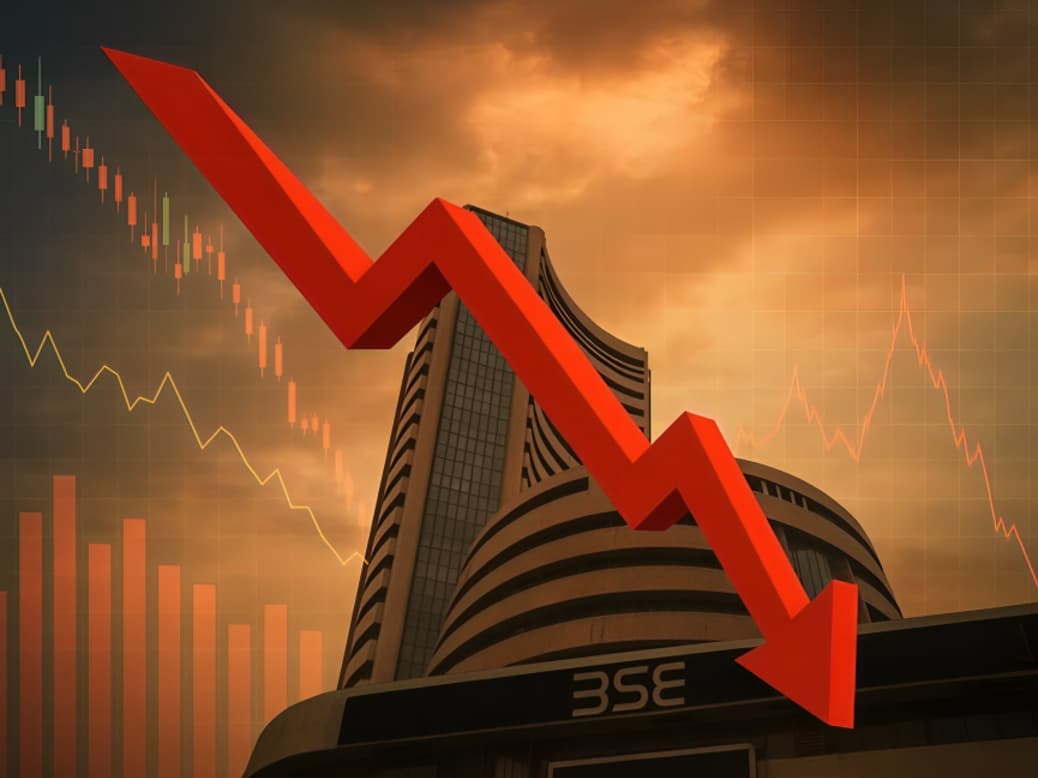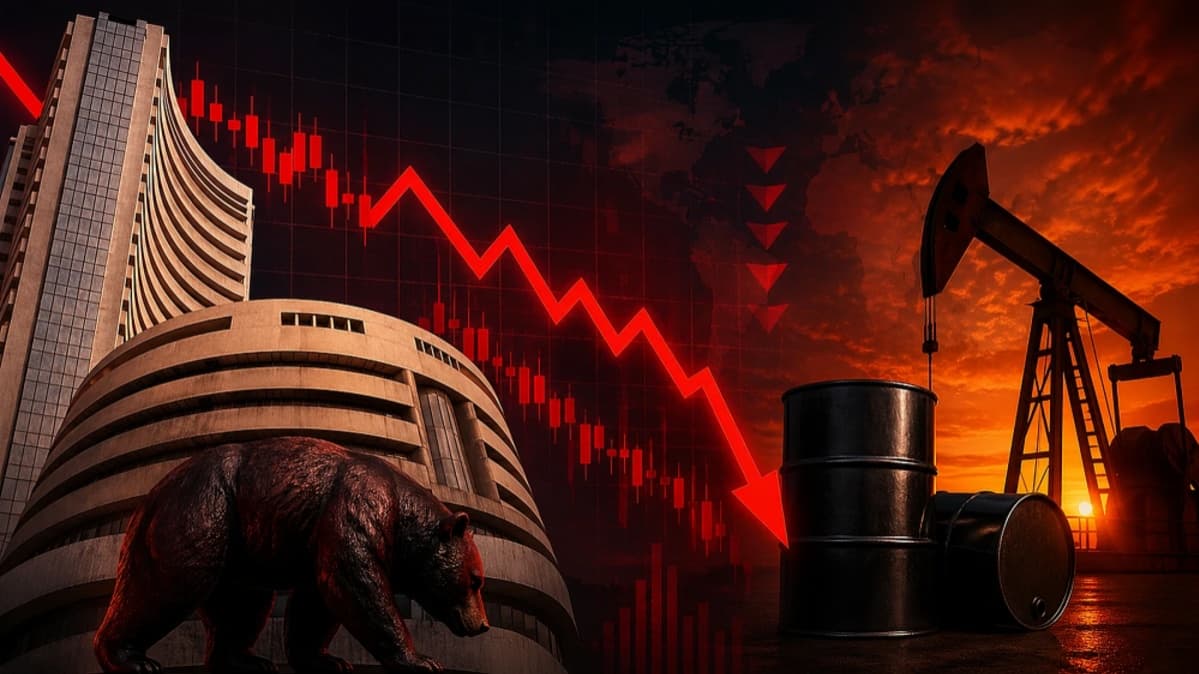

Indian stock markets were among those affected by the global risk sentiment. The benchmark Sensex recorded a sharp decline during trading as investors reduced exposure to equities amid uncertainty. Market participants closely monitored international developments, with concerns over rising energy costs and possible disruptions to global trade influencing investor sentiment.
Crude oil prices also moved higher as traders responded to fears that prolonged instability in the Middle East could affect global energy supplies. The region remains one of the world's most important producers and exporters of crude oil, making geopolitical developments there a key factor influencing international oil markets. Higher oil prices can have broader implications for transportation costs, manufacturing expenses and inflation across many economies.
Financial analysts noted that geopolitical events often lead investors to adopt a cautious approach. During periods of uncertainty, market participants frequently move investments into assets considered relatively safer, while reducing exposure to equities and other higher risk investments. This shift can result in increased volatility across global financial markets.
The Middle East plays a crucial role in global energy security, and any concerns regarding the uninterrupted movement of oil through important maritime routes can influence international commodity prices. Investors therefore continue to closely monitor political and military developments in the region for potential impacts on energy supplies.
Higher crude oil prices can also affect countries that rely heavily on energy imports. For economies such as India, sustained increases in international oil prices may influence inflation, transportation costs and the country's import bill. Policymakers and market participants therefore pay close attention to developments affecting global energy markets.
Global equity markets reacted to the uncertainty by witnessing broad based selling across several sectors. Banking, automobile, aviation and manufacturing companies are often among those closely watched during periods of rising oil prices because increased fuel and transportation costs may affect operating expenses and profitability.
Market experts emphasised that short term volatility is common during periods of geopolitical uncertainty. Investors are generally advised to focus on long term investment objectives rather than reacting to temporary market movements driven by international events. Analysts also noted that market conditions could stabilise if diplomatic efforts reduce tensions and restore confidence.
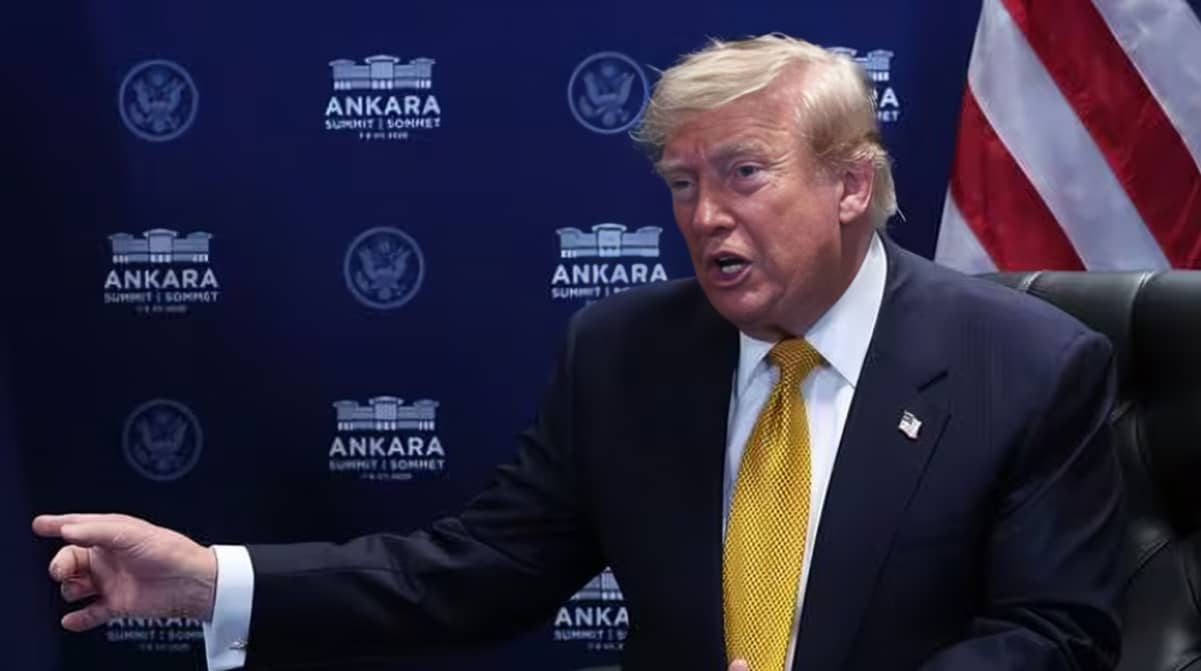
At the time of reporting, there has been no official confirmation from all parties involved regarding the broader implications of Trump's comments. Governments and international organisations continue to monitor the evolving situation, while financial markets remain sensitive to any new developments or official announcements.
As geopolitical events continue to unfold, investors are expected to remain focused on global diplomatic efforts, energy market trends and economic indicators. Future movements in equity markets and oil prices will likely depend on the direction of regional developments and the response of international policymakers, making the situation an important area of attention for businesses, investors and governments worldwide.