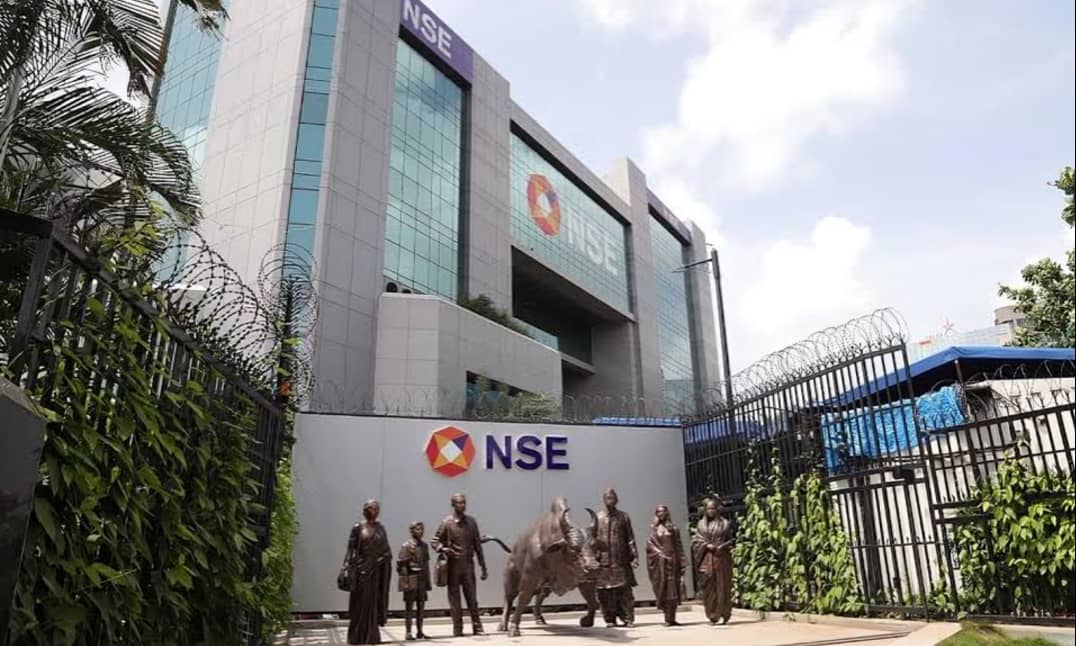
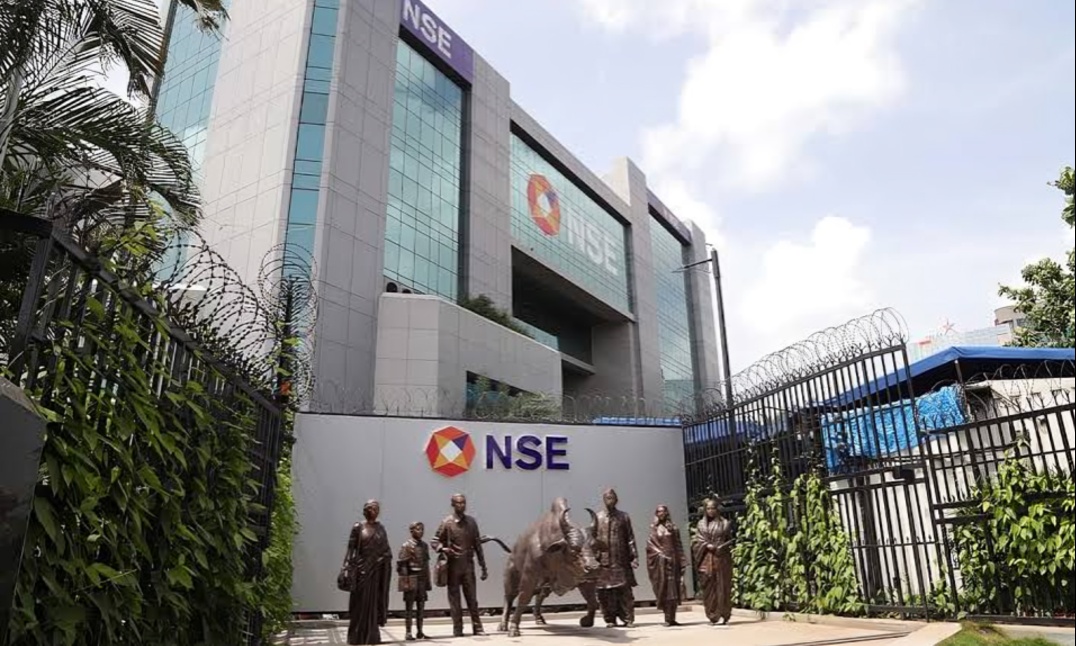
India's investor base has crossed 13.2 crore, marking another significant development in the country's rapidly changing investment landscape, according to the latest report from the National Stock Exchange. The report highlights that India's investor community is not only expanding but is also becoming younger and more geographically diverse.
The increase in the number of investors reflects the growing participation of individuals in India's financial markets. Equity investing, which was once concentrated largely among investors in major cities and established financial centres, is increasingly reaching households across different parts of the country.
One of the notable trends identified in the report is the changing age profile of investors. Younger individuals are becoming a larger part of the investment community, indicating growing interest among millennials and younger generations in financial markets.
Several factors have contributed to this shift. The rapid expansion of smartphones, internet connectivity and digital financial services has made it easier for individuals to access investment platforms. Investors can now monitor markets, research companies and place orders through digital applications without depending entirely on traditional financial intermediaries.
The growth of online investment platforms has also reduced some of the practical barriers that previously discouraged individuals from entering the stock market. The availability of simplified account opening processes and digital onboarding has made investing more accessible to first time participants.
Another important feature of India's expanding investor base is its geographic diversity. Participation is increasing beyond the country's traditional financial hubs. Investors from smaller cities and towns are increasingly becoming part of the equity market.
This broader participation is significant because it indicates that investment awareness is spreading across different regions. The growth of financial education, digital connectivity and easier access to financial services has helped bring more households into formal investment channels.
The changing investor profile could have long term implications for India's capital markets. A larger domestic investor base can provide greater participation in the equity market and potentially strengthen the role of household savings in capital formation.
Retail investors have become increasingly visible in India's stock market in recent years. Their participation can influence trading activity, market liquidity and demand for listed securities.
However, the growth in the number of investors also highlights the importance of financial awareness. New investors may have limited experience with market volatility and investment risks. Understanding the difference between long term investing and short term trading is therefore important.
Equity markets can generate returns over the long term, but stock prices can also experience significant short term fluctuations. Investors should consider their financial goals, risk tolerance and investment horizon before making decisions.
The growing participation of younger investors is particularly noteworthy. Younger individuals generally have a longer investment horizon, which can allow them to focus on long term wealth creation. At the same time, younger investors may also be more exposed to market information and investment trends through social media and digital platforms.
This makes financial literacy increasingly important. Investors need to distinguish between reliable market information and unverified claims before committing their money.
The expansion of India's investor base is also taking place alongside broader economic growth. As household incomes and financial awareness increase, more people are exploring investment products beyond traditional savings instruments.
Bank deposits, insurance and physical assets such as gold remain important components of household finances. However, equity investments and other market linked products are gaining attention as individuals seek opportunities for long term wealth creation.
The development of India's financial infrastructure has supported this transition. Digital identity systems, online banking, electronic payments and mobile applications have created an environment where financial transactions can be conducted more efficiently.
The stock market ecosystem has also become increasingly digital. Investors can complete many processes online, including account opening, fund transfers, market research and portfolio monitoring.
This convenience has contributed to wider participation and may continue to attract first time investors.
The geographical expansion of the investor base is another important development for India's financial system. When investors from smaller cities and rural or semi urban areas participate in the market, financial market activity becomes less concentrated in a limited number of metropolitan regions.
This trend can also encourage greater financial awareness in communities where stock market participation was previously relatively low.
The growing number of investors does not necessarily mean that every individual is actively trading. Some investors may hold shares for the long term, while others may participate more frequently. The investor base includes individuals with different investment objectives and levels of market experience.
The expansion also creates opportunities for financial service providers. Brokerage firms, mutual fund companies, financial technology platforms and other market participants can reach a much larger potential customer base.
However, the increased participation of retail investors also places greater responsibility on financial institutions and regulators to promote transparent information and investor protection.
First time investors need clear information about the risks associated with different financial products. They should also understand costs, taxation, market volatility and the potential for loss before investing.
For younger investors in particular, long term financial planning can be an important part of building wealth. Regular investing, diversification and disciplined decision making can help reduce dependence on short term market movements.
The changing investor profile could also influence the future development of India's capital markets. A younger investor population may have different preferences from earlier generations, including greater interest in digital services, technology companies and new investment products.
At the same time, younger investors are likely to remain exposed to changing economic conditions and global market developments. Interest rates, inflation, currency movements and international events can all affect Indian financial markets.
The NSE report's findings therefore highlight a broader transformation in India's investment culture. The stock market is increasingly becoming accessible to a much larger section of the population.
Crossing 13.2 crore investors represents a substantial expansion compared with the market's earlier investor base. The growth also demonstrates the increasing role of individual investors in India's financial ecosystem.
The trend toward greater geographic diversity suggests that stock market participation is no longer limited primarily to major cities. Investors from different states, towns and communities are becoming increasingly involved.
For India's economy, a broader investor base can contribute to greater mobilisation of household savings into financial assets. It can also strengthen the connection between individual households and the country's corporate sector.
As more people invest in listed companies, households can participate indirectly in India's economic growth. At the same time, investors need to recognise that market participation involves risk and that returns are not guaranteed.
The continued growth of India's investor base is likely to remain an important feature of the country's financial development. Digital access, financial awareness and changing attitudes toward investing could support further expansion in the coming years.
The latest NSE findings show that India's investment community is becoming larger, younger and more geographically diverse. This transformation could have a lasting impact on the country's capital markets and the way households manage their savings.
For new investors, the growth of the market presents opportunities but also highlights the importance of informed decision making. Understanding financial products, assessing risk and maintaining a long term perspective will remain essential as India's investor base continues to expand.