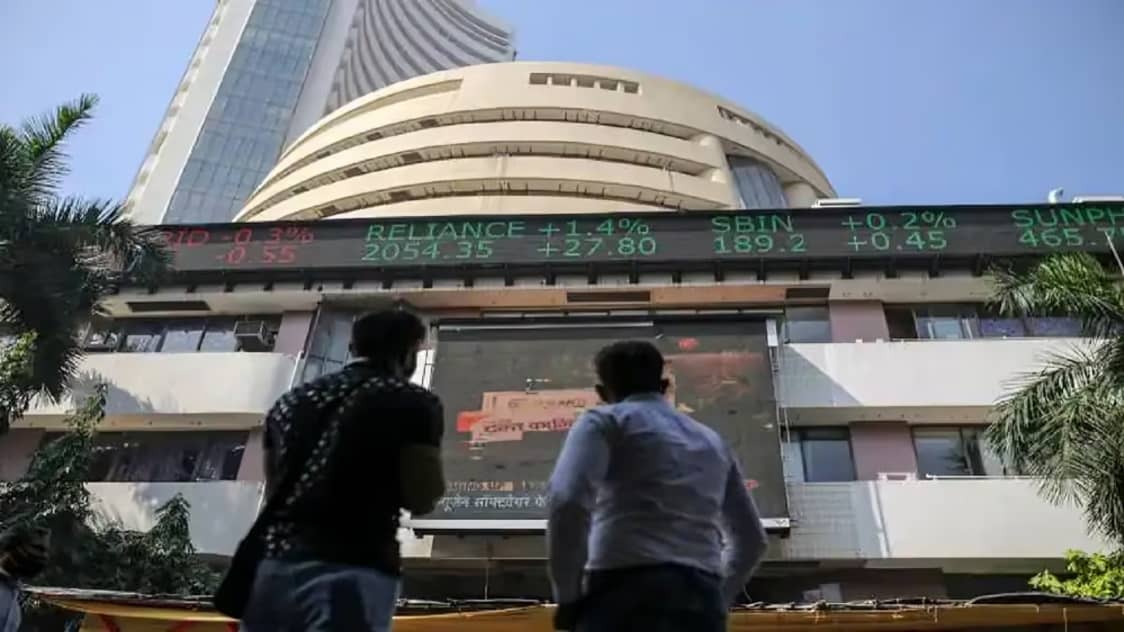
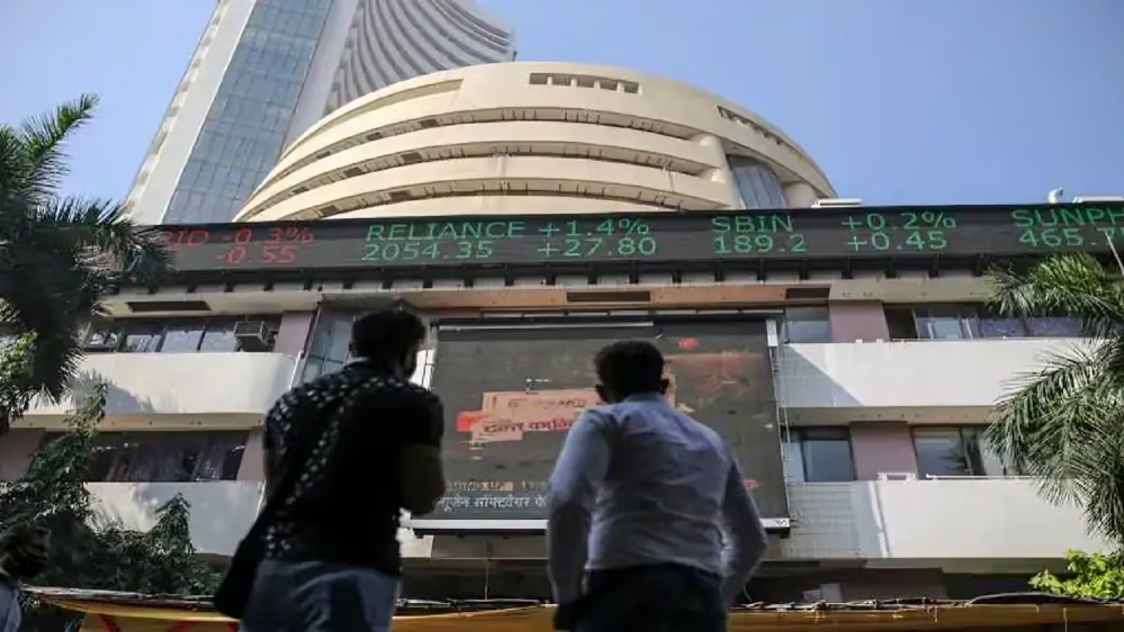
Investors wondering whether the Indian stock market will remain closed on Friday, August 28, 2026, for Raksha Bandhan can continue their trading plans as usual. The National Stock Exchange and Bombay Stock Exchange have not declared August 28 as a trading holiday.
Raksha Bandhan will be observed on August 28 this year, but the festival does not appear in the official 2026 trading holiday schedule of the major Indian stock exchanges. As a result, the NSE and BSE are scheduled to remain operational on the day.
The clarification is important for investors because festival holidays in India can sometimes differ between banks, government offices and stock exchanges. A festival may be a holiday for banks or certain institutions without necessarily being a trading holiday for the equity market.
According to the available exchange holiday information, trading on August 28 will continue across the relevant market segments. Investors will therefore be able to buy and sell shares through their brokers according to the normal trading schedule.
For the equity segment, regular trading generally takes place from 9:15 am to 3:30 pm on trading days. The August 28 session is expected to follow the normal market schedule because the date has not been declared a trading holiday.
The decision means that investors do not need to treat August 28 as a stock market closure merely because Raksha Bandhan is being celebrated. Those with planned trades, investments or market orders can continue to monitor the market during normal trading hours.
The NSE's official holiday calendar provides the list of trading holidays for 2026. August 28 is not included among the listed market holidays. The exchange has separately specified that November 8, 2026, will be a trading holiday for Diwali Laxmi Pujan, with a special Muhurat Trading session to be conducted on that day.
This year's Diwali Laxmi Pujan is particularly notable because November 8 falls on a Sunday. Although it is a weekend, the exchange has made provisions for a special Muhurat Trading session. The exact timings for the session will be notified separately by the exchange.
Investors should therefore distinguish between a regular trading holiday and a special trading session. On August 28, there is no such closure, and normal trading is scheduled to continue.
The next scheduled trading holiday after the August period is September 14, 2026, on account of Ganesh Chaturthi. This means investors will have regular market sessions between August 28 and the next declared trading holiday, subject to any subsequent exchange notifications.
The stock market holiday calendar is relevant not only for equity investors but also for traders dealing in derivatives and other market segments. Market participants should always check the latest official exchange notification before planning important transactions because exchanges can issue changes or additional notices when required.
The fact that Raksha Bandhan is not a trading holiday does not mean that all financial institutions will operate normally. Bank holidays can differ by state and city, depending on local festival observances. Investors who need banking services for deposits, withdrawals or other transactions should therefore check their respective bank's holiday schedule separately.
For stock market participants, however, the key point is that August 28 is a regular trading day according to the current NSE and BSE holiday schedules.
The distinction between bank holidays and stock market holidays is especially important during major festivals. Investors may assume that a festival automatically results in a market closure, but the exchange holiday calendar is the authoritative reference for trading.
The 2026 calendar includes a number of holidays throughout the year, including closures associated with major festivals and national occasions. Some holidays fall on weekends and therefore do not result in an additional weekday closure.
Independence Day, for example, falls on Saturday, August 15, 2026. Because the date is already a weekend, it does not create an additional weekday trading closure. Similarly, Diwali Laxmi Pujan falls on Sunday, November 8, but the exchange has announced a special Muhurat Trading session for the occasion.
For investors preparing for the August 28 session, the regular trading timetable remains the key information. Market participants should also keep an eye on domestic and international market developments because trading conditions can change significantly even when the exchange remains open.
Global market movements, crude oil prices, currency fluctuations, interest rate expectations and corporate announcements can all influence Indian equities. Therefore, the absence of a holiday does not necessarily indicate how the market will perform.
Investors should also remember that a trading holiday and a settlement holiday are not always identical. Certain segments may have separate settlement arrangements, so traders should verify the applicable schedule for the specific product or transaction they are dealing with.
The exchange calendars are updated periodically, and investors should rely on the latest official information rather than social media posts or unofficial holiday lists.
For August 28 specifically, the current information is clear. The NSE and BSE are scheduled to remain open, and Raksha Bandhan is not included as a trading holiday for 2026.
The development also means that market participants who were expecting a long weekend because of Raksha Bandhan should not assume that the stock market will be closed. Friday's session will proceed as a normal trading day unless the exchanges issue a subsequent change.
The upcoming September 14 holiday for Ganesh Chaturthi will be the next scheduled market closure after August. Investors can use the official exchange calendar to plan trading and settlement activities around that date.
Another important date on the calendar is November 8, when the exchanges will observe Diwali Laxmi Pujan with a special Muhurat Trading session. Since that date falls on a Sunday, the special session will allow market participants to take part in the traditional Diwali trading activity despite the weekend.
Overall, there is no NSE or BSE trading holiday on August 28 for Raksha Bandhan under the current 2026 schedule. Investors can therefore expect normal stock market operations on Friday.
As always, investors should check official exchange announcements for any last minute changes and verify the trading hours applicable to their specific market segment.