PVR INOX Q2 Profit Surges 111%: Sanjeev Kumar Bijli on ₹99 Tickets, Food Deals and What’s Next
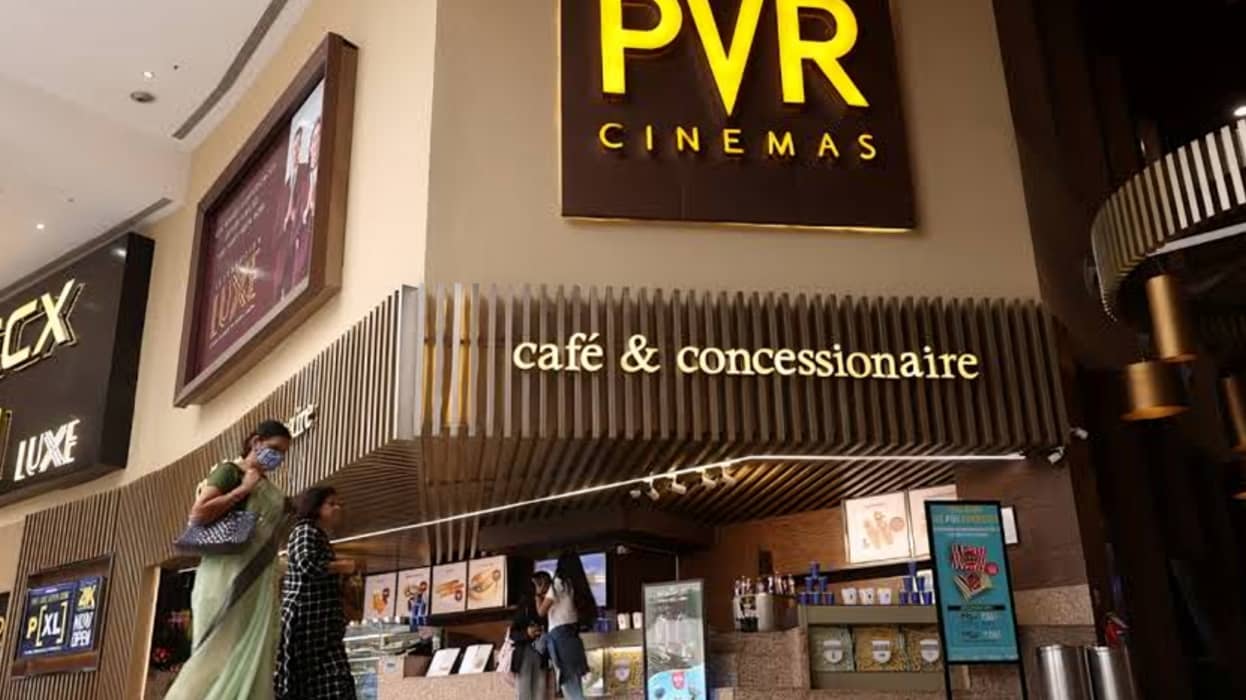
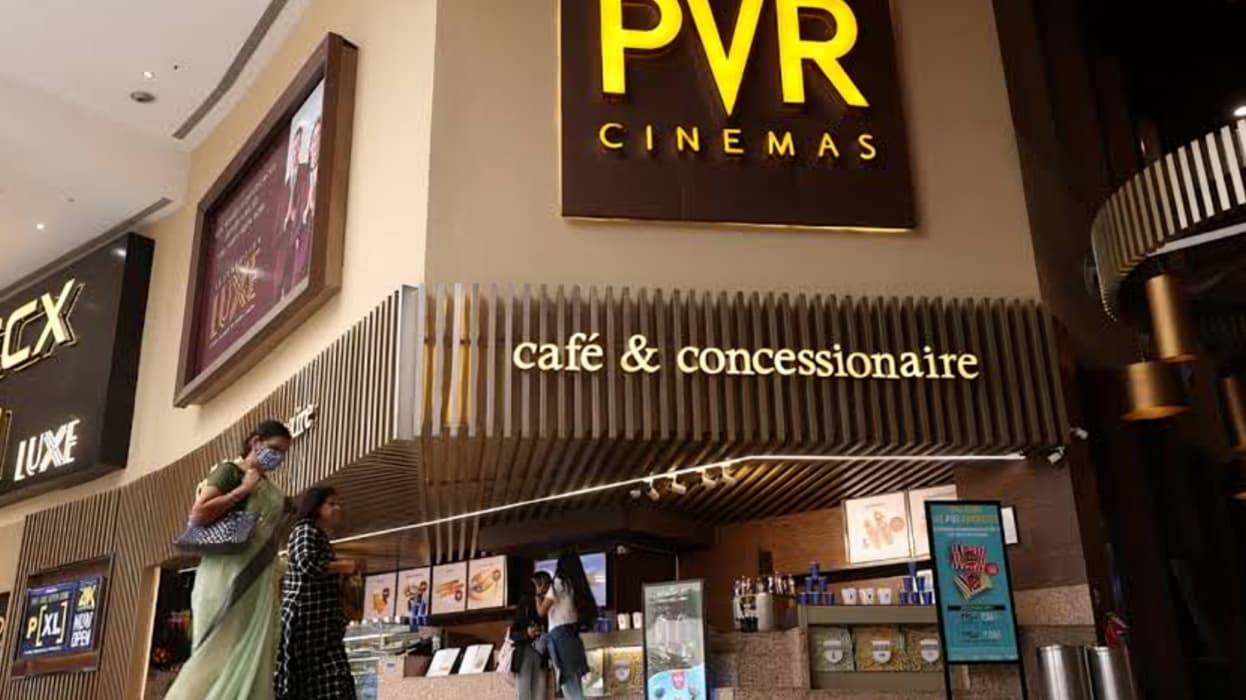
PVR INOX has reported a strong second quarter for the financial year 2026–27, with adjusted profit after tax from continuing operations surging 111% year-on-year to ₹273.3 crore. The multiplex operator also recorded its highest-ever quarterly revenue, supported by a strong film lineup, improved cinema attendance and higher spending on tickets and food.
The results underline a recovery in theatrical entertainment, as audiences returned for a mix of Hindi, regional and Hollywood releases. At the same time, PVR INOX is pursuing affordability initiatives, food and beverage promotions and expansion into smaller cities to attract a wider audience.
According to the company’s Q2 earnings announcement, adjusted revenue rose 17% to ₹2,132.7 crore, while adjusted earnings before interest, taxes, depreciation and amortisation (EBITDA) increased 44% to ₹475.2 crore. The adjusted EBITDA margin expanded to 22.3%, compared with 18.1% a year earlier.
These adjusted figures should be distinguished from the company’s reported consolidated results. PVR INOX recorded consolidated net profit of ₹263.1 crore for the quarter, up approximately 149% from the year-earlier period.
Sources: PVR INOX Q2 results coverage — Business Standard | Company results announcement
Strong Film Releases Drive Quarterly Performance
The September quarter proved significant for the Indian cinema industry, with gross box-office collections reaching a record level. PVR INOX welcomed 46.3 million patrons during the quarter, a 4% year-on-year increase. Occupancy improved to 30.4%, compared with 28.7% in the same period last year.
The company’s average ticket price rose 14% to ₹298, while average food and beverage spending per head increased 14% to ₹153. Revenue from ticketing and food and beverages grew by approximately 18% each, demonstrating that growth came from both admissions and customer spending inside cinemas.
The range of films available to audiences was another important factor. Hindi cinema, regional releases and Hollywood titles contributed to the quarter’s performance. English-language film collections in India rose sharply, while premium formats such as IMAX and 3D also benefited from audience demand.
The performance suggests that a diverse film slate can help multiplex operators attract different audience groups. However, results remain closely linked to the timing, appeal and commercial performance of films released during each quarter.
Why PVR INOX Is Offering ₹99 Tickets
Affordable ticket offers are an important part of PVR INOX’s strategy to attract price-sensitive moviegoers, particularly during periods when cinemas have spare capacity.
In an interview with The Financial Express earlier in 2026, Executive Director Sanjeev Kumar Bijli discussed initiatives such as Blockbuster Tuesdays, which offer tickets for ₹99, alongside bank-linked discounts and special offers for groups including students, senior citizens and women.
The company has also highlighted value-priced weekday morning shows at ₹99, Friday first shows at ₹149 and front-row seats starting at ₹79 in its latest earnings commentary.
These offers have different conditions and may vary by cinema, film, showtime and location. The ₹99 price should therefore not be interpreted as the standard price for every show.
The broader strategy is to make cinema more accessible to customers who might otherwise postpone a visit because of ticket costs. Lower-priced shows can also help improve occupancy during less busy periods.
For the company, the challenge is to balance affordability with revenue per customer. Promotions need to bring in additional audiences or encourage repeat visits without unnecessarily reducing revenue from customers who would have paid the regular price.
Food Deals Help Increase Customer Spending
Food and beverages remain a major part of the multiplex business model. PVR INOX has been using promotional offers to encourage customers to buy snacks and drinks, including free refills on selected large popcorn and beverage purchases during weekends and targeted weekday offers.
Company executives have said that promotions can encourage customers to upgrade to larger packs and bring in people who might otherwise skip food purchases. The company is also using customer-consumption data to tailor offers according to movie-going habits and preferences.
PVR INOX management has highlighted popcorn and Pepsi as important contributors to its food sales. In the Q2 earnings call, executives also discussed vendor negotiations, more efficient logistics and reduced food wastage as measures intended to support margins.
The approach reflects a balance between value and profitability. Discounts can increase volume, but the company must also manage product costs, packaging, logistics and wastage to preserve margins.
Food promotions are therefore not simply a marketing tool. They form part of the company’s broader plan to increase customer engagement and improve the financial performance of its cinema network.
Taking Food Beyond Cinema Counters
PVR INOX is also looking to expand its food and beverage business beyond the traditional experience of buying snacks at a cinema counter.
The company has discussed home delivery, grab-and-go counters, outdoor catering and the development of its own food brands. These initiatives offer potential ways to reach customers outside movie screenings and use existing food capabilities across additional settings.
Its in-house food concepts include Dog Father, a hot-dog brand, and Crosta, a gourmet food brand. The company has also discussed selling selected cinema foods through food-delivery platforms and operating counters at events or other locations.
The opportunity is to make use of established products and supply systems beyond peak cinema hours. However, the scale and profitability of these activities will depend on customer demand, operating costs and the ability to expand beyond the cinema environment.
Expansion Plans: 500 Screens Over Three Years
PVR INOX plans to add approximately 500 screens over the next three years, with a growing focus on Tier 2, Tier 3 and Tier 4 cities.
The company aims to open around 90–100 new screens in FY27, with most additions expected in the second half of the financial year. It is also targeting 150–175 openings in FY28, subject to execution and project timelines.
As of September 30, 2026, the company operated 1,797 screens across 114 cities in India and Sri Lanka. During the first half of FY27, it opened 24 screens and exited 25, most of them at loss-making locations.
This selective approach indicates that expansion is not solely about increasing the number of screens. The company is also assessing the economics of individual locations and moving away from properties that do not meet its operating expectations.
SMART Cinemas Target Smaller Markets
One of the central elements of the expansion strategy is SMART Cinema, an affordable, capital-light format designed for smaller markets.
PVR INOX opened its first SMART Cinema in Muzaffarpur, Bihar, in September 2026. According to management, the format requires approximately 25–30% less capital expenditure and has operating costs around 25% lower than conventional cinemas in major cities.
The model aims to preserve key elements of the cinema experience, including seating comfort, screen quality and audiovisual technology, while offering more affordable tickets and food.
The company has identified around 300 cities for potential SMART Cinema expansion. It expects to open two or three additional SMART Cinemas during FY27, while further locations are in the pipeline.
If the format proves commercially viable across different markets, it could allow PVR INOX to expand into areas where conventional multiplex economics may be more difficult to sustain.
What’s Next for PVR INOX?
The company enters the second half of FY27 with a strong quarterly performance and an upcoming slate of films across languages. Management has highlighted forthcoming Hindi releases, regional titles and major Hollywood franchises as potential drivers of theatrical demand.
PVR INOX is also pursuing a capital-light expansion strategy and has outlined plans to return around 30% of annual surplus cash flow to shareholders through dividends, share buybacks or a combination of the two, subject to the company’s capital-allocation framework and board decisions.
The next phase will depend on film performance, the pace of new screen openings, customer response to affordable ticketing and food offers, and the company’s ability to control costs.
The latest results show that a strong content pipeline and higher consumer spending can support earnings growth. Sustaining that performance will require PVR INOX to keep audiences interested while making cinema visits affordable and expanding its business without compromising financial discipline.