Stock Market Today October 26 Sensex and Nifty Recover From Early Losses as Inflation Risks Remain
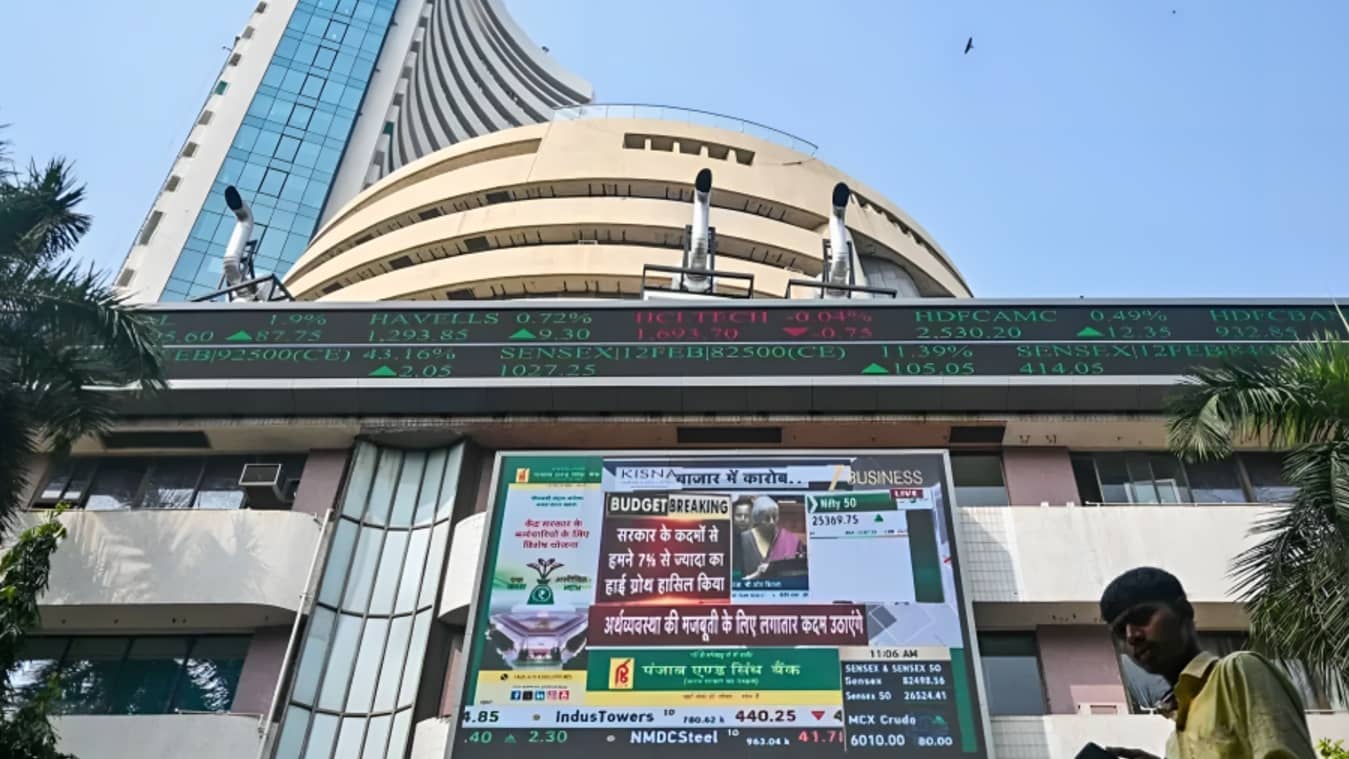
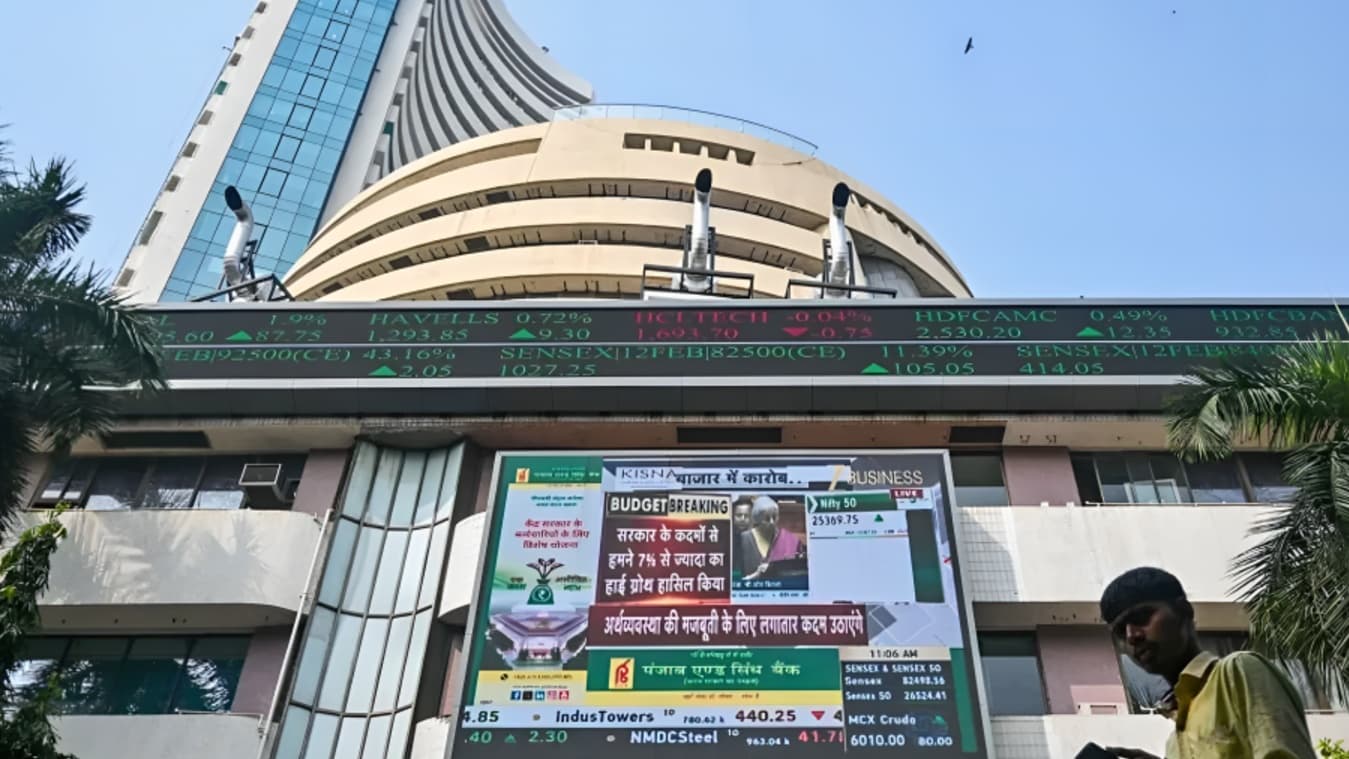
Indian stock markets witnessed volatile trading on Monday, October 26, 2026, as benchmark indices recovered from sharp early losses following renewed buying in select banking, pharmaceutical and metal stocks. The recovery offered some relief to investors after four consecutive sessions of declines. However, concerns about elevated crude oil prices, inflation, liquidity conditions and geopolitical tensions continued to influence market sentiment.
The BSE Sensex and NSE Nifty 50 fell sharply during the opening session, reflecting caution among investors amid uncertainty in global financial markets. As trading progressed, buying emerged in selected stocks, helping the benchmark indices recover a significant portion of their initial losses.
According to intraday market reports, the Sensex recovered more than 600 points from its day's low, while the Nifty 50 rebounded from below 22,400 to move back towards the 22,600 to 22,700 range. The recovery indicated renewed buying interest at lower levels, although analysts continued to advise caution.
Why Did the Sensex and Nifty Recover?
One of the main factors supporting the market recovery was buying in selected heavyweight stocks after recent declines. Investors appeared to take advantage of lower prices in certain companies, particularly in the banking, pharmaceutical and metal sectors.
Kotak Mahindra Bank, Sun Pharmaceutical Industries, Tata Steel and other selected stocks contributed to the improvement in market sentiment during the session. Gains in these shares helped offset weakness in parts of the information technology and consumer sectors.
The recovery followed a difficult period for domestic equities, with the Nifty 50 and Sensex recording losses over the previous four trading sessions. After such declines, some investors may reassess valuations and look for opportunities in companies whose share prices have fallen.
However, a rebound after a market correction does not necessarily indicate that a sustained upward trend has begun. Investors generally look for confirmation through broader market participation, improving global cues and continued buying activity before concluding that sentiment has changed significantly.
Market participants are therefore watching whether the indices can maintain their recovered levels or face renewed selling pressure.
Crude Oil Prices Remain a Major Concern
Elevated international crude oil prices continued to be one of the most important risks for Indian equities. Brent crude traded around 114 dollars per barrel during Monday's session, after reaching a near six month high in the previous trading period.
Concerns about geopolitical tensions in the Middle East and possible disruptions to oil supplies have contributed to the increase in prices. Uncertainty surrounding major oil transportation routes has also kept energy markets sensitive to developments in the region.
India imports a substantial share of its crude oil requirements, making the domestic economy vulnerable to prolonged increases in international energy prices. Higher crude prices can increase the country's import expenditure and create pressure on the external balance.
Rising oil prices can also affect transportation, manufacturing, aviation and logistics businesses. If companies pass higher operating costs on to customers, consumer prices may rise, adding to inflationary pressures.
For equity investors, the concern is that sustained energy costs could affect corporate profitability while also complicating economic and monetary policy decisions.
Inflation and Liquidity Risks in Focus
Inflation remains an important consideration for the stock market because rising prices can influence interest rates, consumer spending and business investment. If energy costs remain elevated for an extended period, they could contribute to higher production and transportation expenses across several sectors.
Higher inflation may limit the scope for monetary easing if policymakers become concerned about persistent price pressures. Interest rates also influence borrowing costs for companies and households, making the outlook for monetary policy an important factor for equity valuations.
Liquidity is another issue that investors monitor closely. Market liquidity refers to the availability of funds and the ease with which financial assets can be bought and sold without causing significant price movements.
Changes in global interest rates, currency movements and foreign investment flows can affect the availability of capital for emerging markets such as India. If global financial conditions tighten, foreign investors may become more selective about allocating funds to riskier assets.
At the same time, domestic institutional investment and available cash in the financial system can influence the extent to which Indian equities absorb selling pressure. The direction of liquidity conditions will therefore remain important in assessing whether the market recovery can continue.
These risks do not guarantee further market declines, but they may contribute to sharp price movements while investors reassess the economic outlook.
US Federal Reserve Decision Could Influence Market Direction
Investors are also preparing for the US Federal Reserve's policy meeting scheduled for October 27 and 28, 2026. The central bank's decision and accompanying commentary could influence global bond yields, the US dollar and investor appetite for emerging-market equities.
A more restrictive policy outlook could keep borrowing costs elevated and support the dollar, potentially placing pressure on foreign investment flows into markets such as India. Conversely, a less restrictive outlook could provide some support to global risk assets.
Market participants will examine the Federal Reserve's assessment of inflation, economic growth and the future direction of interest rates. Even if the policy rate remains unchanged, guidance about upcoming decisions can trigger movements across international financial markets.
For Indian equities, the impact will depend on how the policy outlook interacts with domestic economic conditions, crude oil prices and foreign portfolio investment activity.
Which Sectors and Stocks Are Investors Watching?
Banking stocks attracted buying interest during the recovery, with Kotak Mahindra Bank among the shares supporting benchmark performance. Pharmaceutical and metal stocks also recorded gains in intraday trading.
In contrast, selected information technology and consumer stocks faced selling pressure. Infosys was among the stocks under pressure following a revision to its annual revenue growth outlook, while concerns about global demand continued to influence sentiment towards technology shares.
Sector performance remained uneven, indicating that the recovery was not equally strong across the market. Investors were evaluating individual company developments alongside broader economic risks.
The performance of midcap and smallcap shares is another important area to watch because these stocks can be more sensitive to valuation changes, funding conditions and shifts in investor risk appetite.