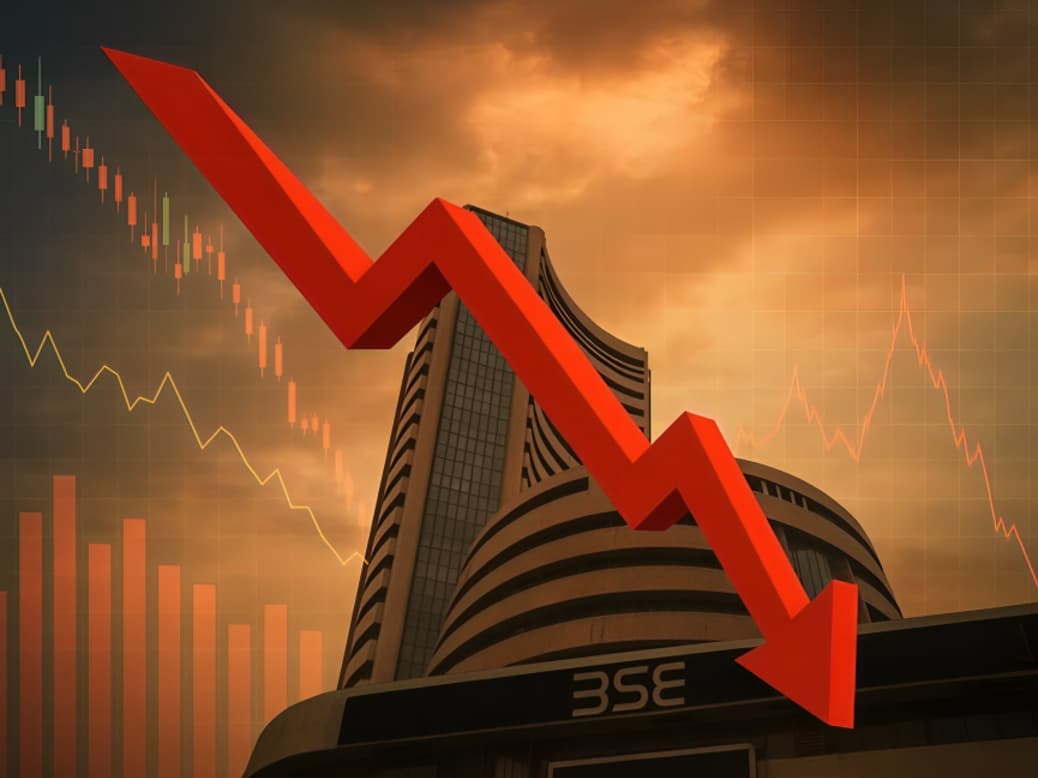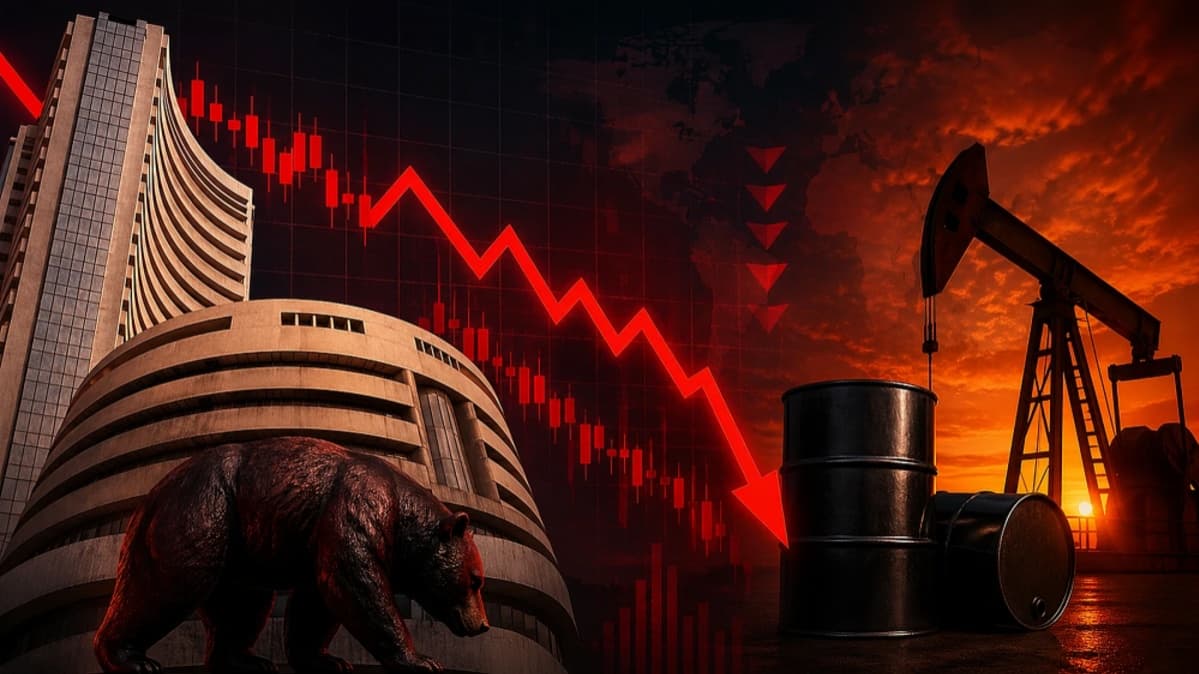

Indian equity markets experienced a major decline during the latest trading session, with benchmark indices recording significant losses amid widespread selling pressure across sectors.
At the close of trading, the BSE Sensex fell by more than 1,300 points, ending near 76,028 points. Meanwhile, the Nifty 50 declined below the important 23,810 level, reflecting a broad market selloff that affected investor sentiment throughout the day.
Market analysts attributed the sharp fall to a combination of global economic uncertainty, weak international market cues, foreign investor activity and profit booking after recent market gains. Several sectors including banking, information technology, metals and financial services witnessed strong selling pressure.
The decline in Indian markets mirrored weakness seen in several global equity markets, where investors remained cautious due to concerns related to geopolitical developments, rising crude oil prices and uncertainty regarding interest rate movements in major economies.
Experts noted that fluctuations in global oil prices continue to impact investor confidence because higher energy costs can influence inflation, trade balances and economic growth projections. Concerns related to international geopolitical tensions also contributed to cautious market behavior.
Foreign institutional investor activity remained another key factor affecting market direction. Analysts stated that overseas investors often reduce exposure to emerging markets during periods of global uncertainty, leading to increased volatility in domestic stock exchanges.
Banking and financial sector stocks were among the major contributors to the market decline, while information technology shares also faced pressure due to concerns regarding global economic growth and demand outlook in international markets.
Mid cap and small cap stocks also recorded losses as broader market sentiment weakened during the session. Traders observed that selling pressure intensified in the second half of trading as investors continued reducing risk exposure.
Financial experts explained that market corrections are a normal part of equity investing, especially after periods of strong upward movement. Profit booking by investors after recent gains can sometimes lead to temporary declines in benchmark indices.
Despite the sharp fall, market observers stated that long term investors generally focus on economic fundamentals, corporate earnings and broader growth trends rather than short term market volatility. Analysts also pointed out that Indian markets have historically shown resilience following periods of correction.
Retail investors closely monitored the session as market volatility increased significantly. Several investors expressed concern over the rapid decline in benchmark indices, particularly because of uncertainty surrounding global economic conditions.
Economists believe that future market direction will depend on factors such as inflation trends, monetary policy decisions, crude oil movements and corporate earnings performance in the coming quarters. International developments and geopolitical stability are also expected to influence investor confidence.
The Indian stock market has witnessed periods of volatility in recent months due to fluctuating global conditions and changing investor expectations. However, analysts continue to view India as one of the important long term growth markets among emerging economies.
Market participants are now expected to closely watch upcoming economic data, central bank decisions and global financial developments for further indications regarding market direction.
The latest trading session highlights the sensitivity of financial markets to international events and investor sentiment. Experts advise investors to remain cautious and maintain diversified investment strategies during periods of heightened market volatility.