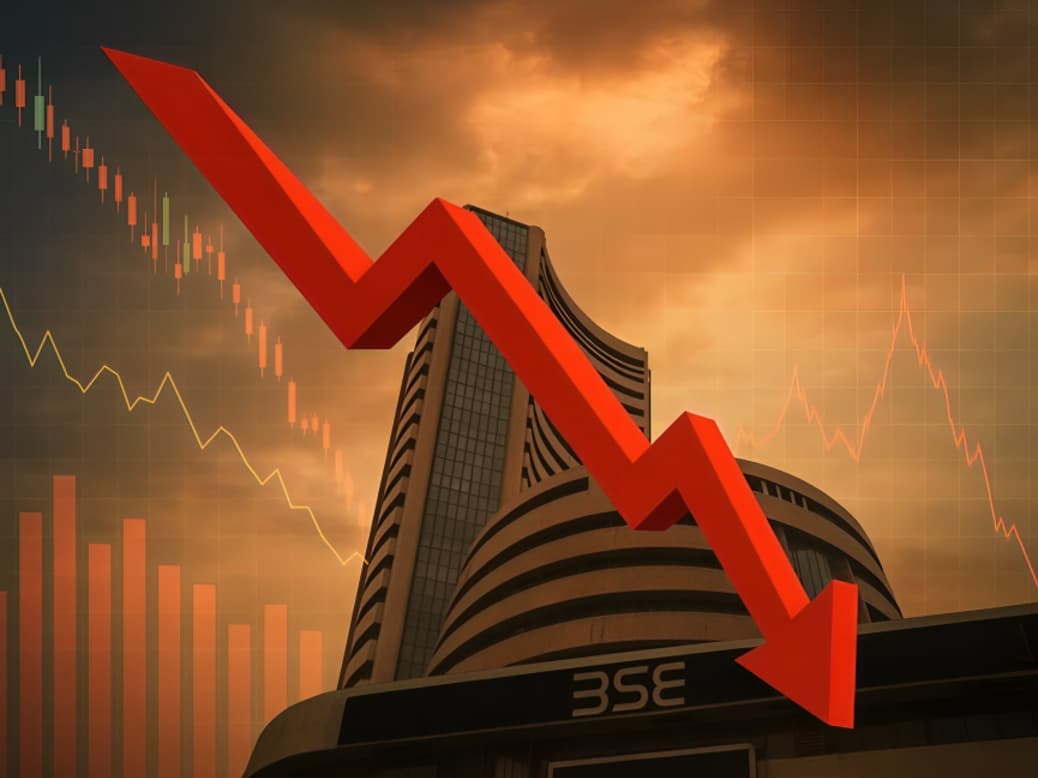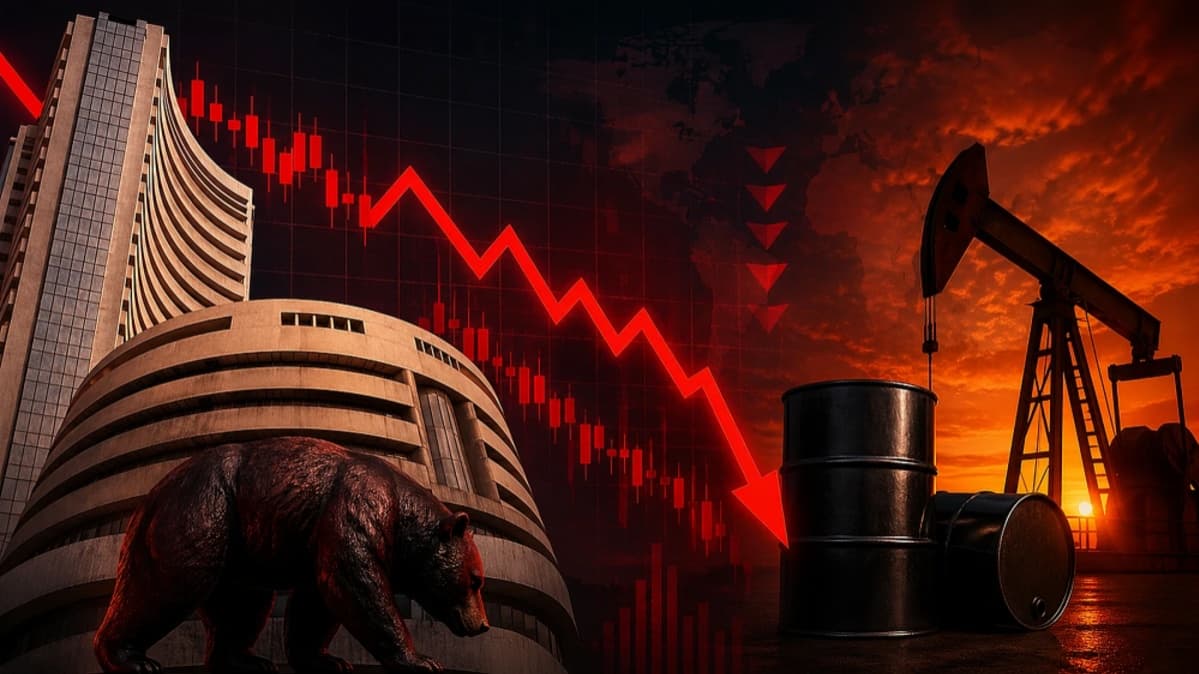
Indian financial markets witnessed a significant downturn as the BSE Sensex dropped more than 500 points, reflecting weak investor sentiment amid global uncertainties. The decline was accompanied by a sharp fall in the value of the Indian rupee, which touched record low levels against the US dollar.
The market downturn is part of a broader trend observed across Asian markets. Regional indices reported losses, with MSCI Asia ex Japan Index declining by around 0.3 percent. This indicates a cautious approach by investors who are reacting to global economic developments and geopolitical concerns.
One of the key factors influencing market sentiment is the situation around the Strait of Hormuz. This region is a critical route for global oil supplies, and any disruption can have widespread economic implications. Concerns about stability in this area have led to volatility in energy prices, which in turn affects markets worldwide.
Rising US bond yields have also contributed to the current market conditions. Higher yields often attract global investors towards US assets, leading to capital outflows from emerging markets such as India. This can result in a decline in stock markets and pressure on local currencies.
The depreciation of the rupee is another important aspect of the current scenario. A weaker currency increases the cost of imports, particularly crude oil, which can impact inflation and overall economic stability. Currency movements are closely monitored by policymakers as they have a direct effect on trade and investment.
Market experts note that the combination of geopolitical tensions and economic factors has created a challenging environment for investors. Uncertainty often leads to cautious trading behavior, with investors preferring to reduce risk exposure.
Despite the current downturn, analysts emphasize that such fluctuations are a normal part of financial markets. Short term volatility is influenced by external factors, while long term trends depend on economic fundamentals such as growth, corporate earnings and policy measures.
Investors are advised to focus on long term strategies and avoid making decisions based solely on short term market movements. Diversification and careful risk management are key principles in navigating uncertain market conditions.
The performance of global markets will continue to play a significant role in shaping domestic trends. Developments related to interest rates, inflation and geopolitical events are expected to influence investor sentiment in the coming weeks.
Indian markets have shown resilience in the past, recovering from periods of volatility. The current situation is being closely monitored by market participants, policymakers and analysts to assess its impact on the broader economy.
Overall, the decline in the Sensex and the weakening of the rupee highlight the interconnected nature of global financial systems. As international developments unfold, their effects are reflected in domestic markets, underscoring the importance of staying informed and prepared.