
Stock Market Today November 23: Sensex and Nifty Reverse Strong Opening Gains as Banking Stocks Lead Selloff
Mumbai, November 23, 2026
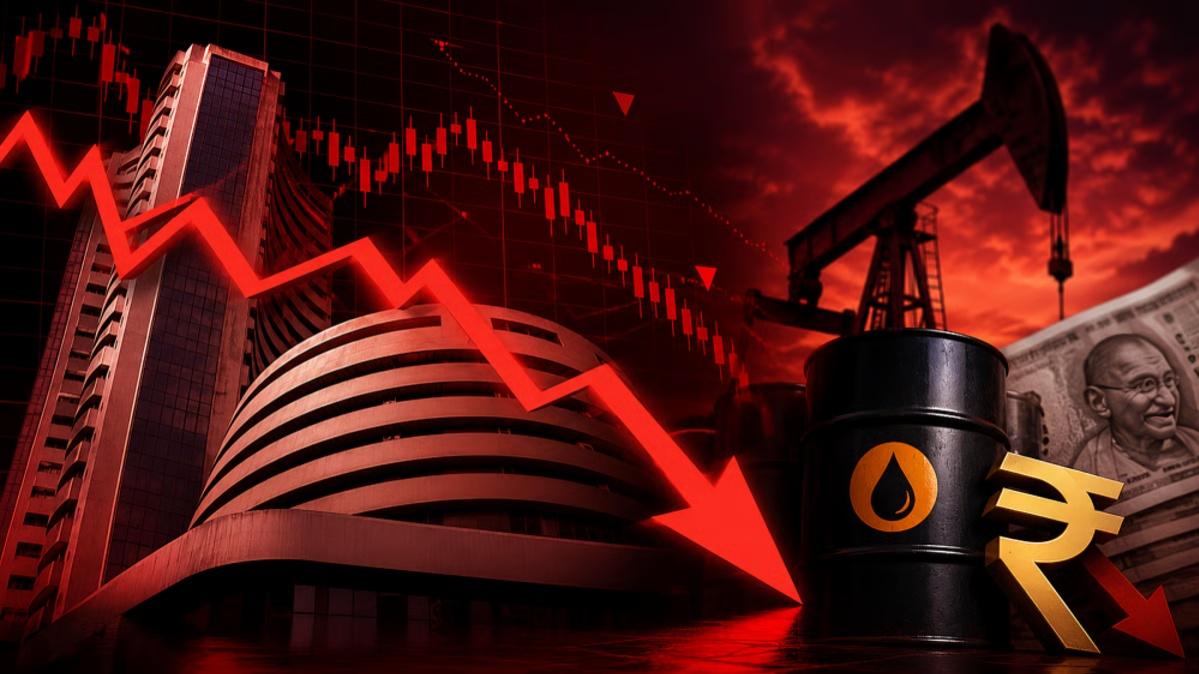
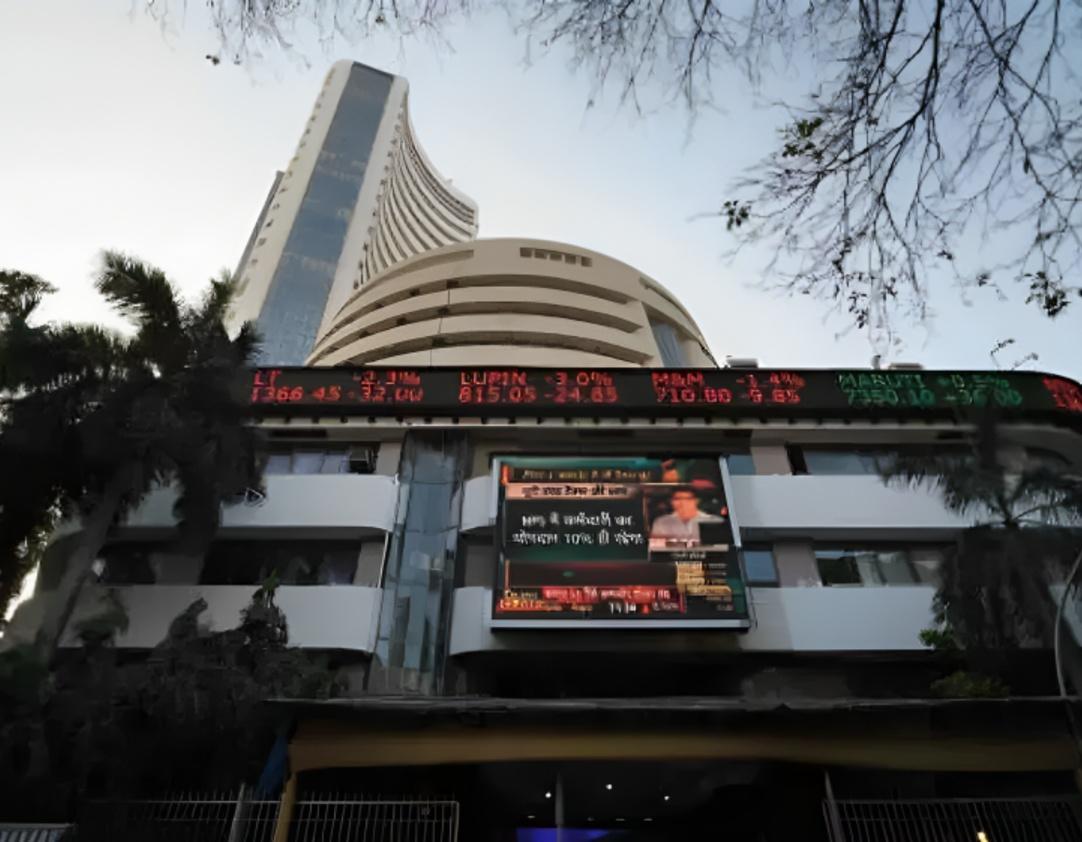
Indian stock markets witnessed a sharp reversal on Monday, November 23, as the BSE Sensex and NSE Nifty 50 surrendered their strong opening gains and ended the trading session significantly lower.
The benchmarks began the week on a positive note, supported by foreign investment inflows, a stronger opening for the Indian rupee and optimism surrounding corporate earnings.
However, selling pressure increased during the session, particularly in banking, financial services and metal stocks.
The Sensex eventually closed at 82,435.99, down 1,483.72 points or 1.77 percent. The Nifty 50 declined 450.95 points or 1.75 percent to settle at 25,349.65.
The sharp fall highlighted the contrast between early investor optimism and the profit booking that dominated trading later in the day.
Sensex and Nifty Begin Trading on a Positive Note
Indian equity benchmarks opened higher on Monday following a strong performance in the previous trading session.
The Sensex opened at 84,421.97, compared with its previous closing level of 83,919.71.
This represented an opening gain of 502.26 points.
The Nifty 50 opened at 25,929.15, gaining 128.55 points from its previous close of 25,800.60.
The positive opening reflected optimism among investors despite weakness in several international equity markets.
Foreign investment inflows and relatively supportive domestic economic conditions contributed to the initial confidence.
Several sectoral indices also traded higher during the opening period.
However, the positive momentum did not continue throughout the session.
Benchmark Indices Reverse Early Gains
After opening higher, both major indices experienced a sharp change in direction.
Investors began selling shares in sectors that had recorded substantial gains during recent weeks.
Banking and financial services companies were particularly affected.
The selling pressure gradually spread across other parts of the market.
As the session progressed, the Sensex and Nifty moved from positive territory into substantial losses.
The Sensex eventually closed nearly 1,500 points lower, while the Nifty declined by more than 450 points.
The reversal demonstrated how quickly market sentiment can change when investors begin taking profits.
It also showed that a strong opening does not necessarily indicate how the market will perform by the end of trading.
Indian Rupee Opens Stronger Against US Dollar
The Indian rupee began Monday's currency trading session on a stronger note.
The domestic currency opened at approximately Rs 92.47 against the US dollar, compared with Friday's closing level of Rs 92.67.
This represented an appreciation of around 20 paise.
The improvement followed a period of stronger foreign investment inflows into Indian financial markets.
A stronger rupee can help reduce the domestic cost of imported goods, particularly commodities priced in US dollars.
This is important for India because the country imports a substantial share of its crude oil requirements.
However, the currency's initial gains did not last.
The rupee later weakened and closed at approximately Rs 92.91 against the US dollar as demand for the American currency increased.
The movement highlighted the volatility affecting both equity and currency markets.
Crude Oil Prices Remain in Focus
International crude oil prices were another important factor influencing investor sentiment.
Brent crude traded around 92 dollars per barrel during the morning session.
Oil prices remained sensitive to geopolitical developments and concerns about potential supply disruptions.
Reports of incidents involving oil tankers near the Strait of Hormuz added to market uncertainty.
The Strait of Hormuz is one of the world's most important routes for transporting crude oil.
Disruptions in the region can affect international energy prices and shipping costs.
However, reports concerning individual incidents should be assessed carefully until their circumstances are independently confirmed.
For Indian markets, oil prices remain important because higher import costs can affect inflation, corporate profitability and the country's external trade position.
Why Crude Oil Matters to India's Economy
India depends heavily on imported crude oil to meet its energy requirements.
Changes in international oil prices can influence several areas of the economy.
Higher crude prices may increase costs for transportation companies, airlines, manufacturers and other energy-intensive businesses.
These expenses can eventually affect consumer prices.
Conversely, lower oil prices can help reduce pressure on import bills and certain business operating costs.
A decline in crude prices may also support the rupee by reducing demand for foreign currency to pay for oil imports.
However, the relationship is not always immediate.
Domestic fuel prices, taxation, exchange rates and supply arrangements also influence the final economic impact.
Investors therefore monitor crude oil movements alongside broader economic indicators.
Corporate Earnings Support Market Optimism
Corporate earnings were another important factor behind the positive sentiment seen before the market reversal.
Several companies had reported financial results that were better than some market expectations.
Improving profitability can encourage investors to reassess the growth prospects of listed businesses.
Stronger earnings may also support valuations when companies demonstrate sustainable revenue growth.
Independent market analyst Ambareesh Baliga expressed optimism about India's market outlook.
He highlighted improvements in crude oil trends, the rupee and concerns surrounding artificial intelligence-related market developments.
Baliga also observed that corporate earnings had performed better than expected despite a challenging operating environment.
His assessment suggested that Indian equities could benefit from improving domestic fundamentals.
However, Monday's decline showed that favourable economic expectations do not eliminate the possibility of short-term corrections.
Banking Stocks Face Heavy Selling
Banking and financial services stocks were among the main contributors to the market decline.
The sector had experienced a strong rally during the preceding weeks.
As a result, investors appeared to use Monday's early gains as an opportunity to book profits.
Major banking stocks, including HDFC Bank and ICICI Bank, recorded significant losses.
The decline in these companies had a substantial impact on benchmark indices because of their large index weightings.
Banking stocks are also sensitive to expectations regarding interest rates, credit growth and economic conditions.
When investors reduce exposure to major financial companies, the effect can spread across the broader market.
The banking sector's weakness was therefore an important factor behind the reversal in Sensex and Nifty.
Metal Stocks Add to Market Weakness
Metal companies also experienced considerable selling pressure.
The sector was affected by weakness in international commodity markets and concerns about global demand.
Tata Steel and other major metal stocks contributed to the decline.
The metal industry is particularly sensitive to changes in global economic activity.
Demand for steel and other industrial metals is closely linked to construction, manufacturing and infrastructure investment.
Currency movements and international commodity prices can also affect profitability.
Monday's decline reflected a combination of sector-specific developments and broader investor caution.
The weakness in metal shares added to losses already recorded in banking and financial services.
Foreign Investment Flows Remain Important
Foreign institutional investment has played an important role in India's recent stock market performance.
Indian equities attracted substantial foreign investment during November.
The inflows helped support the market's rally in the weeks preceding Monday's correction.
International investors have been reassessing their exposure to different markets amid volatility in global technology stocks.
Concerns about high valuations in artificial intelligence-related companies have influenced investment decisions.
Some investors have increased exposure to markets perceived as offering more attractive opportunities.
India has benefited from this shift in investment sentiment.
However, foreign investment flows can change rapidly in response to global interest rates, currency movements and risk appetite.
Global Equity Markets Influence Sentiment
International stock markets remained an important source of uncertainty.
Weakness in major US technology stocks and declines across several Asian markets contributed to cautious investor behaviour.
Concerns about artificial intelligence-related valuations have been a major factor affecting global equities.
Investors are also monitoring the future direction of US interest rates.
Changes in American monetary policy can influence capital flows, bond yields and currency markets worldwide.
For India, these developments may affect foreign investment and market valuations.
However, domestic factors such as corporate earnings, economic growth and financial conditions remain important drivers of Indian equities.
Monday's market movement reflected the interaction of both domestic and international influences.
Profit Booking After Recent Market Rally
One of the main explanations for Monday's decline was profit booking following a sustained market rally.
The Sensex and Nifty had recorded gains over several weeks.
Banking and financial services stocks were among the strongest performers during that period.
After a significant rise, some investors choose to sell their holdings and secure profits.
If many market participants sell at the same time, prices can fall rapidly.
The process can become more pronounced when major index constituents experience heavy selling.
Monday's trading session demonstrated this pattern.
The early gains created an opportunity for investors to reduce positions, contributing to the subsequent decline.
What the Market Volatility Means for Investors
The sharp reversal highlighted the importance of understanding market volatility.
Stock prices can move in response to economic data, company announcements, global developments and investor behaviour.
A positive opening does not guarantee a profitable trading session.
Similarly, a sharp daily decline does not necessarily establish a long-term market trend.
Different sectors may perform differently even during a broad market correction.
Investors assessing market developments should consider company fundamentals, earnings expectations and the wider economic environment.
Short-term price movements alone provide an incomplete picture of a company's financial position.
Market Outlook After November 23 Decline
Following Monday's sharp decline, market participants will continue monitoring banking stocks, foreign investment flows and global economic developments.
Crude oil prices and the rupee's performance are likely to remain important indicators.
Corporate earnings will also influence expectations regarding future business profitability.
Investors may assess whether recent gains have created opportunities for profit booking or whether selling pressure is likely to continue.
However, the direction of the next trading session cannot be determined with certainty.
New information about global markets, commodities and monetary policy could influence investor sentiment.
Final Summary
Indian equity benchmarks opened higher on November 23, 2026, supported by foreign investment inflows, an initially stronger rupee and optimism surrounding corporate earnings.
The Sensex opened at 84,421.97, while the Nifty began trading at 25,929.15.
However, the indices reversed their gains as investors booked profits in banking, financial services and metal stocks.
The Sensex closed at 82,435.99, down 1,483.72 points, while the Nifty settled at 25,349.65, declining 450.95 points.
The rupee also surrendered its early strength and ended near Rs 92.91 against the US dollar.
Crude oil prices, geopolitical developments and global market weakness remained important factors influencing sentiment.
Despite the sharp decline, improving corporate earnings and recent foreign investment inflows continued to provide some support for the broader economic outlook.
The session demonstrated the importance of monitoring both domestic fundamentals and international developments when assessing Indian stock market trends.