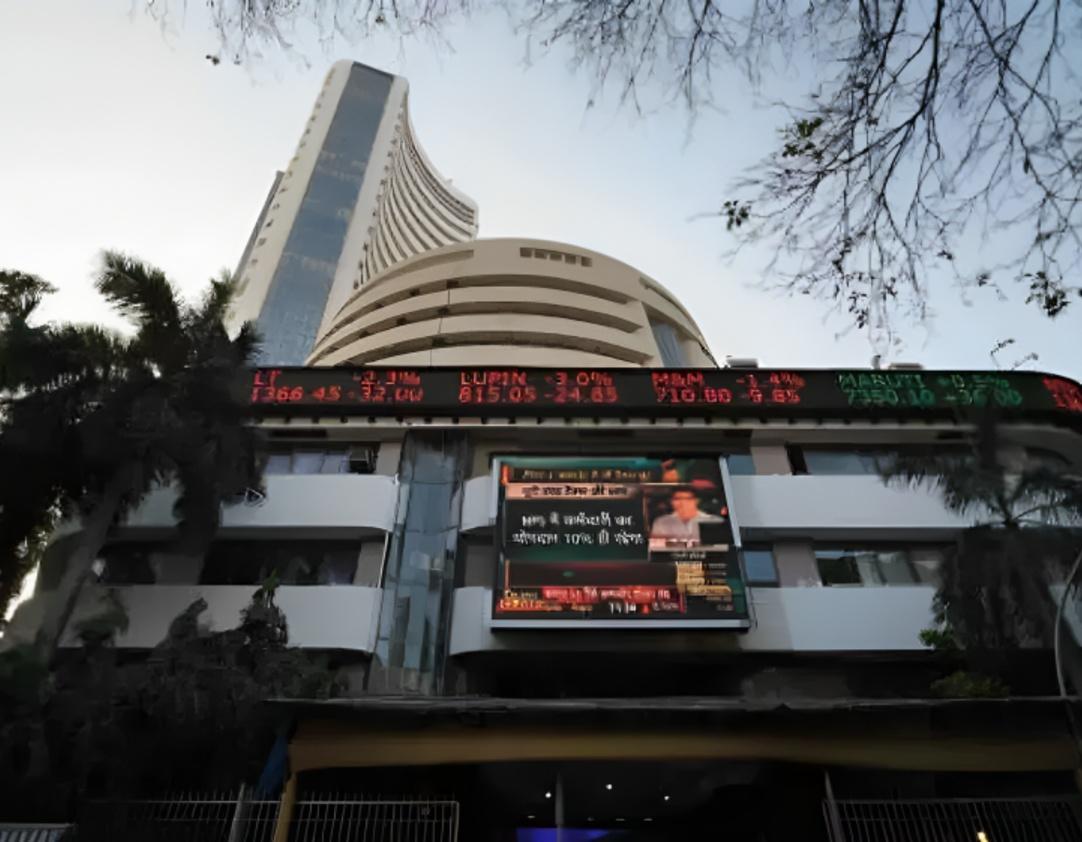

Indian equity markets opened Tuesday's trading session on a positive note, with the benchmark Sensex and Nifty 50 registering moderate gains. Support from foreign portfolio investor inflows and relatively softer crude oil prices helped improve market sentiment. However, concerns about inflation and profit booking in selected stocks limited the overall upward movement.
At the opening bell, the BSE Sensex gained 165.88 points, or 0.20 per cent, to reach 82,270.67. The NSE Nifty 50 advanced 47.45 points, or 0.19 per cent, to open at 25,338.55.
The positive opening indicated cautious optimism among investors. Although the benchmark indices moved higher, the gains remained limited as market participants continued to assess domestic economic concerns and developments in international markets.
Sensex and Nifty Begin the Session Higher
The Sensex and Nifty started Tuesday's session with modest gains, reflecting buying interest in the domestic equity market.
The Sensex, which tracks the performance of major companies listed on the Bombay Stock Exchange, rose by more than 165 points during the opening trade. The Nifty 50, which represents 50 major companies listed on the National Stock Exchange, also moved higher.
The percentage gains in both indices remained close to 0.20 per cent. This suggested a positive but measured response from investors rather than a strong market-wide rally.
Market participants were also watching individual stock movements and sector-specific developments. While some shares attracted buying interest, selling pressure in selected stocks restricted the broader market's advance.
Lower Crude Oil Prices Support Market Sentiment
Relatively softer crude oil prices were among the factors supporting the domestic stock market.
India imports a significant portion of its crude oil requirements. As a result, changes in international oil prices can influence the country's import bill, inflation outlook and business costs.
When crude oil prices ease, the pressure on companies that depend heavily on fuel and energy may reduce. Lower oil prices can also help moderate input costs for sectors such as transportation, aviation, manufacturing and logistics.
A reduction in crude oil prices may also provide some relief to the broader economy by limiting the impact of imported energy costs. This can support investor confidence, particularly when markets are concerned about inflation and operating expenses.
The supplied market update placed crude oil prices at around 92 dollars. However, the exact benchmark, trading time and price movement were not specified. International crude oil prices can change during the trading day, so investors generally monitor live market quotations before making decisions.
Foreign Portfolio Investor Inflows Provide Support
Continued buying by foreign portfolio investors also contributed to the positive market mood.
Foreign portfolio investors, commonly known as FPIs, invest in Indian financial assets such as shares and bonds. Their investment activity is closely watched because significant inflows can increase demand for domestic equities and support market sentiment.
When overseas investors increase their exposure to Indian shares, it can provide additional buying support to benchmark indices. Such inflows may also indicate improved confidence in the outlook for Indian companies and the domestic economy.
However, FPI activity can change depending on global interest rates, currency movements, geopolitical developments and investment opportunities in other markets. Foreign investors may also book profits or reduce exposure when market conditions become uncertain.
The continued buying mentioned in the market update offered some support during Tuesday's opening session, although it was not enough to trigger a stronger rally.
Inflation Concerns Limit Market Gains
Despite the positive opening, concerns surrounding inflation continued to influence investor sentiment.
Inflation affects the cost of goods and services across the economy. Higher inflation can increase operating expenses for companies, reduce consumer purchasing power and influence expectations about interest rates.
Investors closely monitor inflation because it can affect corporate earnings and the broader economic outlook. If inflation remains elevated, expectations of monetary policy changes may also influence stock valuations.
For Indian markets, changes in food prices, fuel costs and other essential expenses are important factors in assessing the inflation outlook. Crude oil prices also remain significant because India depends heavily on imported energy.
These concerns encouraged investors to remain cautious even as the benchmark indices opened higher.
Profit Booking Restricts the Broader Rally
Profit booking in selected stocks was another factor limiting the market's gains.
Profit booking occurs when investors sell shares to secure gains after prices have increased. Such selling activity can create temporary pressure on individual stocks and sometimes restrict the movement of broader market indices.
During a trading session, buying and selling activity can vary across sectors and companies. Even when benchmark indices open higher, weakness in selected shares may prevent a stronger overall advance.
The market's modest opening gains reflected this balance between positive factors, such as foreign investor inflows and softer crude oil prices, and concerns such as inflation and profit booking.
What Investors May Watch During the Session
Investors are likely to monitor several developments as trading progresses. These include movements in international crude oil prices, foreign investor activity, global equity trends and domestic economic indicators.
The performance of major companies and sector-specific developments may also influence the direction of the Sensex and Nifty. Any significant change in oil prices or global market sentiment could affect buying and selling decisions.
The opening figures provide only an initial picture of market activity. The direction of the indices may change during the session as fresh information and trading activity influence investor sentiment.
Overall, Indian equity benchmarks began Tuesday's session with moderate gains. The Sensex rose 165.88 points to 82,270.67, while the Nifty 50 advanced 47.45 points to 25,338.55. Softer crude oil prices and foreign portfolio investor inflows supported the market, while inflation concerns and profit booking prevented a stronger rally.