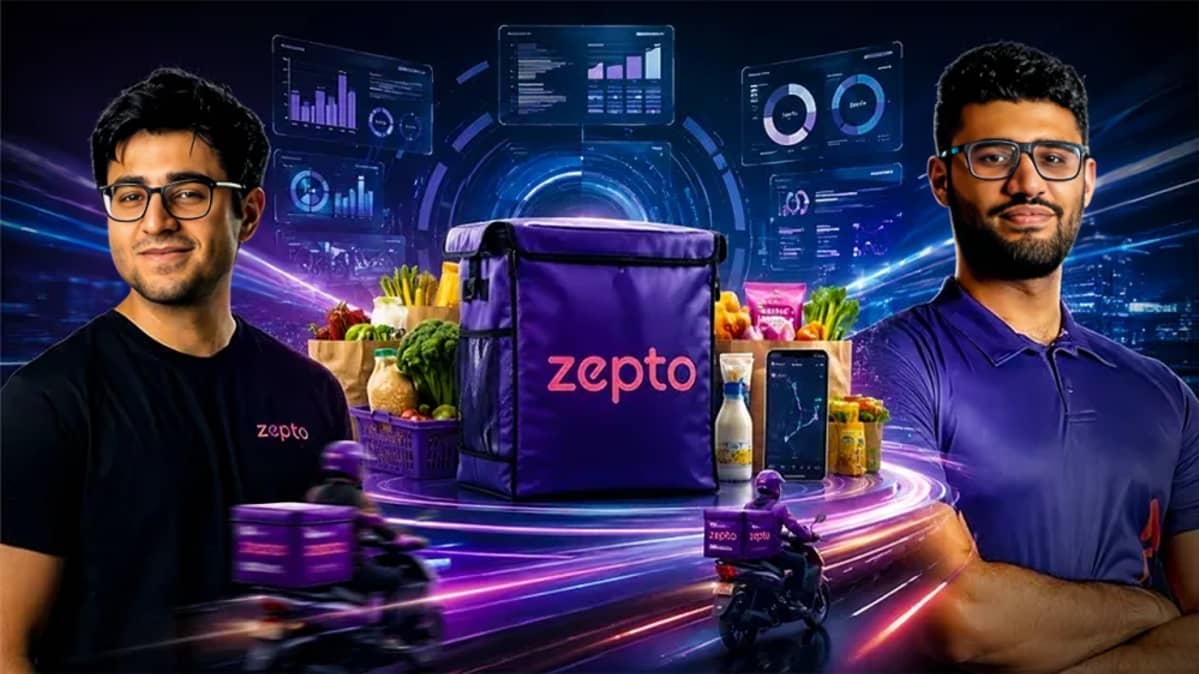

Quick commerce company Zepto has reportedly witnessed a decline in its user base for the first time, despite significantly increasing its marketing and promotional spending. The development highlights the growing challenges faced by companies operating in India's highly competitive quick commerce sector, where businesses are investing heavily to attract and retain customers.
Over the past few years, the quick commerce industry has expanded rapidly, driven by changing consumer preferences and increasing demand for fast delivery services. Companies have competed aggressively by offering discounts, promotional campaigns, loyalty benefits, and faster delivery options. Zepto has emerged as one of the major players in this segment, competing with several established and emerging platforms.
The latest reports indicate that despite increased spending on marketing initiatives, the company experienced a reduction in active users during the reported period. Industry observers note that customer acquisition has become increasingly expensive as competition intensifies among market participants.
Marketing expenditure is often used by digital platforms to improve brand visibility, attract new customers, and encourage repeat purchases. However, experts point out that higher spending does not always guarantee sustained user growth. Customer retention, service quality, pricing strategies, and overall user experience also play critical roles in determining long term success.
The quick commerce market in India has undergone significant transformation in recent years. Consumers now have access to multiple delivery platforms offering groceries, household products, personal care items, and daily essentials within short delivery windows. This has created a highly competitive environment where customers can easily switch between service providers based on convenience and pricing.
Industry analysts believe that user retention is becoming a more important metric than customer acquisition alone. While attracting new users remains essential, maintaining engagement among existing customers often determines the long term sustainability of a platform. Companies are therefore focusing on improving operational efficiency, expanding product offerings, and enhancing customer satisfaction.
Zepto has continued to expand its operations across several cities and invest in logistics infrastructure to strengthen its delivery network. The company has also introduced various promotional campaigns aimed at increasing customer engagement and market share. Despite these efforts, the reported decline in users suggests that competition remains intense.
Experts also note that consumer behavior in the digital commerce sector can change rapidly. Economic conditions, pricing preferences, service reliability, and product availability often influence purchasing decisions. As a result, companies must continuously adapt their business models to meet evolving customer expectations.
The broader quick commerce industry remains one of the fastest-growing segments within India's digital economy. Investors and market observers continue to monitor key performance indicators such as active users, order volumes, revenue growth, and profitability. These metrics provide valuable insights into the health and sustainability of business operations.
For Zepto, the reported decline in users may serve as an opportunity to reassess customer engagement strategies and strengthen retention efforts. Industry experts suggest that innovation, operational excellence, and customer-centric services will be critical factors in maintaining competitiveness in the evolving market landscape.
As the sector continues to grow, companies are expected to focus not only on expanding their customer base but also on building lasting relationships with users. The coming months will likely provide a clearer picture of how leading quick commerce platforms adapt to changing market dynamics and consumer expectations.