Avadh Ojha Highlights Social Media Addiction and Emotional Challenges Among Young Students
Educator Avadh Ojha has highlighted the growing challenges faced by young students in an increasingly digital world. Raising concerns about excessive social media usage, mindless scrolling and constant distractions, he emphasised the importance of mental peace, emotional well-being and self-awareness among students.
In today's digital environment, smartphones and social media platforms have become an important part of everyday life. Students use these platforms for communication, entertainment, educational information and networking. However, excessive usage can sometimes interfere with their studies, daily routines and personal development.
Avadh Ojha pointed out that young people often spend considerable amounts of time scrolling through social media without a specific purpose. This habit can make it difficult for them to concentrate on important activities and maintain a balanced lifestyle.
His observations highlight the need for students to understand their digital habits and develop better control over their time and attention.
Mindless Scrolling and Digital Distractions
Social media platforms provide continuous access to videos, photographs, entertainment content and updates. Although these platforms can be useful, spending too much time on them may become a distraction.
Many students start using their smartphones for a few minutes but eventually spend much longer than planned. Repeatedly checking notifications, watching short videos and browsing different platforms can interrupt study sessions and reduce productivity.
This pattern of excessive screen usage can also make it difficult for students to maintain consistent study schedules. When attention is repeatedly diverted towards digital content, completing academic tasks may require more time and effort.
Avadh Ojha's concerns draw attention to the importance of using technology responsibly. Students need to recognise when entertainment becomes excessive and establish healthier boundaries around smartphone usage.
Guilt and Mental Restlessness Among Students
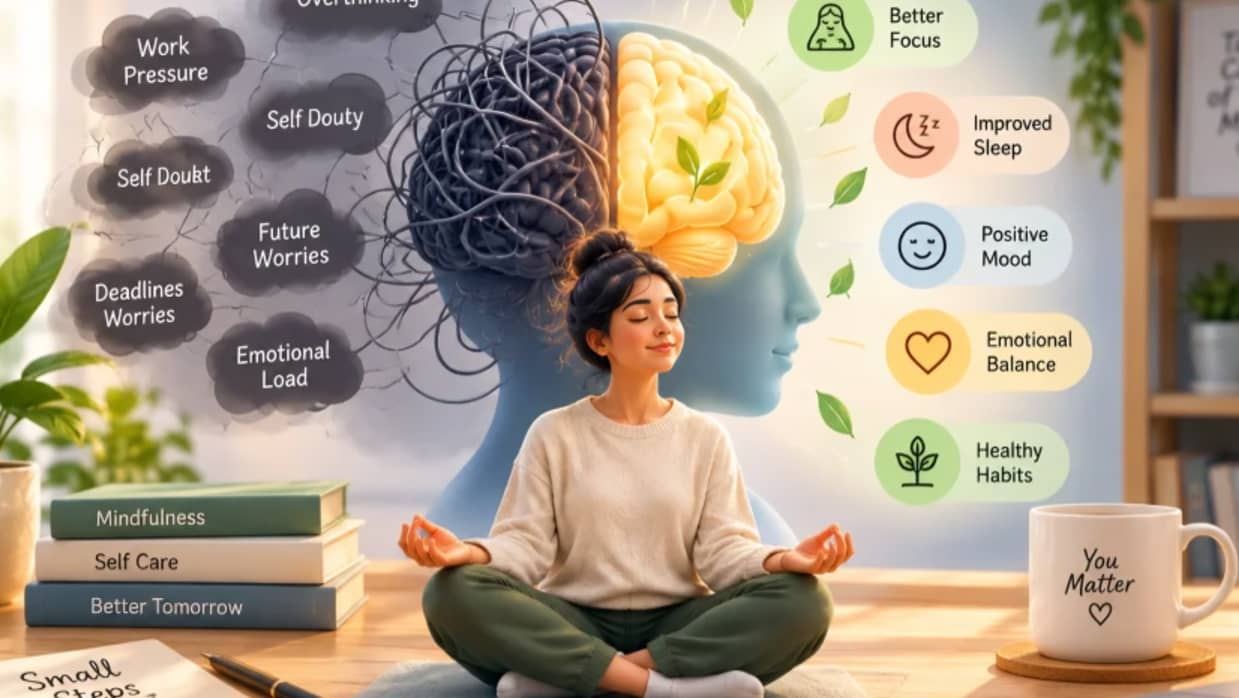
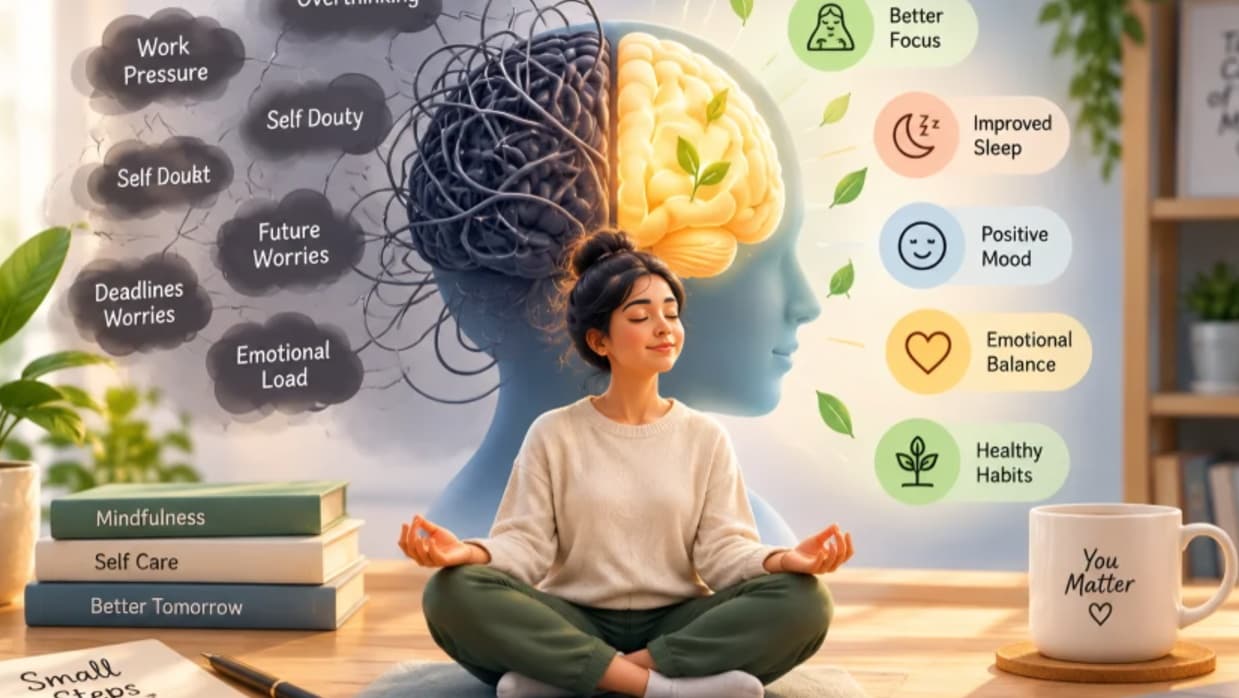
Another important issue associated with excessive social media usage is the emotional impact it can have on young people.
Students may sometimes spend several hours browsing social media and later feel guilty about wasting time that could have been used for studying or other productive activities.
This feeling of guilt can create additional mental pressure, particularly among students who are already dealing with academic expectations and examination-related stress.
Constant exposure to other people's achievements, lifestyles and success stories may also encourage unhealthy comparisons. Some students may begin to feel that they are falling behind their peers.
Such experiences can contribute to dissatisfaction, unnecessary pressure and reduced confidence. Developing awareness of these emotional patterns is therefore important for maintaining a healthier relationship with technology.
Importance of Self-Awareness and Emotional Well-Being
Avadh Ojha emphasised the importance of looking beyond conventional academic education and giving attention to personal development.
Education is generally associated with textbooks, classroom learning, examinations and academic results. However, the overall development of students also depends on their ability to understand their emotions, manage pressure and make responsible decisions.
Self-awareness helps students recognise their habits, identify distractions and understand how their daily activities influence their mental well-being.
Emotional development is equally important because students regularly face different challenges, including academic competition, family expectations, peer pressure and uncertainty about their future.
Learning to manage these situations can help young people develop confidence, patience and a balanced approach towards life.
How Students Can Reduce Digital Distractions
Managing smartphone usage does not necessarily mean completely avoiding technology. Instead, students can develop practical habits that allow them to use digital platforms without affecting their daily responsibilities.
Setting specific time limits for social media applications can help reduce unnecessary screen time. Keeping smartphones away while studying may also improve concentration.
Students can divide their study schedules into manageable sessions and take short breaks between activities. Turning off unnecessary notifications can further reduce interruptions.
Spending time on physical activities, reading books, hobbies and face-to-face conversations can also help create a healthier daily routine.
Most importantly, students should avoid comparing their progress with the achievements displayed by others on social media.
Education Should Focus on Overall Development
Avadh Ojha's observations highlight a broader question about the purpose of education in modern society.
Academic knowledge is essential for building professional skills and achieving career goals. However, education should also help students develop discipline, independent thinking, emotional maturity and personal responsibility.
Students who understand their strengths and weaknesses may be better prepared to handle academic challenges and future responsibilities.
Parents, teachers and educational institutions also have an important role in encouraging healthy digital habits. Open conversations about screen time, emotional pressure and responsible technology usage can help students make better decisions.
A Balanced Approach to Modern Student Life
The growing influence of digital technology has created new opportunities as well as challenges for students. Social media can provide access to educational resources and useful information, but excessive usage may affect concentration and personal routines.
Avadh Ojha's message highlights the importance of maintaining a balance between digital engagement, academic responsibilities and emotional well-being.
His observations encourage students to become more aware of their habits, reduce unnecessary distractions and give importance to their inner development.
Ultimately, education should not be measured only through marks and examination results. Building a healthy mind, developing self-discipline and understanding one's emotions are also important aspects of a student's overall growth.