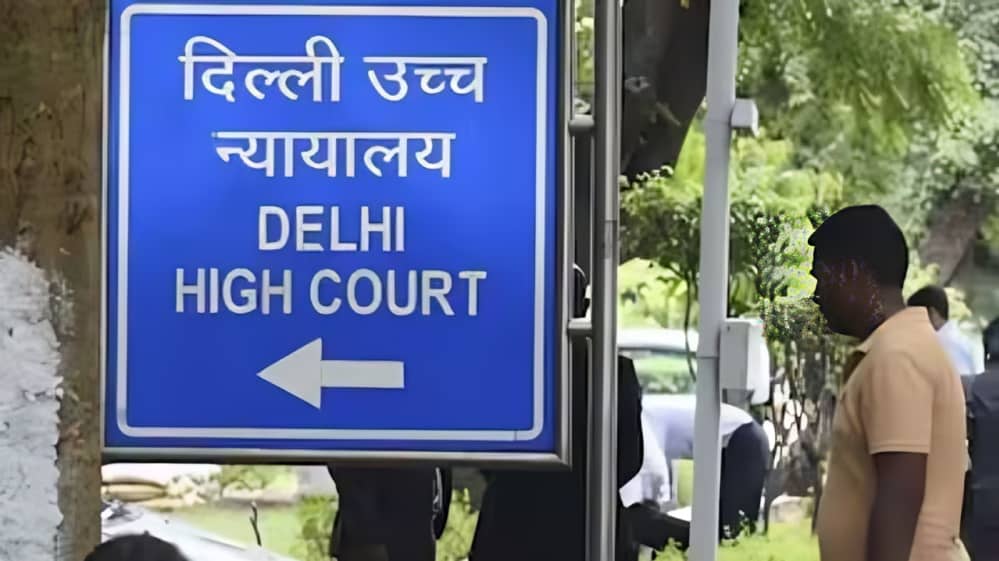
The Delhi High Court has granted private schools an extension to form School-Level Fee Regulation Committees (SLFRC), pushing the deadline from February 10 to February 20. The decision comes in response to petitions filed by several school associations challenging the Delhi government’s February 1 notification, which mandated the constitution of these committees within ten days.
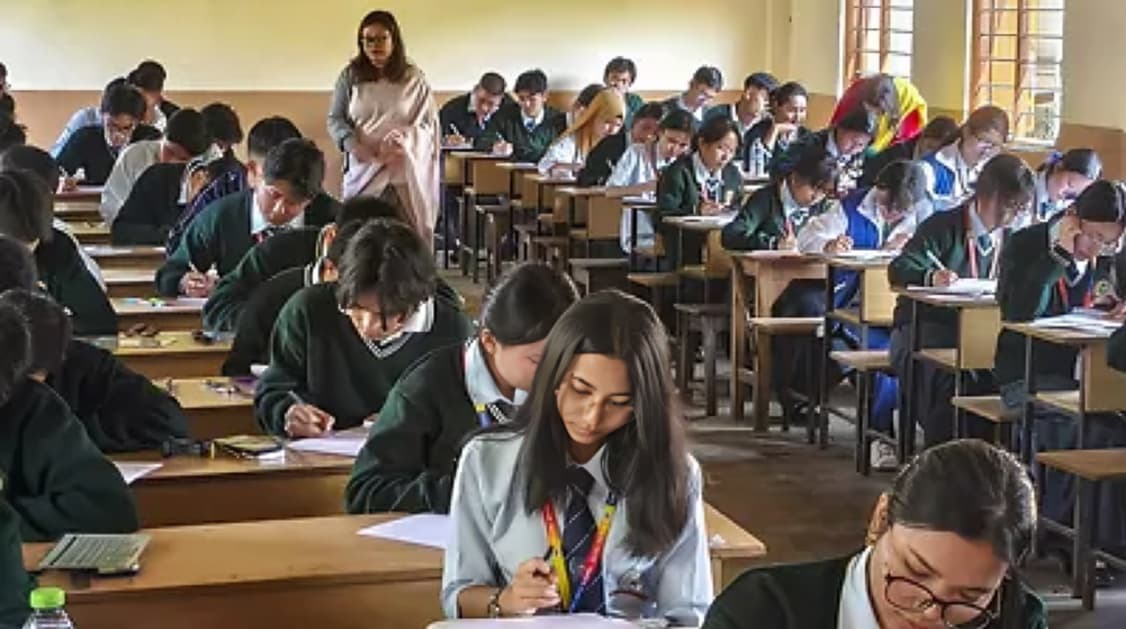
The bench, comprising Chief Justice D K Upadhyaya and Justice Tejas Karia, issued notices to the Delhi government while observing that no prejudice would arise if the formation of SLFRCs was deferred. The court noted that delaying the committee formation would not impact either the schools or the government, nor would it affect the process for fixing fees for the upcoming 2026-2027 academic session.
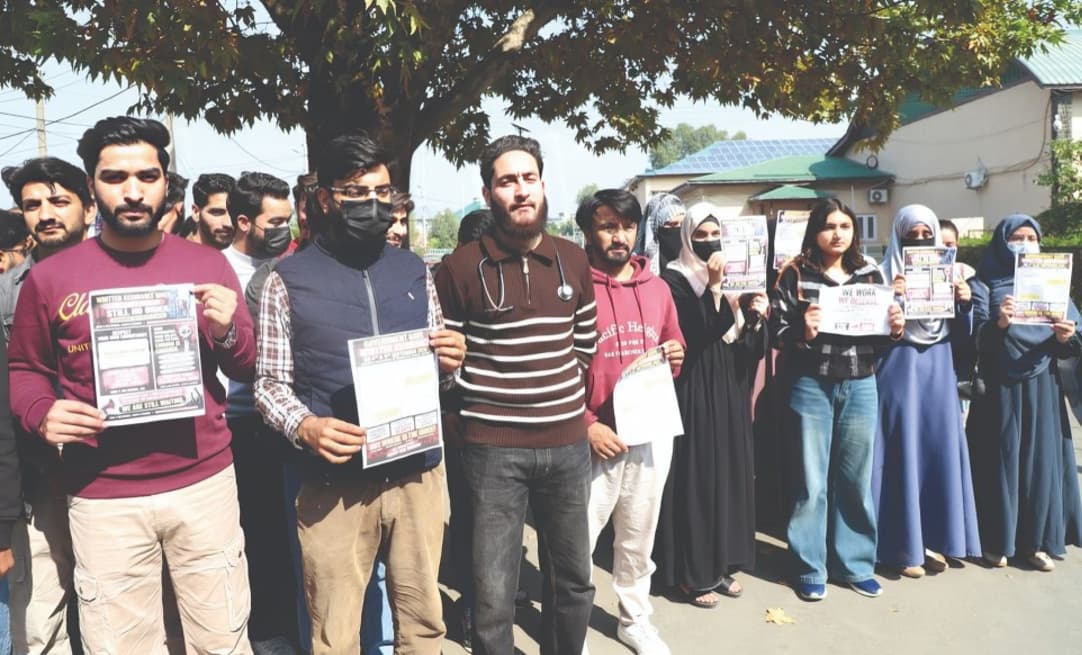
School associations argued that the 10-day timeframe was too short for proper compliance, considering the procedural and administrative requirements involved in setting up the committees. These bodies are tasked with reviewing fee structures, ensuring transparency, and addressing grievances related to school fees. The associations maintained that adequate time was necessary to constitute the committees effectively, without causing operational difficulties.
The Delhi government’s February 1 notification directed all private schools to establish SLFRCs to regulate fees for the 2026-2027 academic year. The committees are expected to include school management representatives, parents, and education experts to ensure a fair and balanced approach to fee fixation. This move is part of broader efforts by the government to ensure accountability and transparency in private school fee structures.
The High Court’s extension provides relief to schools, allowing them sufficient time to constitute the committees and comply with the notification without legal or procedural complications. By extending the deadline to February 20, the court has balanced the interests of private schools with the government’s objective of monitoring fee regulation.
Experts note that the formation of SLFRCs is a critical step in maintaining transparency in private school fee structures, especially in Delhi, where fees have been a matter of public debate. The committees are expected to play a key role in addressing complaints from parents and ensuring that fee increments are justified and reasonable.
In conclusion, the Delhi High Court’s decision to extend the deadline for SLFRC formation to February 20 provides a practical solution to administrative challenges faced by schools while maintaining the integrity of the fee regulation process. Schools are now expected to complete the constitution of their committees within this revised timeline to ensure a smooth and transparent fee fixation process for the academic session 2026-2027.