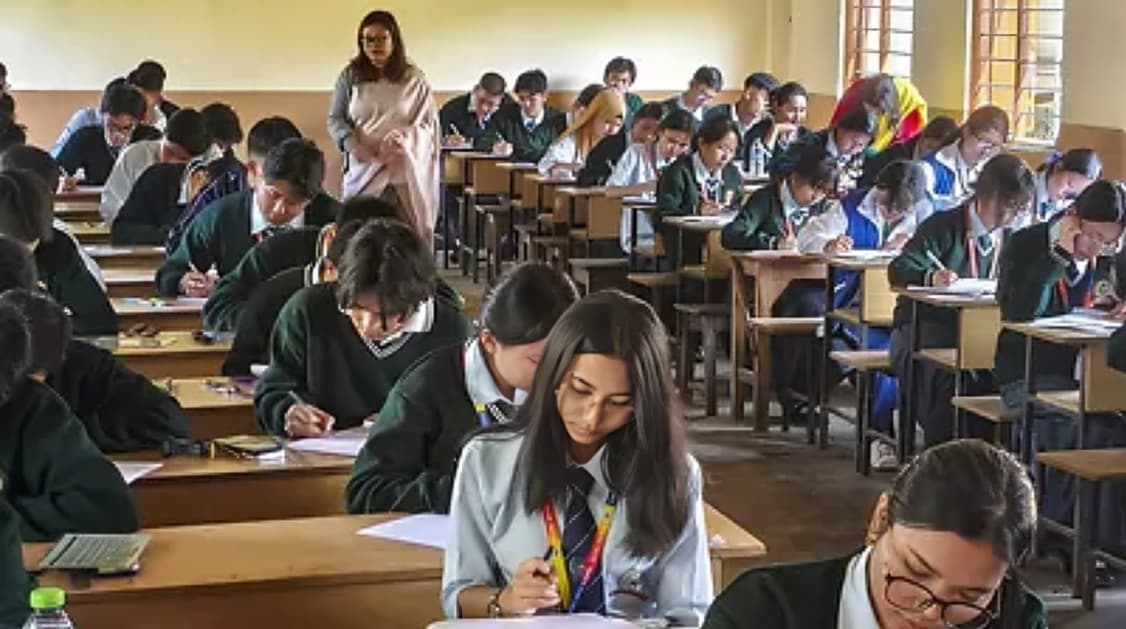
Authorities in Delhi have introduced a set of guidelines for schools in response to increasing temperatures and heatwave conditions. The measures are aimed at safeguarding students and staff by reducing exposure to extreme heat during school hours.
One of the key directives is the implementation of a water bell system in all schools. This system involves scheduled reminders encouraging students to drink water at regular intervals. The initiative is designed to prevent dehydration, which is a common risk during periods of high temperature. Ensuring adequate hydration is considered an essential step in maintaining student health and well being.
In addition to the water bell system, schools have been instructed to avoid conducting assemblies in open grounds. Morning assemblies are a common practice in many institutions, but exposure to direct sunlight during peak heat conditions can pose health risks. By shifting assemblies indoors or modifying schedules, schools can reduce the likelihood of heat related illnesses among students.
The guidelines also require schools to appoint nodal officers responsible for monitoring and implementing heat safety measures. These officers will play a key role in ensuring that the instructions are followed and that any issues are addressed promptly. Having a designated point of contact helps streamline communication and coordination within the institution.
Authorities have set a deadline of May 2 2026 for schools to submit compliance reports detailing the steps taken to implement these measures. This requirement ensures accountability and allows officials to assess the effectiveness of the guidelines. Schools are expected to provide accurate information about their preparedness and adherence to the instructions.
Heatwaves have become a growing concern in many parts of India, with rising temperatures affecting daily life and public health. Children are particularly vulnerable to heat related conditions such as dehydration, heat exhaustion and heatstroke. Educational institutions therefore play a crucial role in implementing preventive measures and creating a safe environment.
Experts emphasize that simple steps such as staying hydrated, avoiding direct sunlight and taking regular breaks can significantly reduce the risk of heat related illnesses. Schools are encouraged to educate students about these precautions and promote awareness among parents as well.
The introduction of these guidelines reflects a proactive approach by authorities in addressing the challenges posed by extreme weather conditions. By focusing on practical measures, the initiative aims to minimize disruptions to education while ensuring the safety of students.
Parents and guardians have also been advised to support these efforts by ensuring that children carry sufficient water and wear appropriate clothing. Collaboration between schools and families is essential in managing the impact of heatwaves effectively.
As temperatures continue to rise, the implementation of such measures will be closely monitored. Authorities may issue further instructions based on weather conditions and feedback from schools.
Overall, the guidelines introduced in Delhi highlight the importance of preparedness and preventive action in dealing with heatwave conditions. By adopting these measures, schools can create a safer environment for students and contribute to their overall well being during challenging weather conditions.