Delhi University’s recent proposal to expand the use of online learning platforms such as SWAYAM for earning academic credits has triggered strong reactions from faculty members. The initiative is aimed at offering students greater flexibility in choosing courses and completing their academic requirements through Massive Open Online Courses. However, several teachers have expressed concerns about the long term impact of this move on the quality of education.
According to the proposal, students would be allowed to enroll in courses available on SWAYAM and other approved online platforms and earn credits that would count towards their degree. The university believes that this approach will help students access a wider range of subjects and learn at their own pace. It also aligns with the broader push towards digital education in India.
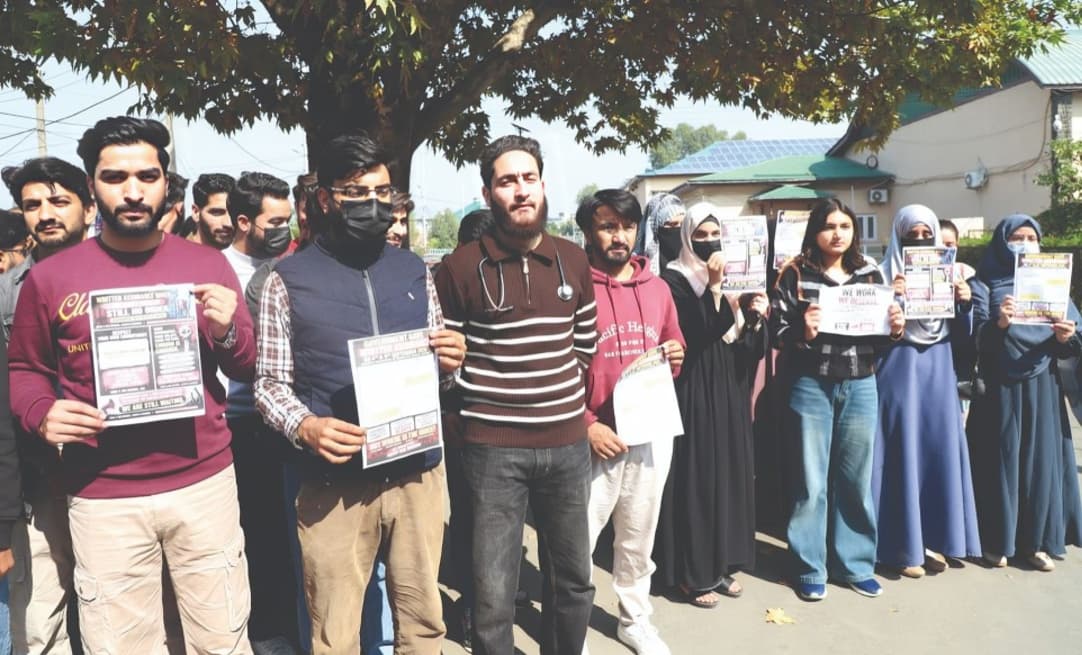
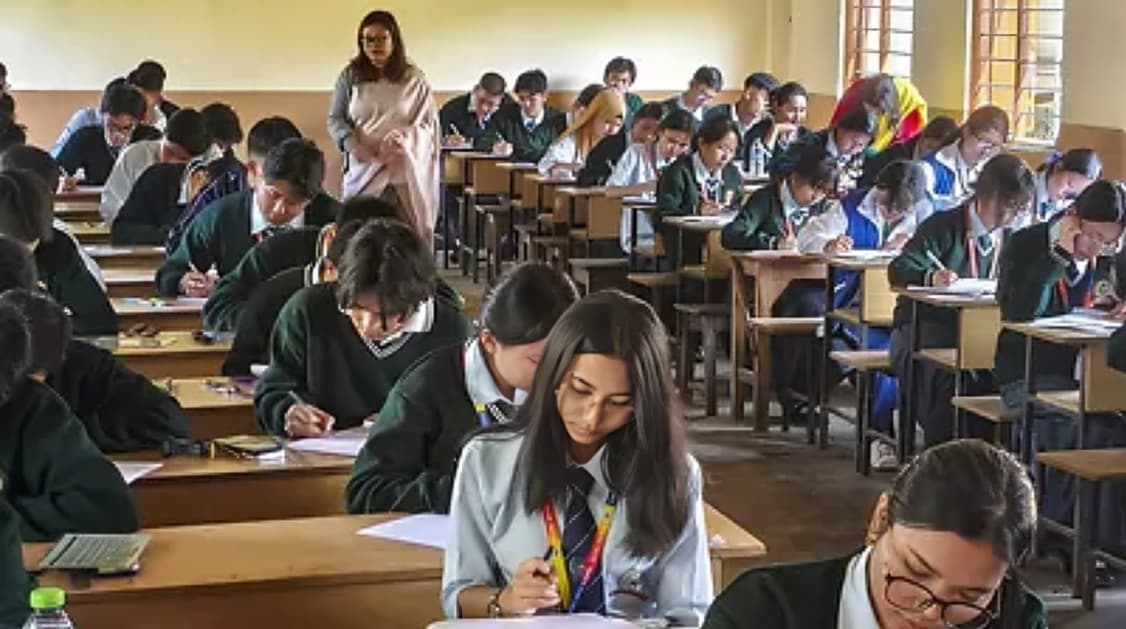
Despite these advantages, many faculty members have raised objections. One of the primary concerns is that increased reliance on online courses could weaken the traditional classroom teaching system. Teachers argue that face to face interaction plays a crucial role in a student’s learning process, allowing for better understanding, discussion, and mentorship. They fear that shifting a significant portion of education to online platforms may reduce the effectiveness of teaching.
Another major issue highlighted by faculty is the digital divide among students. Not all students have equal access to reliable internet connectivity or digital devices. This could create inequality, where some students benefit from online resources while others struggle to keep up. Faculty members have warned that such disparities could affect academic performance and overall learning outcomes.
There are also concerns about the standardization and quality of online courses. Teachers believe that not all courses available on MOOC platforms maintain the same level of academic rigor as university designed curricula. Ensuring that these courses meet the university’s academic standards will be a significant challenge.
On the other hand, university officials have defended the proposal, stating that it is designed to complement, not replace, traditional teaching methods. They have emphasized that students will still attend regular classes, and online courses will be an additional option to enhance their learning experience. The initiative is also seen as a step towards modernizing the education system and making it more adaptable to changing needs.
The debate over the SWAYAM credit plan reflects a broader discussion about the role of digital education in higher learning. While online platforms offer flexibility and accessibility, they also raise questions about quality, inclusivity, and the future of classroom teaching.
As discussions continue, Delhi University is expected to review feedback from faculty members and make necessary adjustments to the proposal. The outcome of this debate could influence how digital education policies are implemented in universities across the country.