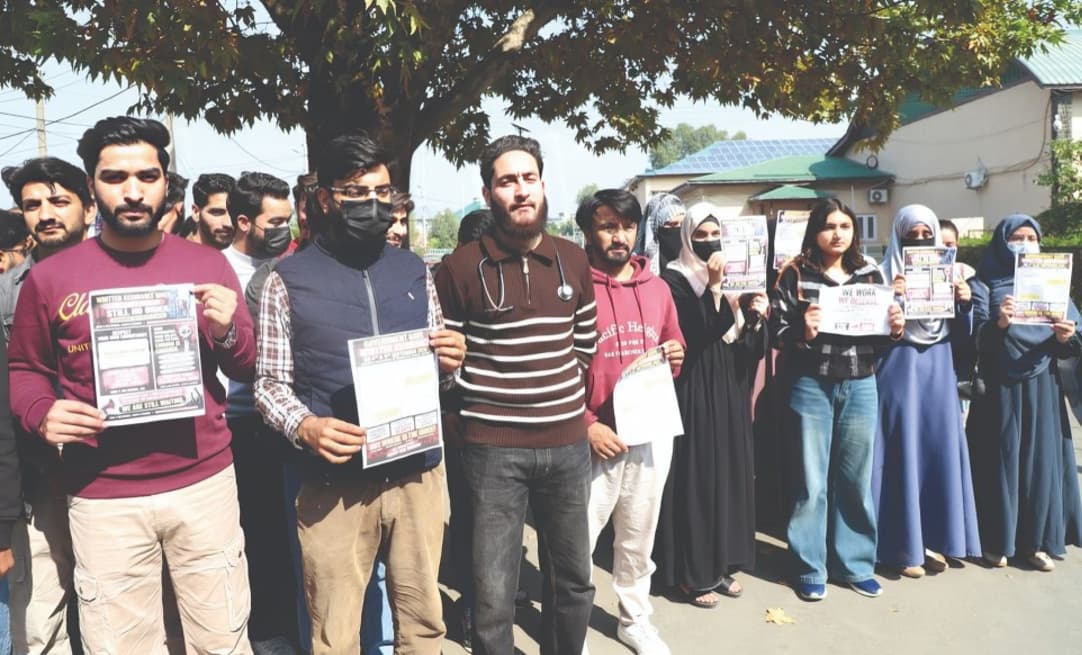
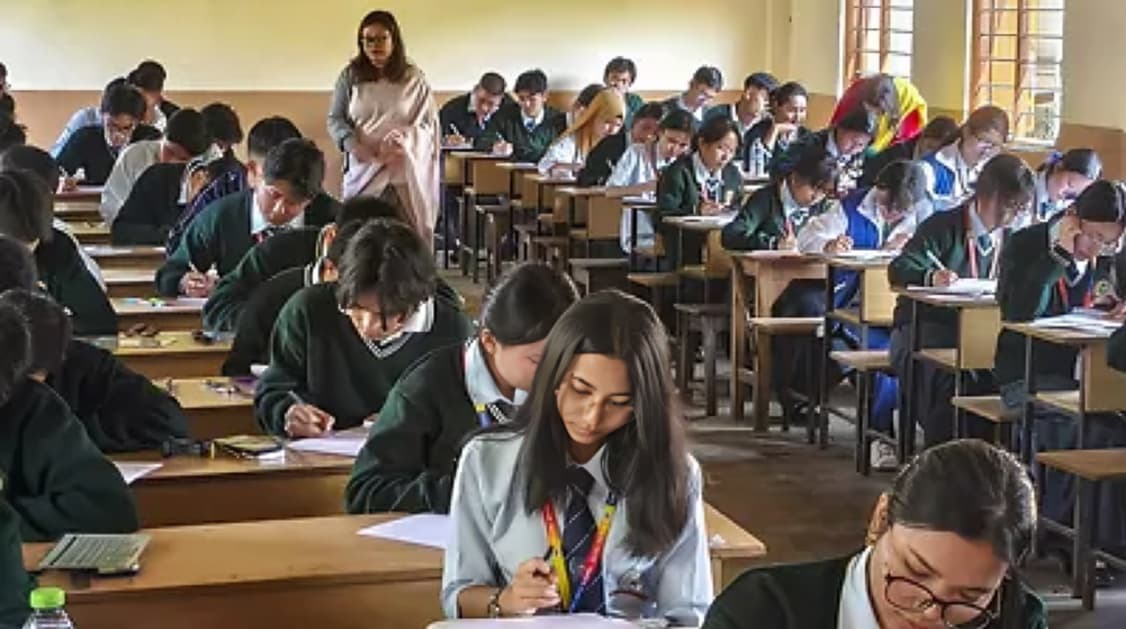
As the new academic year approaches, Indian students aspiring to pursue higher education in the United States are facing difficulties in obtaining timely visa appointments. With many university programs set to begin in the coming months, delays in scheduling visa interviews have caused stress and uncertainty among thousands of students across the country.
According to students and education consultants, the US embassy and consulates in India are currently experiencing high demand for visa appointments, particularly for F-1 student visas. The surge in applicants, combined with limited slots and processing constraints, has resulted in long waiting periods. In some cities, students have reported waiting several weeks just to secure an appointment, putting their university admission timelines at risk.
The issue has become a major concern for families and educational institutions alike. Students worry about missing orientation dates, losing scholarships, or even deferring their studies due to visa-related delays. Educational consultants have stated that this is one of the busiest years for US-bound students from India, with enrollment numbers rising steadily post-pandemic. However, the visa bottleneck threatens to disrupt the process.
In response to the growing concern, the Indian government has stepped in to assist affected students. The Ministry of External Affairs has confirmed that it is in communication with US officials and has requested increased appointment slots to accommodate the current demand. Officials have also highlighted the importance of timely visa processing for students who have already secured admission and fulfilled all academic requirements.
US embassy officials have acknowledged the issue and assured that efforts are being made to increase visa processing capacity. In previous years, similar situations were addressed through special student-focused interview days and expanded working hours at consulates. Authorities are expected to take similar steps this year as well, though no official announcement has been made regarding changes in appointment availability.
Meanwhile, Indian students are being advised to regularly check the US embassy’s website for updated appointment slots and to explore alternative consulate locations if their nearest center is fully booked. Some students have even resorted to traveling across states to attend interviews at consulates with available slots.
The situation underscores the ongoing challenges within global mobility for students, especially when demand exceeds the processing capacity of diplomatic missions. It also highlights the importance of early planning and coordinated efforts between countries to ensure that deserving students are not denied opportunities due to procedural delays.
In addition to governmental efforts, several universities in the United States are offering flexibility to affected students by allowing late arrivals or remote learning options for the initial weeks of the term. These steps aim to reduce the burden on students who are still in the process of obtaining their visas.
In conclusion, while the visa appointment struggle remains a pressing concern, proactive steps by both the Indian and US governments may help ease the situation in the coming weeks. Students are encouraged to remain patient, stay informed, and utilize all available support systems to navigate the process.