Government schools play an important role in providing education to millions of children across India. Over the years, governments have introduced several initiatives to improve school infrastructure, construct classrooms, provide basic facilities and strengthen educational institutions. However, concerns continue to emerge regarding the actual quality of education delivered in many government schools.
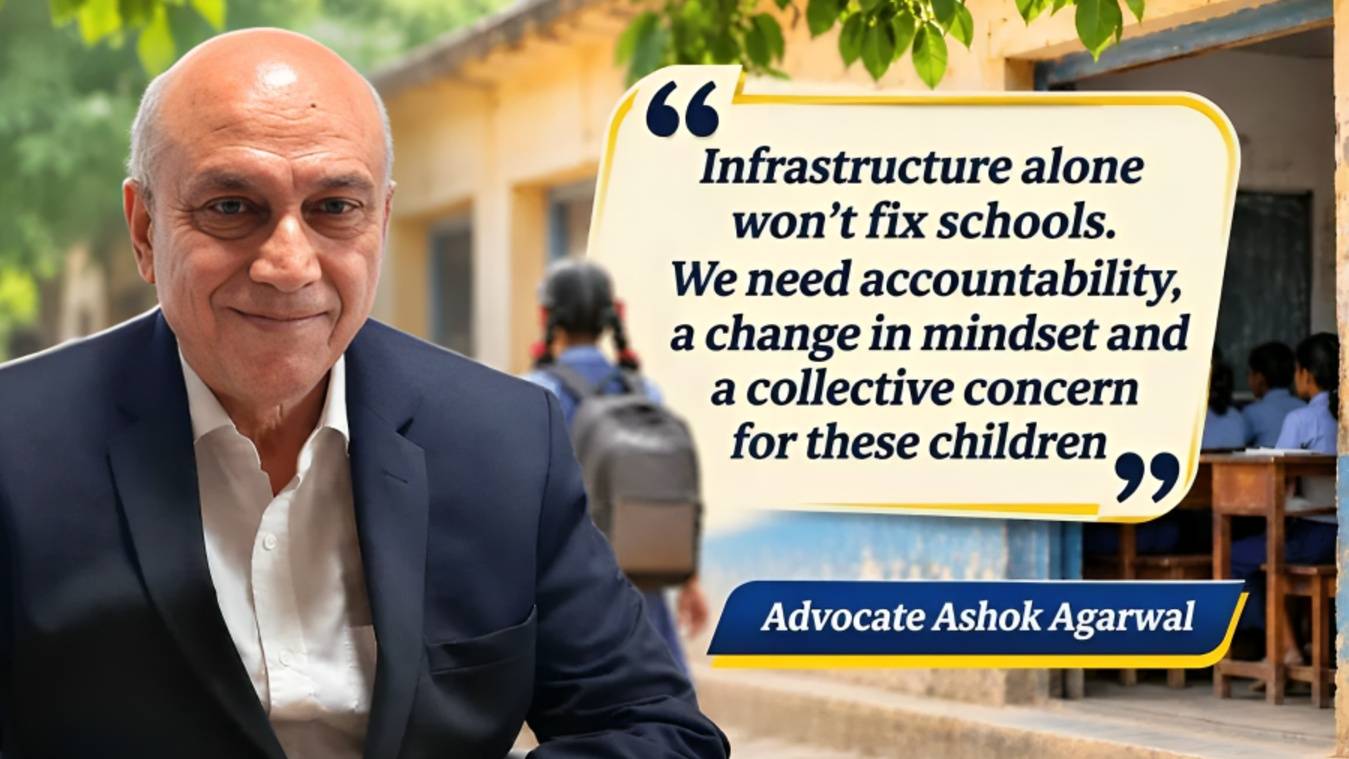
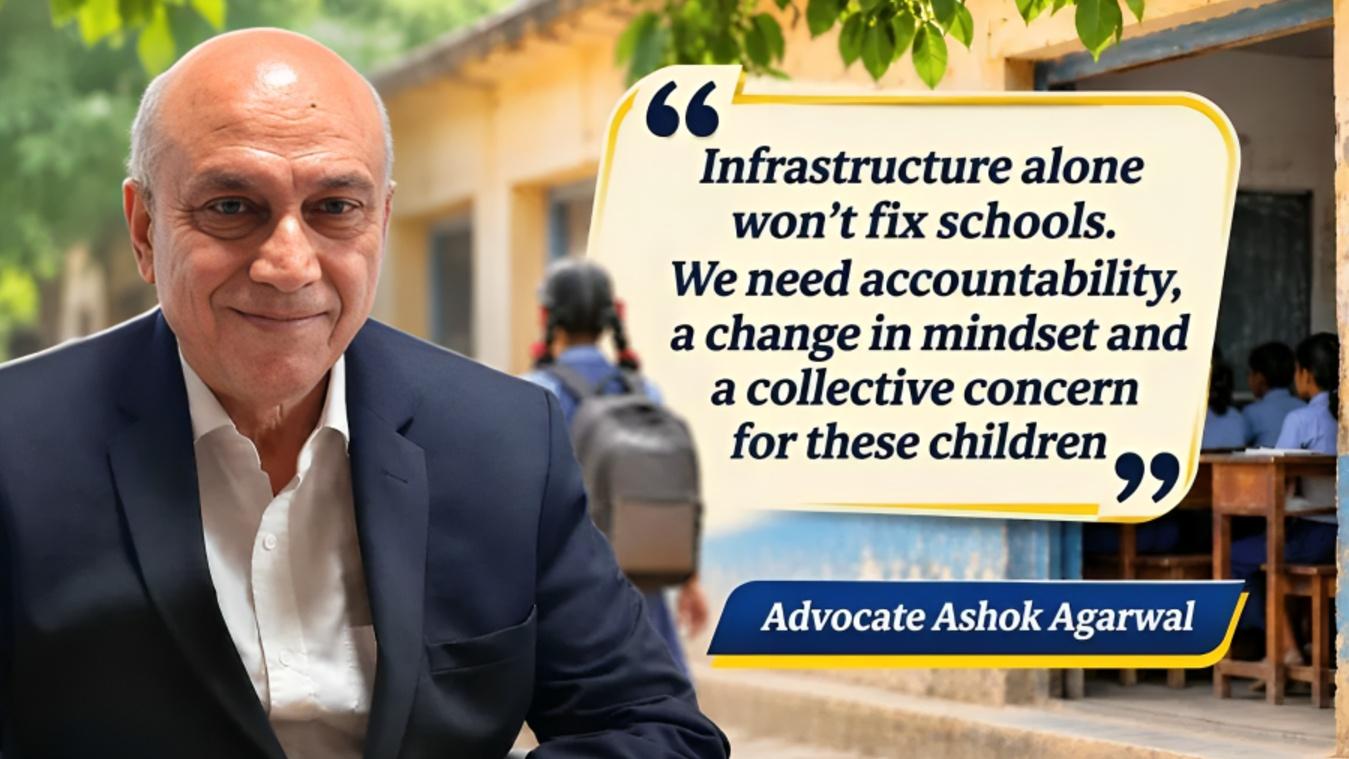
Advocate Ashok Agarwal has highlighted the challenges affecting government schools, arguing that infrastructure development alone cannot transform the education system. According to his observations, problems such as overcrowded classrooms, vacant teacher positions, inadequate classroom attention and poor school management continue to affect students' learning experiences.
His remarks bring attention to the difference between improving physical facilities and ensuring quality education. While buildings, classrooms, drinking water facilities and sanitation infrastructure are essential, students also need qualified teachers, proper guidance and a supportive learning environment.
Overcrowded Classrooms Affect Learning
One of the major challenges highlighted by Ashok Agarwal is overcrowding in classrooms. When too many students are placed in a single classroom, teachers may find it difficult to provide individual attention to every child.
Classroom overcrowding can affect student participation, interaction and understanding of lessons. Children who require additional academic support may not receive sufficient attention, particularly when teachers are responsible for managing large groups.
Smaller and manageable classroom sizes can help improve interaction between teachers and students. They also provide opportunities for teachers to identify learning difficulties and support children according to their individual needs.
Vacant Teacher Posts Remain a Concern
Teacher shortages are another important issue affecting government schools. Several schools face difficulties because of vacant teaching positions and an uneven distribution of available teachers.
When schools do not have enough teachers, the existing staff may be required to handle multiple classes or additional responsibilities. This can increase their workload and reduce the time available for effective classroom teaching.
The availability of qualified teachers is essential for maintaining educational standards. Recruitment, proper deployment and regular professional training are important measures for addressing teacher shortages.
Government schools also need effective monitoring systems to ensure that teaching activities take place regularly and students receive the education they are entitled to.
Concerns Over Students Being Asked to Clean School Premises
Another issue raised in the discussion concerns children being asked to sweep floors and perform cleaning activities within school premises.
Schools must maintain proper cleanliness and hygiene to provide students with a healthy learning environment. However, assigning cleaning responsibilities to children instead of ensuring adequate sanitation arrangements raises questions about student welfare and school administration.
Children attend schools primarily to learn and develop their academic abilities. Their time should be focused on education, participation in extracurricular activities and overall development.
School authorities must ensure that cleaning and maintenance activities are handled through appropriate arrangements without affecting students' educational opportunities.
Infrastructure Development Is Only One Part of Educational Reform
Over the years, infrastructure development has remained an important part of government education policies. New classrooms, improved school buildings, toilets, drinking water facilities, libraries and digital learning resources can make schools more accessible and comfortable for students.
However, the availability of these facilities does not automatically guarantee better learning outcomes.
A school may have modern classrooms and digital equipment, but students still require effective teaching, regular assessments and academic support. Without sufficient teachers and proper classroom management, infrastructure investments may not deliver the expected educational improvements.
This highlights the importance of combining infrastructure development with improvements in teaching standards and school administration.
Need for Greater Teacher Accountability
Teacher accountability is another important area that requires attention. Regular classroom teaching, student assessments, attendance monitoring and professional development can help improve educational standards.
Teachers also need adequate support from school management and education authorities. Providing training opportunities, reducing unnecessary administrative responsibilities and ensuring sufficient teaching resources can help them concentrate on classroom activities.
At the same time, school administration must regularly monitor teaching quality and address problems affecting students.
Focus on Students' Learning Outcomes
The ultimate objective of school education should be to ensure that every child develops essential knowledge and skills.
Reading ability, writing skills, mathematical understanding and critical thinking are important indicators of educational progress. Schools must identify learning gaps at an early stage and provide additional support to students who need it.
Parents, teachers, school management committees and education authorities also have important roles in improving learning outcomes.
Regular communication between these stakeholders can help identify problems and ensure that students receive the necessary academic support.
A Broader Approach Needed to Strengthen Government Schools
The concerns raised by advocate Ashok Agarwal highlight the need for a comprehensive approach to government school development.
Improving buildings and facilities is important, but educational reforms must also address teacher shortages, classroom overcrowding, school management, student welfare and teaching quality.
Government schools can provide meaningful educational opportunities when infrastructure investments are supported by effective administration and qualified teaching staff.
The broader challenge is to ensure that every child receives quality education in a safe and supportive environment. Addressing these fundamental issues will be essential for strengthening India's government school system and improving educational outcomes.