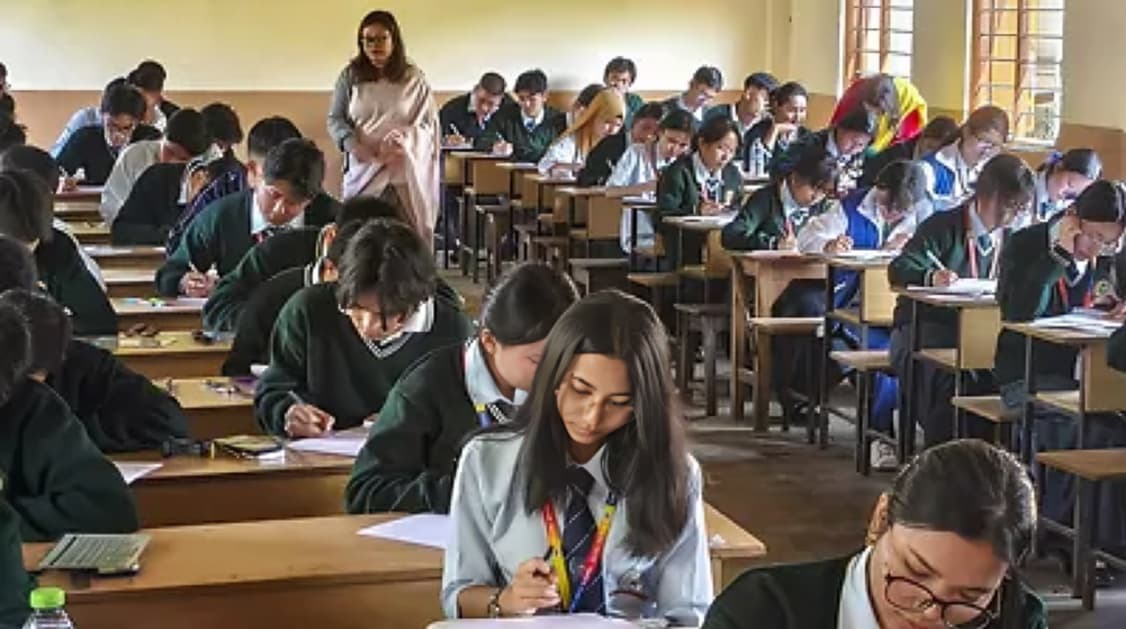
After several months of closure due to pandemic-related concerns, schools in Karnataka reopened for offline classes under strict adherence to COVID-19 safety measures. The decision to resume physical classes comes after a steady decline in COVID-19 cases and consultation with health officials and education experts.
Students from various districts returned to school with a mix of excitement and caution. Teachers and school staff welcomed them back with revised schedules, sanitised premises, and new protocols to ensure safety in the classrooms and campuses.
COVID-19 Safety Measures at Schools:
Educational institutions have taken several steps to make campuses safe:
- Mandatory Masks: All students, teachers, and staff are required to wear face masks throughout the school hours.
- Thermal Screening: Entry points are equipped with thermal scanners to check the body temperature of everyone entering the premises.
- Hand Hygiene: Hand sanitiser dispensers have been installed in classrooms, corridors, and entrances.
- Physical Distancing: Classrooms have been rearranged to ensure desks are spaced according to guidelines, and floor markings help manage student movement.
- Regular Cleaning: High-contact surfaces such as doorknobs, benches, and washrooms are being cleaned and sanitised multiple times a day.
Hybrid Learning Still Available:
To accommodate students who are unable to attend in-person classes, schools continue to offer online learning options. The Karnataka Education Department has encouraged flexibility to ensure no student is left behind due to health concerns.
Parents have been advised to assess their child’s health daily and avoid sending them to school if any symptoms of illness are observed. Attendance remains voluntary for now.
Government Monitoring and Response:
State Education Minister confirmed that district education officers have been instructed to carry out regular inspections to ensure that schools are following protocols without any lapses. A task force has also been set up to respond swiftly in case of any COVID-19 case detection within a school.
Vaccination drives for teaching and non-teaching staff were completed ahead of the reopening to further reduce risks.
Public and Parental Response:
The response from parents and the public has been cautiously supportive. Many parents expressed relief at the return of structured classroom learning, while also acknowledging concerns about health and safety. Teachers have noted that students are adapting well to the new norms and are cooperative in maintaining hygiene and discipline.
Conclusion:
The reopening of schools in Karnataka marks a hopeful step towards normalcy in the education sector. With strict protocols and continuous monitoring, the state aims to balance learning needs with public health. Continued cooperation from parents, students, and educators will be key in ensuring a safe and sustained reopening of educational institutions.