Mangaluru College Students Boycott Semester Exams Over Clash With Dasara Holidays
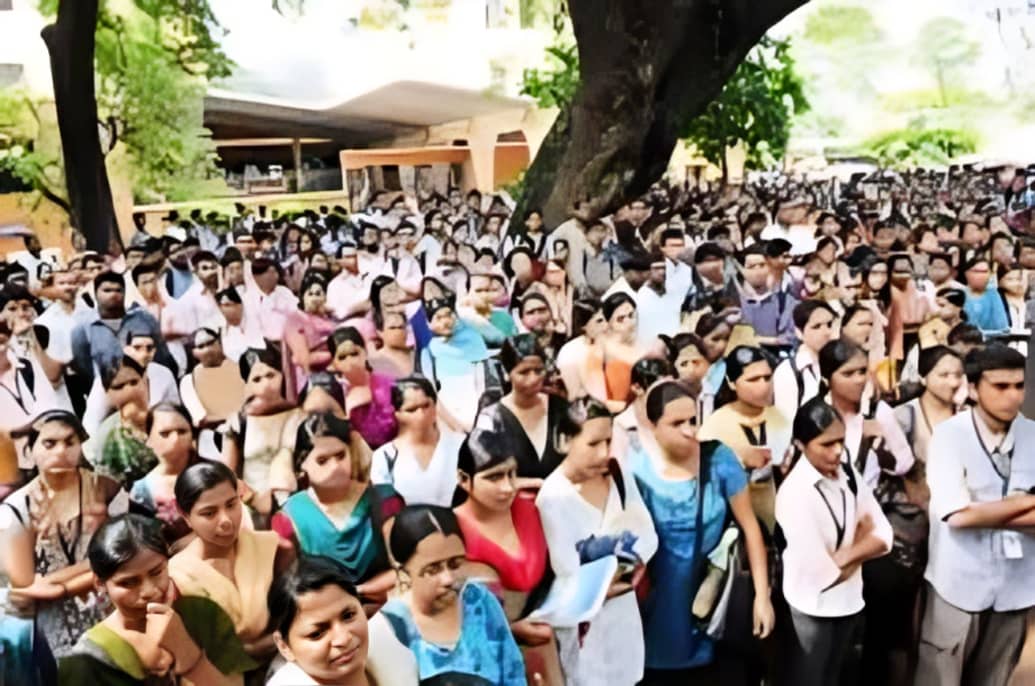
Students at St Agnes College in Mangaluru, Karnataka, staged a protest on October 12, 2026, and boycotted their semester examinations over the decision to conduct tests during the Dasara festival period. The students objected to the examination schedule, which runs from October 12 to October 28, and demanded that the college reconsider the dates to allow them to participate in traditional festivities.
The protest took place outside the college campus, where undergraduate students expressed concern that the examination timetable would prevent them from attending religious, cultural and family celebrations associated with Dasara. The Akhil Bharatiya Vidyarthi Parishad (ABVP) supported the students' protest.
The students also sought the intervention of the Dakshina Kannada Deputy Commissioner, asking the district administration to help resolve the dispute between the students and the college management.
Students Object to Examination Schedule
The main concern raised by the protesting students was the decision to hold semester examinations during an important festival period in coastal Karnataka. Dasara is celebrated across the state, and Mangaluru hosts prominent festivities that attract residents and visitors.
Students argued that the examination schedule would make it difficult for them to participate in traditional celebrations and cultural programmes. They maintained that the dates should be reviewed to take local festival arrangements and students' concerns into account.
According to reports, the students had requested the college administration to reconsider the examination dates before the protest. They alleged that their concerns had not received a satisfactory response, prompting them to boycott the examinations and demonstrate outside the campus.
The examinations were scheduled to begin on October 12 and continue through October 28. The duration of the examination period became a central issue for students who wanted the college to provide a break during the festival.
The students' demand was for the examination schedule to be reconsidered. However, any change to the dates would depend on the college administration's decision and the applicable academic requirements.
ABVP Supports the Protest
The Akhil Bharatiya Vidyarthi Parishad supported the students who opposed the examination schedule. The organisation joined the demand for the college administration to review the timetable and consider the difficulties raised by students.
The protest drew attention to the balance between academic schedules and local cultural events. Students in colleges often have to follow examination calendars established by their institutions, but disputes can arise when examinations overlap with festivals, public holidays or other significant events.
In this case, the protesters argued that the Dasara celebrations were an important part of local cultural life and that the examination timetable limited their ability to participate.
The agitation continued outside the college gates as students pressed for a response. Police personnel were present at the location and attempted to manage the situation. Media reports also described tensions involving protesters and student organisation representatives during the demonstration.
The protest highlighted the importance of communication between college administrations and students when academic schedules create concerns among a substantial section of the student community.
Students Seek Deputy Commissioner's Intervention
The protesting students and supporting representatives approached the Dakshina Kannada Deputy Commissioner, seeking administrative intervention in the dispute. Their request was aimed at encouraging the college to reconsider the examination dates.
The district administration's involvement was sought because the students believed the matter required attention beyond the college campus. They wanted their concerns about festival participation and the examination timetable to be considered before the examination period progressed further.
At the time of the reported protest, the central issue remained the scheduling of examinations during the Dasara celebrations. Students were seeking a revision of the timetable, while examinations continued for those who chose to sit for their papers.
A formal decision changing the examination schedule had not been confirmed in the reports available at the time of publication. Students awaiting further developments would need to rely on official announcements from the college or the relevant authorities for confirmation of any changes.
Examinations Continue for Students Who Attend
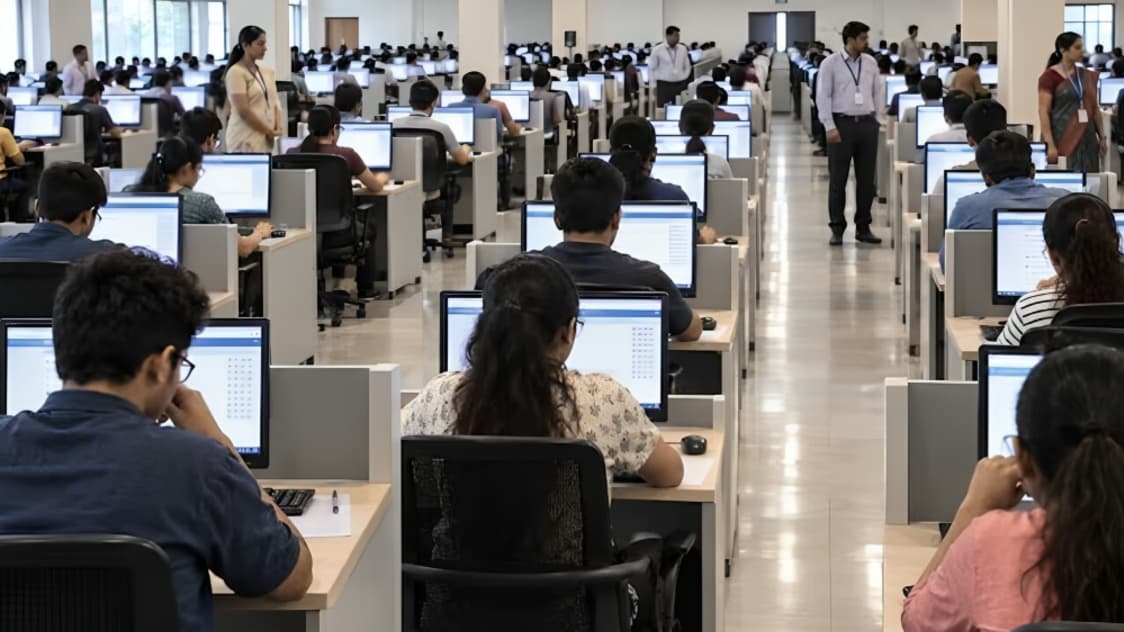
Although a section of students boycotted the examinations, reports said that the examinations continued for students who entered the campus and chose to take their papers.
The situation created uncertainty for students who participated in the protest, particularly over whether the college would revise the timetable and how their absence from the examinations would be treated.
Students who do not attend a scheduled examination may face academic consequences under their institution's rules. However, the specific arrangements for students who boycotted these examinations would depend on the college's regulations and any subsequent official decision.
The college administration's response will therefore be important in determining the next steps. Students will need clear information about whether the examinations will be rescheduled, whether alternative arrangements will be considered and what procedures apply to those who did not attend.
Until the college issues an official notice, students should not assume that the examinations have been postponed or that absences will automatically be excused.
Balancing Academic Requirements and Cultural Celebrations
The protest has brought renewed attention to the challenge of planning academic calendars around regional festivals. Colleges must organise examinations within their academic schedules, while students may also wish to take part in important cultural and religious occasions.
In places such as Mangaluru, where Dasara celebrations are a significant part of local tradition, examination dates can become a point of disagreement if they overlap with major festivities.
A clear process for communicating examination schedules, receiving student feedback and addressing concerns before examinations begin can help educational institutions reduce such disputes. Any revision, however, must also consider academic requirements, available examination dates and the need to treat students fairly.
The latest protest at St Agnes College demonstrates the importance of addressing student concerns through dialogue and transparent communication. A clear response from the college and the district administration could help reduce uncertainty for those affected by the dispute.
What Happens Next?
The immediate demand from the protesting students is for the examination schedule to be reconsidered because of its overlap with the Dasara festival period. The students have sought the Deputy Commissioner's intervention, while ABVP has supported their position.
The next development will depend on the college administration's response and any intervention by the district authorities. Students should follow official college communications for updates on examination dates, attendance requirements and any possible alternative arrangements.
The protest does not, by itself, mean that the examinations have been cancelled or postponed. At the time of reporting, examinations were continuing for students who chose to attend, while the protesters were seeking a resolution.
The dispute has placed the relationship between academic planning and local festival traditions at the centre of attention in Mangaluru. A timely and transparent decision could help students understand their academic position and allow the institution to address the concerns raised during the protest.