Mizoram has made history by becoming the first Indian state to achieve 100% literacy. This remarkable milestone is not only a testament to the state’s dedication to education but also a shining example of how consistent policy implementation, community participation, and cultural commitment to learning can transform a region’s future.
The success story of Mizoram’s literacy achievement lies in its grassroots efforts and community-driven education model. Over the years, the government of Mizoram, in collaboration with local NGOs, school teachers, and volunteers, has developed robust literacy campaigns tailored to the needs of the population. These initiatives were not limited to formal education systems but extended to adult education, night schools, and informal learning centres in rural and tribal areas.
One of the key programs that drove this success was the promotion of functional literacy among adults who missed formal schooling. Special attention was given to women and marginalized communities. Through sustained efforts, the literacy rate climbed steadily over the years, culminating in this 100% milestone.
The state’s high literacy level is also linked to its unique sociocultural values. Education is highly respected in Mizo society. Parents, regardless of economic status, strive to ensure their children attend school. Community elders and religious institutions, particularly churches, have played an active role in encouraging literacy. These social structures helped create an environment where education is not only a government initiative but a shared community mission.
Technological support and curriculum modernization have further enhanced learning outcomes. Mizoram integrated digital tools and regional language content into its education system, improving accessibility and engagement, especially in remote areas. The use of mother tongue in primary education ensured that students had a strong foundation in reading and writing.
The achievement has drawn national attention, with educational experts and policymakers recognizing Mizoram as a model state for literacy and inclusive education. Its strategies provide valuable insights into how regional diversity, when harnessed effectively, can lead to national progress.
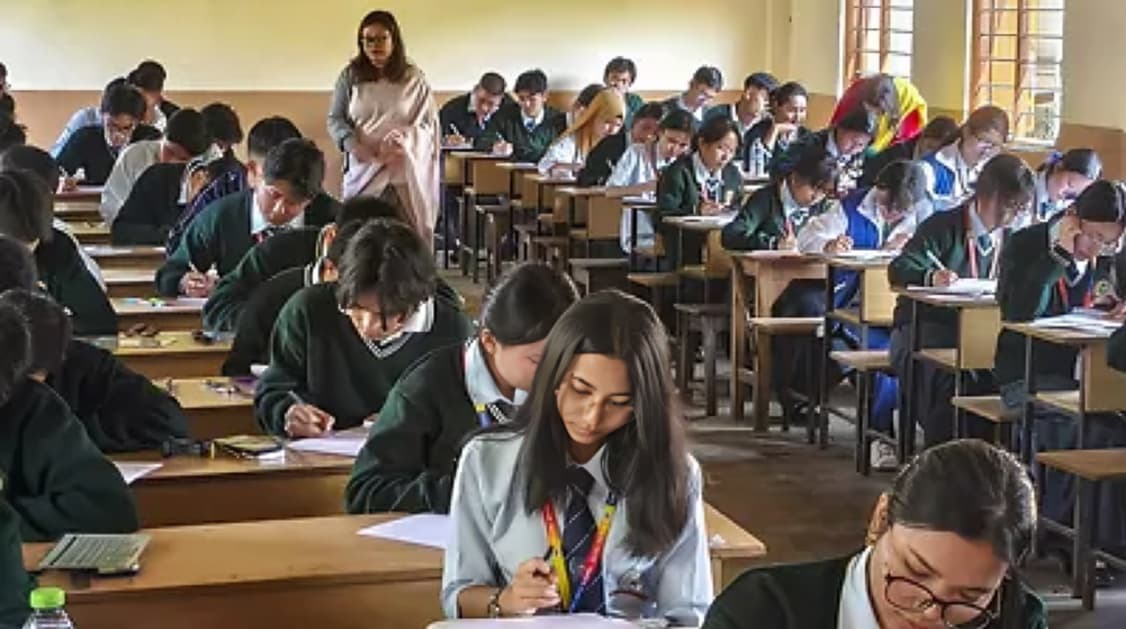
In addition to literacy, Mizoram has focused on quality education by improving school infrastructure, training teachers, and promoting girl child education. Dropout rates have been significantly reduced, and school attendance has remained consistently high over the past decade.
As the nation applauds Mizoram’s unprecedented accomplishment, the focus now shifts to ensuring that the state’s literate population also gains access to higher education and skill development opportunities. This next step will be crucial in converting literacy into long-term socio-economic development.
Mizoram’s journey stands as a powerful reminder that when government policy, social will, and community participation align, even the most ambitious goals—like universal literacy—can be achieved.