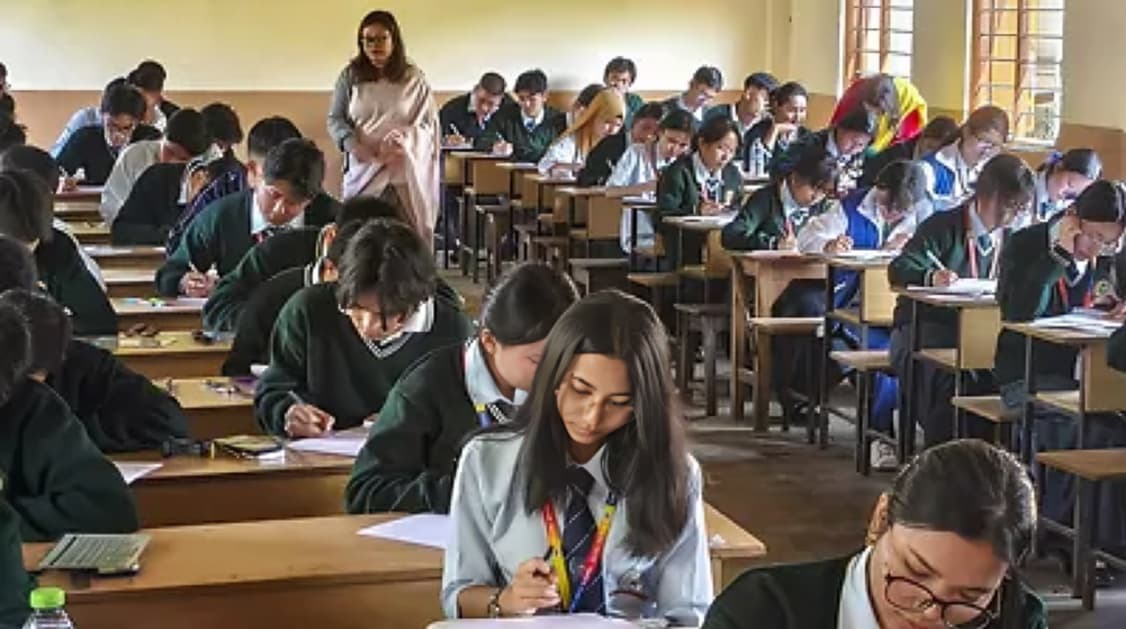
Multiple candidates appearing for the National Eligibility cum Entrance Test (NEET) 2025 in Tamil Nadu were reportedly denied entry at several examination centres due to violations of the official dress code. Incidents have surfaced from centres in Chennai, Madurai, Coimbatore, and other cities where students wearing metal accessories or attire with metallic buttons, including nose pins and shirts with decorative elements, were barred from entering the exam halls.
The National Testing Agency (NTA), which conducts the NEET exam for medical and dental undergraduate admissions across India, had issued a detailed dress code well in advance. However, confusion and inconsistent enforcement at various centres led to chaos, with students and parents protesting outside some locations.
According to eyewitness accounts and reports from local media, a few female candidates were denied access because they refused to remove nose pins, which they stated were worn for cultural or religious reasons. Others were reportedly asked to change clothing due to metal buttons on shirts or innerwear containing hooks or wiring. In some cases, students were left with little time to make alternate arrangements and missed the examination entirely.
Parents of the affected candidates expressed anger, stating that the guidelines, although issued, were either unclear or not uniformly communicated to students. “We followed the general instructions, but we were not told nose pins would be an issue,” said a parent outside an exam centre in Salem.
The NTA's NEET 2025 advisory clearly specified that students should wear light clothes without big buttons, badges, brooches, or metallic items, and should avoid jewellery and accessories. However, the interpretation and implementation of these rules appeared inconsistent. While some centres allowed students after basic checks, others enforced the rules strictly, even disallowing those who wore traditional garments.
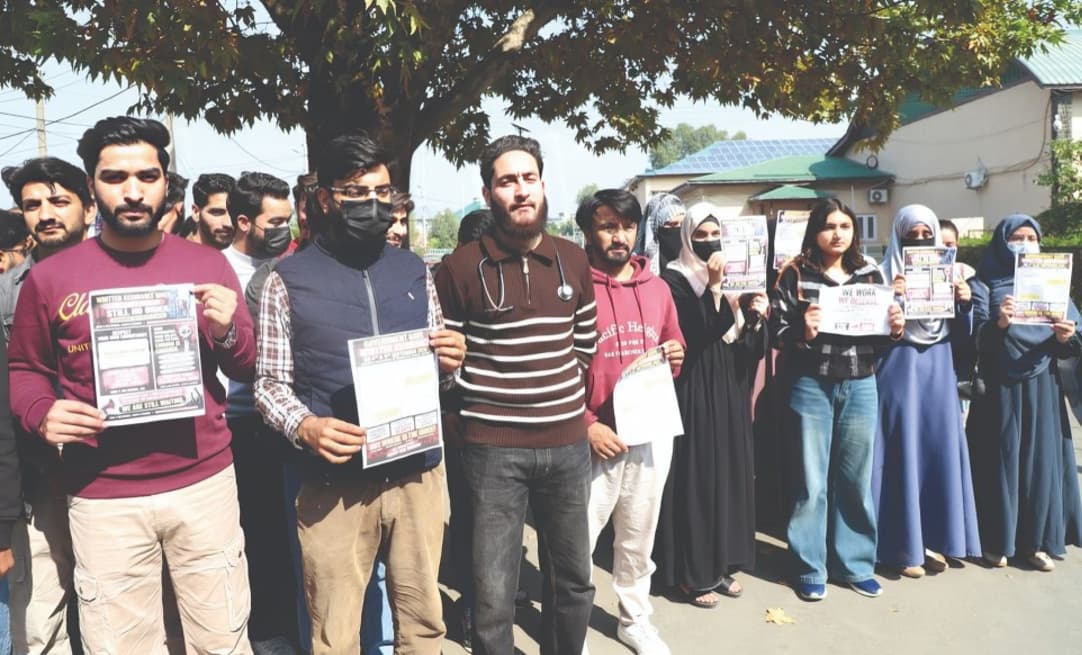
Student advocacy groups have criticized the situation, arguing that barring students from writing a national-level examination over minor dress code issues is unfair and undermines their months of preparation. Some also questioned the lack of empathy shown by invigilators and the absence of on-the-spot solutions such as providing alternative clothing or lockers for accessories.
Legal experts and education activists have called for a more sensitive approach to implementation of exam-day protocols. “Examinations like NEET are crucial career-defining moments. Authorities must balance security and fairness with dignity and practicality,” said a Chennai-based education rights lawyer.
The NTA has not yet issued an official statement regarding these incidents in Tamil Nadu. It is expected that the matter may be raised at the national level, possibly triggering a review of how dress codes are implemented at future exams.
Meanwhile, student unions and some political leaders have demanded that the NTA consider allowing affected students to reappear for the exam or conduct a special session.
As the NEET examination continues to be a high-stakes test for millions of students in India, the need for clarity, uniformity, and compassion in enforcement has once again come under public scrutiny.