The parliamentary panel tasked with reviewing educational trends in India has turned its attention to the increasing proliferation of coaching centres and the associated rise in student stress levels. Over the past decade, coaching institutes catering to competitive examinations have expanded significantly, reflecting the high demand for academic preparation in a competitive environment. While these centres play a role in helping students achieve academic goals, lawmakers and education experts have expressed concern about their impact on students’ mental health and overall development.
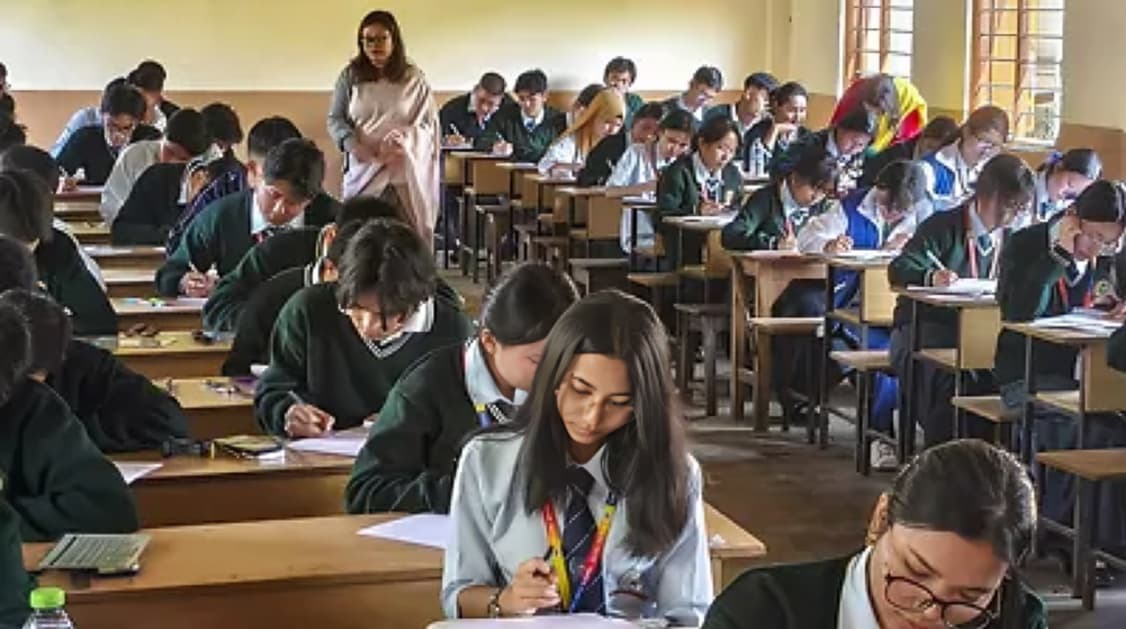
During recent discussions, the panel noted that students often spend long hours in coaching centres in addition to regular school classes. This extended academic workload can limit time for recreational activities, social interaction, and adequate rest, contributing to anxiety, fatigue, and stress. Members emphasized the importance of creating an education ecosystem that supports both academic achievement and student well-being.
The panel examined various approaches to address these challenges, including introducing regulatory frameworks for coaching centres. Guidelines could include limits on class hours, standardised curricula, teacher training requirements, and mandatory counselling support for students. These measures aim to ensure that coaching institutes provide structured learning without overwhelming students or compromising their physical and emotional health.
Several experts also suggested integrating life skills, stress management techniques, and mindfulness practices into coaching programmes. Providing resources for mental health support within or alongside coaching centres can help students cope with pressure and maintain a healthy study-life balance. The committee highlighted the need for collaborative efforts between schools, parents, and coaching institutes to create a supportive learning environment.
The parliamentary panel further discussed the role of government oversight in monitoring the quality of coaching centres. Accreditation mechanisms and periodic assessments could be implemented to maintain standards, prevent exploitation, and ensure that educational objectives align with students’ long-term development. Encouraging transparency in fee structures and teaching practices was also recommended to protect families from unfair practices.
In addition to regulating coaching centres, the panel explored alternative approaches to reduce stress, such as revising competitive exam patterns, promoting holistic education, and emphasising experiential learning in schools. Experts argued that addressing the root causes of student stress requires systemic change, rather than solely relying on interventions within coaching centres.
The review underscores the growing awareness among policymakers about the pressures faced by students in India’s competitive education system. By examining the operations of coaching institutes and their impact on learners, the parliamentary panel aims to strike a balance between academic excellence and mental health. Ensuring that students receive quality preparation without sacrificing well-being is central to this initiative.
In conclusion, the panel’s review highlights the need for a multi-pronged approach that combines regulation, counselling, parental guidance, and systemic educational reforms. Coaching centres can continue to play a role in academic support, but their operations must be aligned with the broader goal of fostering healthy, balanced, and capable students across India.