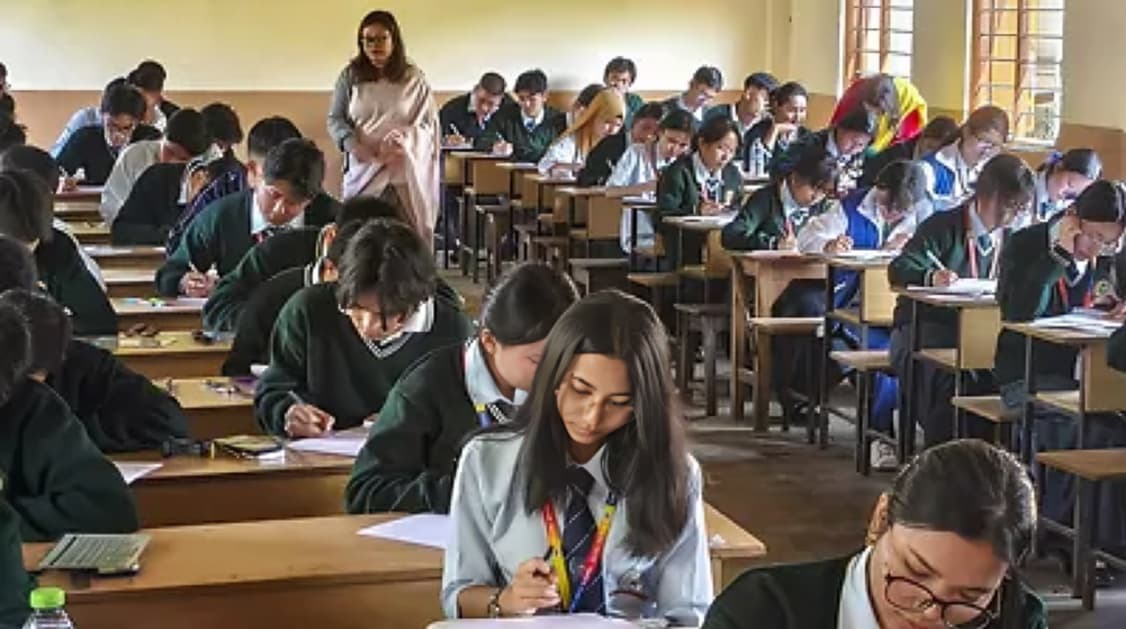

The Punjab School Education Board (PSEB) has unveiled a comprehensive Entrepreneurship curriculum for Class 12 students, marking a significant step toward fostering a culture of self-employment and innovation in the state. The initiative is designed to provide students with practical knowledge and essential skills needed to start and manage businesses successfully, helping them transition from job seekers to job creators.
According to PSEB officials, the curriculum emphasizes real-world applicability, covering topics such as business planning, financial management, marketing strategies, innovation, and leadership. Students will learn how to identify opportunities, assess risks, manage resources, and develop sustainable business models. By integrating entrepreneurship education into the academic framework, PSEB aims to equip students with the confidence and competence to pursue independent ventures after completing school.
The move is part of a broader national and global trend in education, where skill development and employability are increasingly prioritized. By introducing entrepreneurship at the school level, Punjab is encouraging young minds to think creatively, make strategic decisions, and contribute meaningfully to the economy. Experts suggest that such early exposure to business concepts can inspire students to explore startups, family businesses, and community enterprises.
To ensure effective implementation, PSEB is conducting teacher training programs focused on interactive pedagogy, case studies, and project-based learning. These sessions are designed to help educators guide students in practical exercises, including market research, financial planning, and business presentations. Students will also be encouraged to work on mini-business projects, allowing them to experience the challenges and rewards of entrepreneurship firsthand.
The curriculum also integrates digital tools and resources to help students explore modern business practices. Topics such as e-commerce, digital marketing, and online financial management are included, reflecting the growing role of technology in entrepreneurship. Schools are expected to collaborate with local businesses, entrepreneurs, and industry experts to provide mentorship and practical insights, further enhancing the learning experience.
Education authorities believe that the new curriculum will have long-term socio-economic benefits for the state. Encouraging entrepreneurship among youth can reduce unemployment, promote innovation, and strengthen local economies. Additionally, students who develop entrepreneurial skills early are likely to demonstrate problem-solving abilities, leadership qualities, and financial literacy, which are valuable across multiple career paths.
The PSEB initiative has received positive feedback from educators, parents, and policymakers. Many view it as a proactive step toward aligning education with India’s growing startup ecosystem and national emphasis on self-reliance. By empowering students to think beyond conventional career paths, the curriculum aims to create a generation of innovators capable of contributing to both local and global markets.
In conclusion, Punjab’s launch of a Class 12 Entrepreneurship curriculum is a forward-looking effort to nurture entrepreneurial thinking among students. By providing practical skills, mentorship, and industry exposure, PSEB hopes to inspire young individuals to pursue business opportunities, create jobs, and drive economic growth. This initiative represents a model that other states may adopt to cultivate innovation and self-employment in school education.