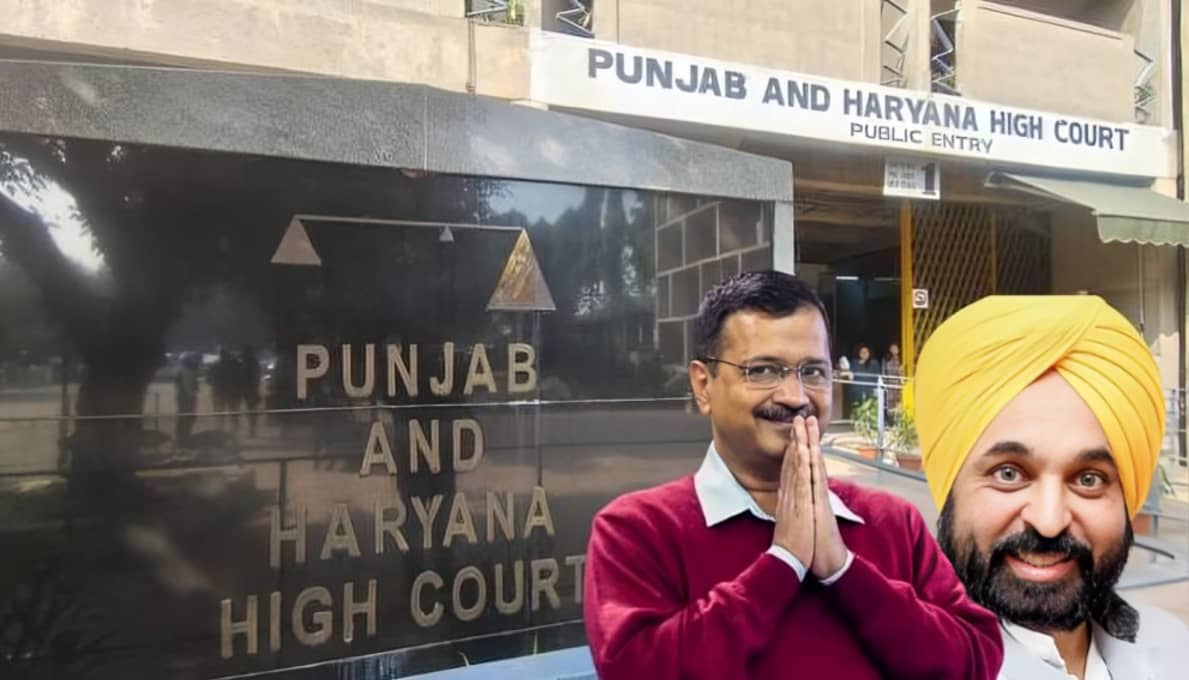
The Punjab and Haryana High Court has continued its intervention in the recruitment process conducted under the Punjab State Rural Livelihoods Mission after concerns were raised about the manner in which marks were awarded to candidates. The case relates to recruitment for 41 Block Programme Manager posts and 44 Cluster Coordinator posts.
The court had earlier ordered a detailed scrutiny of the recruitment records after petitions were filed challenging aspects of the selection process. A committee appointed under the supervision of the court examined the application forms and other relevant records. Following the committee's report, the court noted prima facie anomalies and ambiguities in the way marks had been awarded under different categories.
The court's observations are preliminary and should not be treated as a final finding that the recruitment process was illegal or that any individual committed wrongdoing. The selection process remains subject to further judicial examination.
Background of the PSRLM Recruitment
The Punjab State Rural Livelihoods Mission is associated with rural livelihood and development programmes in Punjab. Recruitment under the mission is intended to fill various positions required for implementing and managing these programmes.
The recruitment process for the posts now under scrutiny involved written examination and other components of evaluation. Candidates who participated in the process subsequently raised concerns regarding transparency and the manner in which marks were calculated and awarded.
Among the concerns reported in the proceedings was the absence of a consolidated merit chart clearly showing individual marks obtained by candidates under different components of the selection process. Questions were also raised regarding how marks relating to qualifications, experience and interviews were taken into account.
The matter eventually reached the Punjab and Haryana High Court, which ordered a closer examination of the recruitment records.
Court Ordered Scrutiny
The High Court ordered an independent scrutiny of the recruitment material after finding prima facie material that required examination. The court also took custody of the original recruitment records, according to reporting by The Tribune.
A scrutiny committee headed by advocate Vishal Sharma was subsequently constituted to examine the application forms and records connected with the selection process.
The committee examined the relevant documents and submitted its findings to the court in a sealed cover. After considering the report, the court observed that there appeared to be anomalies and ambiguities in the manner in which marks had been awarded under different heads.
Based on these observations, the court stayed further proceedings in the selection process.
The stay means that the recruitment process cannot proceed in the manner originally planned until the court issues further directions. It does not by itself cancel the recruitment or establish that every selection made under the process was invalid.
Why the Marks Are Important
The selection process involved multiple components, making the calculation and allocation of marks important for determining the final merit position of candidates.
When marks are awarded for written examination performance, qualifications, experience or interviews, the authorities are expected to apply the notified criteria consistently to all candidates.
Any unexplained variation in the application of those criteria can potentially affect the ranking of candidates. This is one reason courts may require recruitment records to be examined when candidates raise concerns about the fairness or transparency of a selection process.
In the PSRLM case, the court's preliminary observations relate specifically to alleged anomalies and ambiguities in the award of marks. The detailed findings and any final conclusions will depend on the continuing judicial proceedings.
Concerns Raised by Candidates
Candidates challenging the recruitment process have raised questions about transparency and the publication of marks. The concerns reportedly included the absence of a consolidated merit list containing the marks secured by individual candidates across different stages of evaluation.
Such information can be important in public recruitment because candidates need to understand how their final ranking was determined.
However, whether the recruitment authorities violated the applicable rules or selection criteria remains a matter for the court to determine.
The judicial scrutiny is therefore focused on the records and the applicable recruitment framework rather than simply on the claims made by individual candidates.
Impact on the Recruitment Process
The continuation of the stay means that candidates who participated in the PSRLM selection process may have to wait for further clarity before the recruitment can move forward.
The 41 Block Programme Manager and 44 Cluster Coordinator positions together account for 85 posts. The candidates selected for these positions will not have final certainty regarding the recruitment process until the court proceedings progress.
For candidates who were expecting appointments, the delay could affect joining schedules and other employment plans. At the same time, judicial scrutiny is intended to ensure that concerns about the selection process are properly examined before the recruitment proceeds.
The authorities involved in the recruitment will have an opportunity to respond to the issues raised in the proceedings and provide relevant records or explanations to the court.
Court's Preliminary Observations
The High Court's use of terms such as prima facie anomalies and ambiguities is significant from a legal reporting perspective. Such observations indicate that the court has identified issues requiring examination, but they do not amount to a final determination of misconduct or illegality.
The final outcome could depend on the court's examination of the recruitment records, the applicable rules, the committee's findings and the explanations provided by the concerned authorities.
Therefore, the recruitment should not be described as cancelled unless the court or the competent authority subsequently issues such an order.
What Happens Next
The next stage will depend on further hearings before the Punjab and Haryana High Court. The court may examine the scrutiny committee's findings in greater detail and consider responses from the state authorities and other respondents.
The court could issue further directions concerning the selection process, including possible corrections or additional scrutiny if required. The final decision will determine whether and how the recruitment can proceed.
Candidates affected by the proceedings should follow official court orders and communications from the concerned recruitment authorities for updates. Information circulating through social media should be verified against official sources before candidates make decisions based on it.
The PSRLM recruitment case highlights the importance of transparency in government recruitment, particularly when multiple components are used to determine a candidate's final merit position. Clear documentation, consistent application of selection criteria and proper disclosure of marks can help reduce disputes and provide candidates with greater confidence in the process.
For now, the key development is that the High Court has continued its stay while the issues surrounding the recruitment process remain under judicial consideration. The scrutiny committee has already examined the relevant records, and the court has noted prima facie anomalies and ambiguities in the awarding of marks.
The court's observations should be understood as preliminary. A final conclusion regarding the validity of the recruitment process will depend on subsequent hearings and orders.
Candidates awaiting appointments to the 85 PSRLM posts should therefore wait for further directions from the Punjab and Haryana High Court and the concerned authorities. Until then, the recruitment process remains subject to the court's stay and ongoing judicial review.