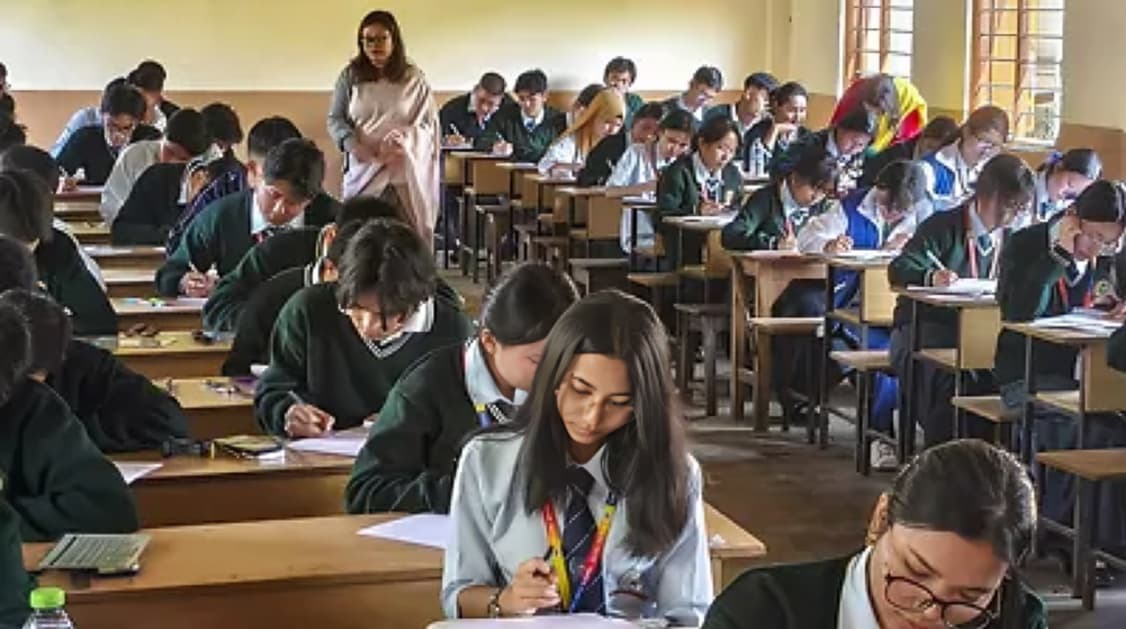
After several days of uncertainty due to rising tensions between Indian and Pakistani forces, schools located near the Attari border in Punjab have reopened. The decision to resume classes comes as cross-border hostilities show signs of de-escalation, restoring a sense of normalcy to the region.
Authorities had ordered the temporary closure of schools near the International Border as a precautionary measure amid reported exchanges of fire and increased military activity. The safety of students and educational staff was the primary concern behind the move. Villages in close proximity to the border, including those in Amritsar district, were put on high alert, with schools instructed to suspend operations until further notice.
Following detailed security assessments and consultations with defense officials, the local administration gave clearance to reopen the institutions. Adequate security measures, including patrols and emergency protocols, have been put in place to ensure the safety of students and school staff. Police and Border Security Force (BSF) personnel continue to monitor the area closely.
Speaking to local media, education department officials stated that attendance on the first day of reopening was encouraging, though slightly lower than usual. Many parents, while relieved by the reopening, remain cautious and are closely watching the security situation. Teachers and school management teams have been asked to remain alert and follow all safety advisories issued by district authorities.
The temporary disruption had raised concerns among educators and parents about the continuity of education, especially for students preparing for board exams. Some schools attempted to maintain academic progress through online classes and worksheets during the closure. However, connectivity and resource issues in rural areas limited the effectiveness of these measures.
Community leaders and parents have welcomed the reopening of schools, emphasizing that education should not suffer due to regional tensions. They also called on both national and local governments to develop long-term safety plans for educational institutions in sensitive border areas. These include building safer school structures, training staff in emergency protocols, and improving communication between authorities and school administrations.
Officials noted that while the situation has improved, the region remains sensitive, and any future security developments will be closely monitored. Plans are in place for quick evacuations and re-closures should the need arise again.
The reopening of schools is seen as a positive step towards restoring daily life in the affected areas. It also reflects the efforts of the administration to balance educational priorities with the safety of residents in border villages. As students return to their classrooms, the hope remains that peace and stability will prevail, allowing children in border areas to learn and grow without fear or disruption.